How to set up next year's cultural calendar in one sitting
Six dates, twenty minutes, one sitting before you break up in July — and next year's cultural provision is settled. Here's the planning rhythm that gets you the dates and formats you want.
A school with its cultural year already mapped out gets first pick of the dates, the format it actually wants, and time to build each session into the curriculum around it. That is twenty minutes of work in July. Cultural dates land in the busiest weeks of the term, which is the only reason they ever feel like a scramble — settle them a term ahead and they arrive as the highlights they should be.
Work backwards from the six fixed points
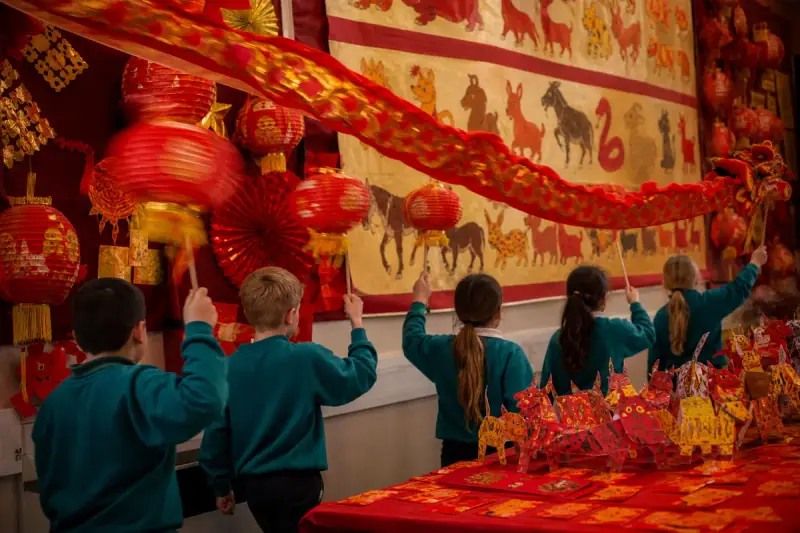
The UK school year has six cultural moments that recur reliably: Black History Month in October, Diwali in late October or November, Christmas in December, Chinese New Year in late January or February, Holi in February or March, and World Day for Cultural Diversity on 21 May. Two of those — Diwali and Chinese New Year — move by several weeks each year because they follow lunar calendars, so they are the two most worth diarising early.
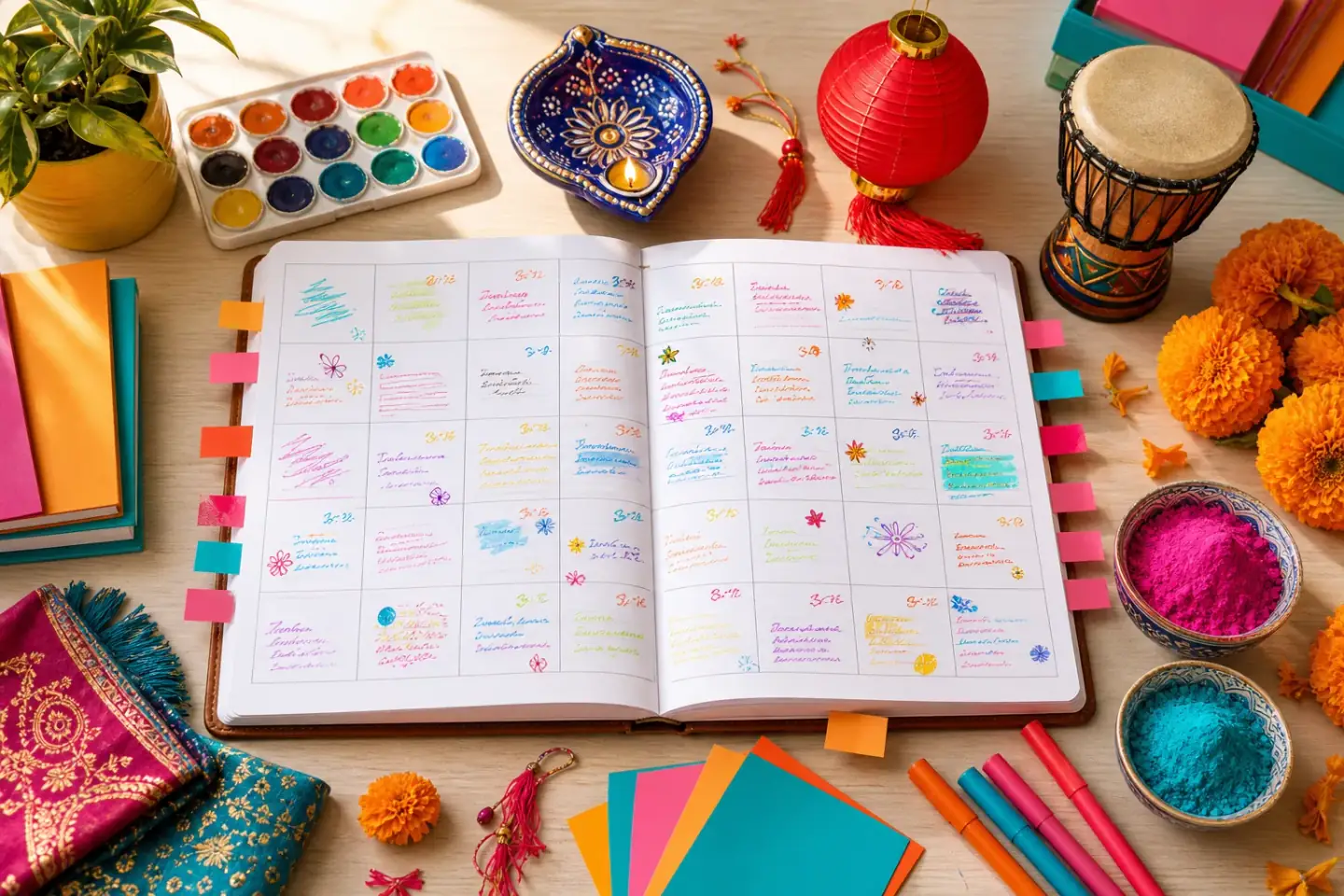
Put all six into next year's calendar in a single sitting in July, before you break up. It takes twenty minutes and it's the single highest-leverage thing you can do for cultural provision.
Decide the format before you decide the date
A whole-school assembly and a set of year-group classroom sessions are very different asks on your timetable. Assemblies are quick to schedule and reach everyone at once, which is why they suit the dates you want firmly acknowledged. Classroom sessions go a good deal further, and the half-day of timetable space they need is straightforward to find when the date is in the calendar early.
- Assembly only: ideal for the dates you want marked well on a busy timetable.
- Assembly plus two classroom sessions: the format most schools settle on, and the best balance of reach and depth.
- Full day, all year groups: the one to choose for your flagship date, usually Black History Month or World Day for Cultural Diversity.
Book the busy dates first
October is the busiest month in the sector by a wide margin, and the last two weeks before Chinese New Year fill up almost as fast. Providers aren't holding back capacity — there are only so many school days in the window. So if Black History Month matters to your school, book it before you break up in July and you get the date and the format you had in mind.
The schools that get the dates and formats they want are, almost without exception, the ones that booked before the summer holidays.
Sort the paperwork once
Ask any external provider for their DBS certificates, public liability insurance and a generic risk assessment at the point of enquiry rather than the week before. Get them into your central record once, and every subsequent booking with that provider becomes an email rather than a process. A provider who has all three ready to send is telling you something useful before you've committed a date.
Give the follow-up somewhere to land
A session pays off twice when there is somewhere for it to land afterwards. Before you book, decide which curriculum slot picks the thread back up — a History unit, a PSHE block, a piece of extended writing, a display. It takes one line in the planning document and it roughly doubles what pupils retain. Curriculum links and follow-up resources come with every booking, so that line is quick to write, and once the six dates are in the diary the rest of the year looks after itself.