
21 May · Cultural Diversity
Indigenous Australia in VR
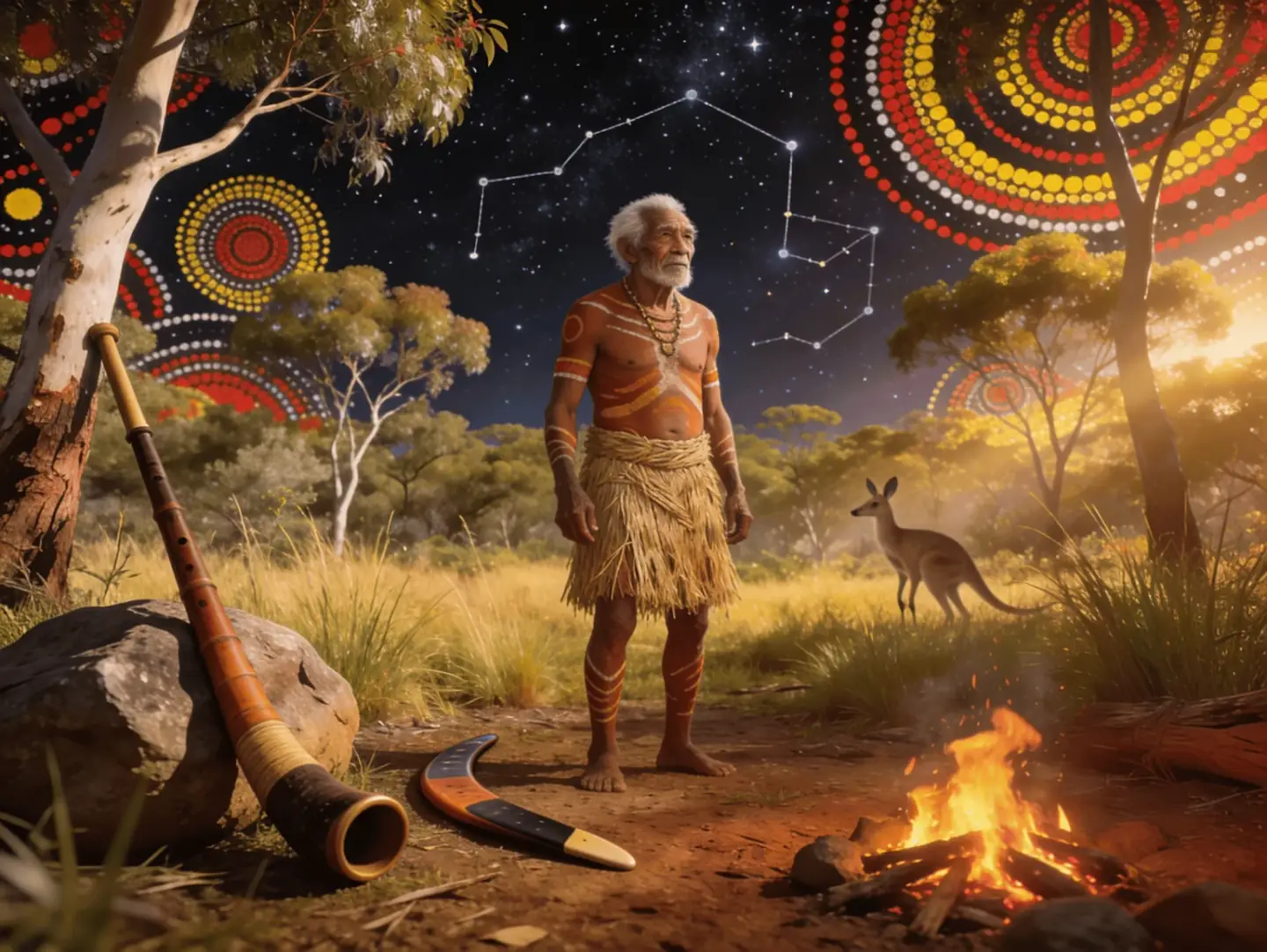
Real dances filmed in Far North Queensland, Australia.
- Key stages
- KS2
- Session length
- 60 minutes per class
- Group size
- A whole class at once — one headset per pupil, seated
- Formats
- Single class, a year group, or a full day of consecutive classes
How the session runs
Before we begin
How the headsets work
Before the session starts, we show the children how to use the virtual reality headsets. For everyone's safety, all students must stay seated throughout the experience.
Acknowledgement of Country
How a gathering opens in Australia
The session starts the way a meeting in Australia would. The facilitator explains that if the class were there, they would be expected to acknowledge the traditional custodians of the land they were meeting on, and pay respects to Elders both past and present, extending that respect to any Aboriginal or Torres Strait Islander people present. Pupils hear it said properly rather than described, which is the point.
Background
One of the oldest surviving cultures in the world
Before any headset goes on, the class gets the facts and the words: what the Indigenous Australian peoples are called, that Aboriginal peoples were there long before Europeans arrived in 1788, and the estimates of how long — between sixty-one and a hundred and twenty-five thousand years, alongside the belief of many Aboriginal peoples that they have always been there.
Ways of life
Hunting, gathering, tools and weapons
This part is a conversation, not a lecture. In many Mobs and Indigenous nations men and women had different roles, and pupils are asked to work out what each might have involved. Between them a class arrives at the gathered foods — nuts, seeds, witchetty grubs, reptiles, berries, yabbies, honey, shellfish — and at what was hunted and built.
The Dreaming
A Dreaming story in virtual reality
The facilitator is careful with this before the headsets go on: the Dreaming is a collection of spiritual stories that are true, carrying deep and meaningful information about law, family relationships, the land and creation. They are not myths, not legends and not fairy tales, and they are not set in any particular time.
Dance
Real dances, filmed in Far North Queensland
Music and dance are a large part of Indigenous nations, traditional and contemporary alike, and most pupils recognise the buzz of the didgeridoo and the beat of clapping sticks before they are told.
Games
Hunting and gathering, and the boomerang
The last part of the session is played rather than watched. The class plays the hunting and gathering game, with the rules and instructions explained carefully first, and a group who take to it quickly can go on to the boomerang game as well.
Conclusion
What the class remembers
Headsets off, and pupils recount what they can: the bush tucka items they found, their favourite part of the Dreaming story animation, the dance that stayed with them. It is a straightforward recall exercise and it tells a teacher immediately what has landed.
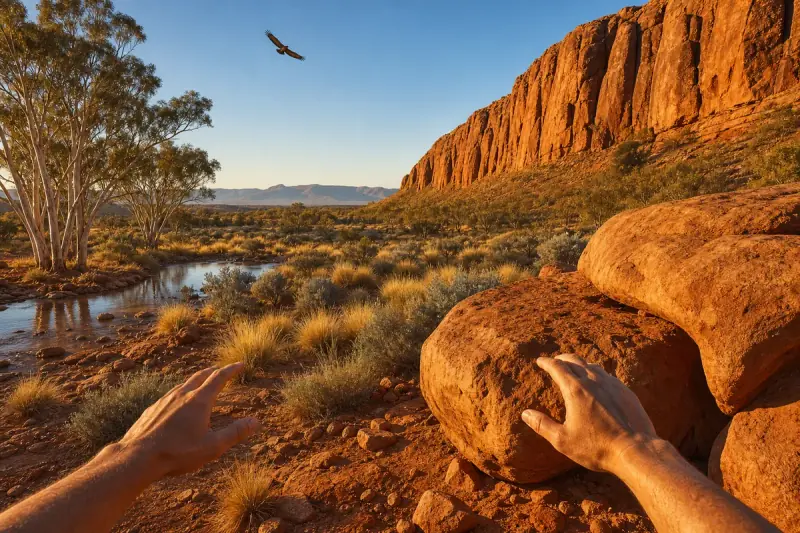
Pupils are not watching a reconstruction of a culture, they are watching the culture.
What pupils will learn
- That Australia's Indigenous culture is one of the oldest surviving cultures in the world
- How an Acknowledgement of Country is made, and why it names both traditional custodians and Elders past and present
- That Aboriginal peoples were in Australia long before Europeans arrived in 1788, and what researchers estimate about how long
- That many Aboriginal peoples believe they have always been in Australia, since the beginning of the Dreaming
- That there were between five and six hundred different Mobs at the time of European arrival, around four hundred still represented today, with real differences in ritual, belief, language and way of life
- The names used by Mobs in different regions of Australia, and that no one of them speaks for all
- The roles men and women held in many Mobs, what was gathered and what was hunted, and the bush tucka a class can name by the end
- What tools and weapons were made from, and what they were — spears, shields, boomerangs, knives, clubs and woomeras
- That the Dreaming is a collection of true spiritual stories about law, family, land and creation — not myths, legends or fairy tales
- That music and dance carry themes from nature and the Dreaming, are used mostly for ceremony, and are sung in many different languages
Curriculum links
KS2
- Geography, KS2
- Human and physical geography: locate Australia and its regions, and study how people use, care for and are shaped by the land they live on.
- RE (locally agreed syllabus)
- Beliefs and worldviews beyond the major world religions: the Dreaming as a body of true spiritual stories carrying law, family relationships, land and creation.
- PSHE
- Respect for the identities and cultures of others; recognising the communities represented in our own school, and how a gathering acknowledges whose land it sits on.
- Music and Dance
- Listen to and describe music from another culture — the didgeridoo and clapping sticks — and watch structured traditional dance performed by the people whose dance it is.
What we bring
- A charged headset for every pupil, so a whole class takes part together with nobody left waiting for a turn
- A DBS-checked facilitator who runs the whole session from a master device, opens with the Acknowledgement of Country and teaches the background around the films
- The Dreaming story animation, the filmed dances from Far North Queensland, and both games
- Set-up, cleaning the headsets between classes, and packing the whole system away afterwards
What we need from you
- A hall or cleared classroom where the whole class can sit spaced out, each pupil in front of their own headset and clear of walls and furniture
- Forty minutes before the workshop start time, so the facilitator can park, sign in and set the headsets out
- A power socket near a table where the kit can be laid out
- A member of teaching staff with the class from start to finish
- A list of pupils who wear glasses if you have one — glasses can usually stay on under the headset
When to book
21 May
World Day for Cultural Diversity for Dialogue and Development is a fixed date: 21 May every year.
Reviews for our workshop team
What schools say about our Cultural Diversity workshops
“Fantastic workshops for primary school children - the facilitators Emma for African drumming and Naomi for dance workshops were friendly, skilled and provided a very enjoyable experience for the children. Thank you!”
Aleksandra Dass “We have had a number of experiences from the Education Group and are always impressed by the quality of the workshops. We return to them time after time because we know that the planning, content and age-appropriateness of their sessions are absolutely right for the children.”
Kate Baguley “Our infant school aged pupils enjoyed the Maypole experience and were amazed to see the maypole in the middle of their playground. The teacher was fantastic with our young children and we all managed to come away from our sessions feeling we had learnt something rather wonderful!”
St Peter's “Highly recommend the African mask workshop! It's one of the highlights of the Year 5 calendar. Well worth every penny”
Joanne Netto “What a great experience for the children! Ivan was amazing at keeping their interest and making the drumming session as active and exciting as possible.”
Demelza Jones “A great workshop. Fantastic resources and Chris was great with the children. They were engaged throughout and talked about it for ages afterwards. This is the third time we have used them and they never disappoint!”
Julie Gill
Questions schools ask
Does the session really open with an Acknowledgement of Country?
It does, and the facilitator explains why first: in Australia a gathering is expected to acknowledge the traditional custodians of the land it sits on and pay respects to Elders both past and present. Pupils hear it said properly rather than described, which is what makes the idea stick.
Is the Dreaming taught as a myth or a legend?
Neither, and the facilitator is explicit about it before the animation plays. The Dreaming is a collection of spiritual stories that are true, carrying deep information about law, family relationships, the land and creation, and they are not set in any particular time. Calling them myths or fairy tales would be teaching the wrong thing.
Whose dances do pupils watch?
Real dances from Far North Queensland, performed by the people whose dances they are and filmed for the headset. The class watches two or three depending on time, and hears first why traditional dance is used mostly for ceremony and sacred ritual, that men and women often have separate dances, and that the songs are sung in the languages of many different Mobs.
What are the games?
The session finishes with a hunting and gathering game, with the rules explained carefully first. A class that takes to it quickly can go on to the boomerang game as well — the facilitator decides on the day based on how the group is doing and how much time is left.
How many pupils take part at once?
The whole class, at the same time. There is one headset for every pupil and they sit down in front of them together, so nobody waits for a turn. Pupils stay seated throughout, and the facilitator runs everything from a master device so the class hears one narration together.
Can a pupil take part without a headset?
Yes, and that is offered to everyone at the start. The background, the discussion after the animation and the closing recall are all done with headsets off, so a pupil who would rather not wear one is still part of most of the session.
The other Cultural Diversity sessions
All of Cultural Diversity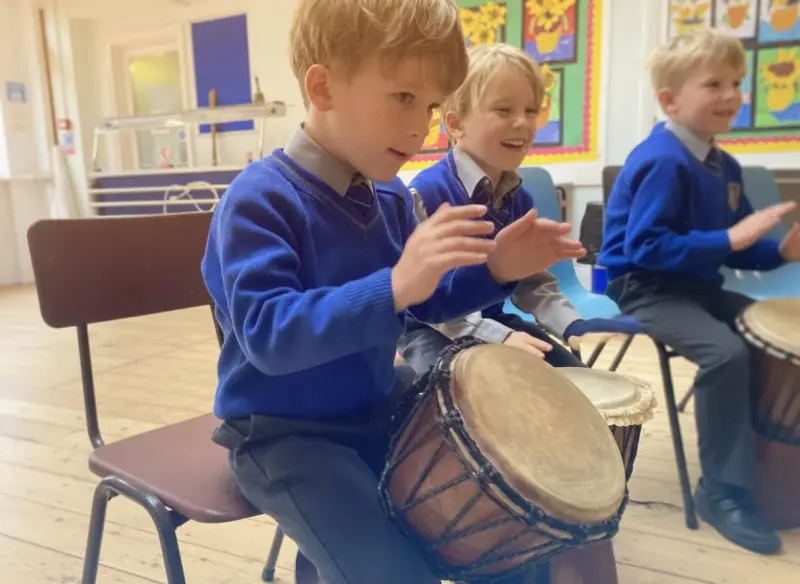 45–60 minutes per classAfrican DrummingThirty pupils, thirty drums, one rhythm.See the session
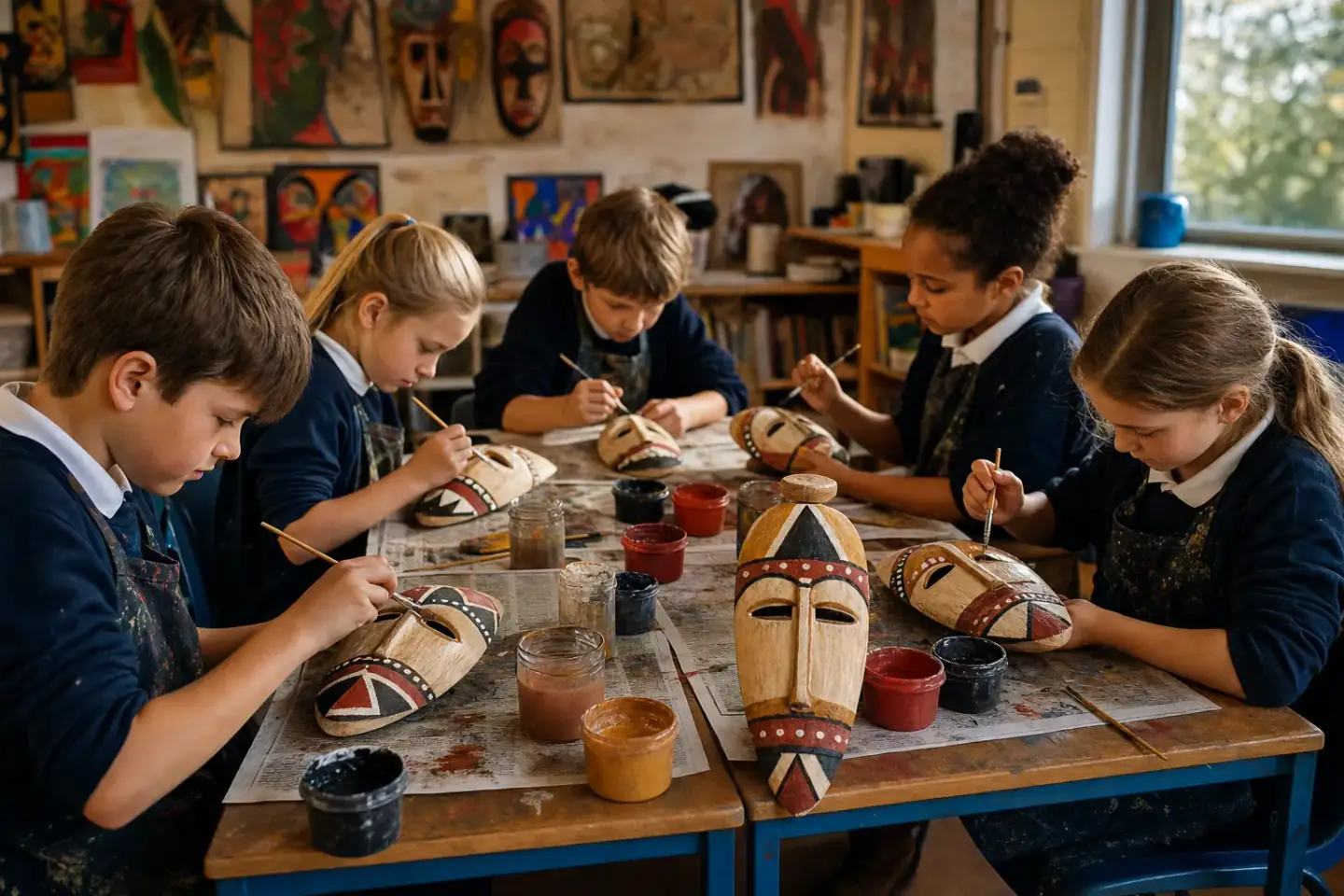 60–90 minutes per classAfrican Mask PaintingCreate African masks with intricate geometric designs.See the session
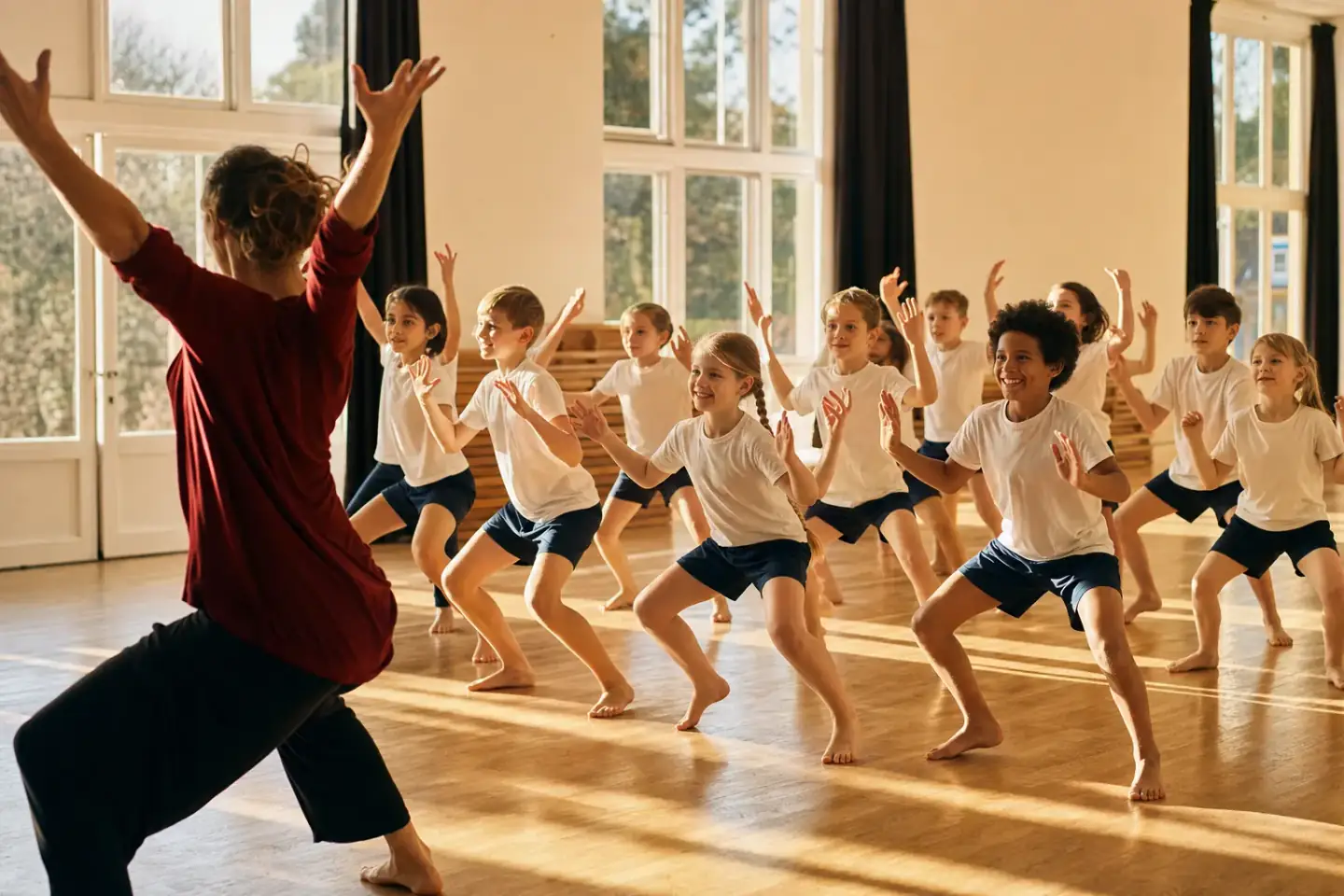 45–60 minutes per classAfrican DanceDiscover African history and culture through authentic dance.See the session
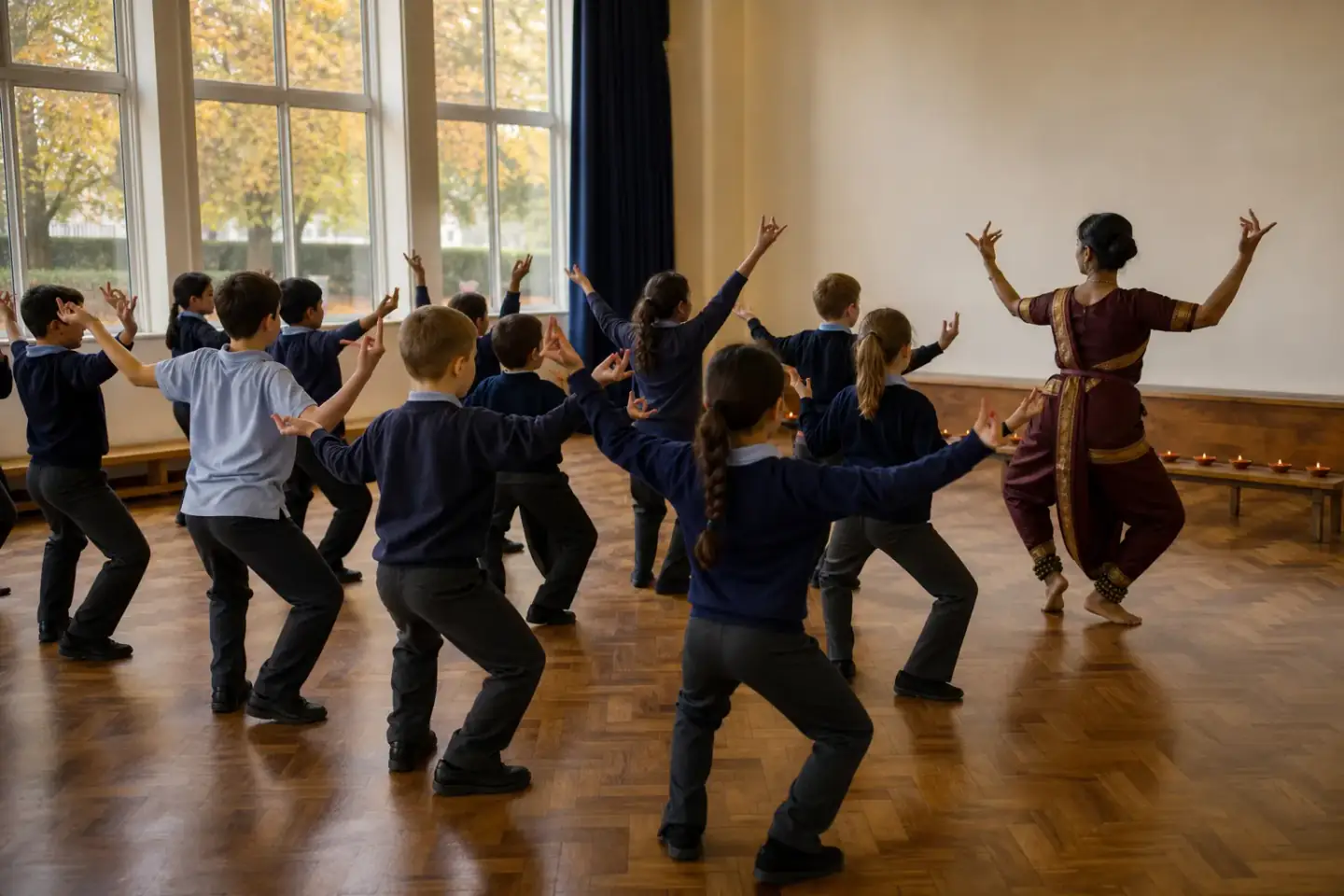 45–60 minutes per classIndian DanceExpress yourself through the graceful moves and rich traditions of Indian dance.See the session
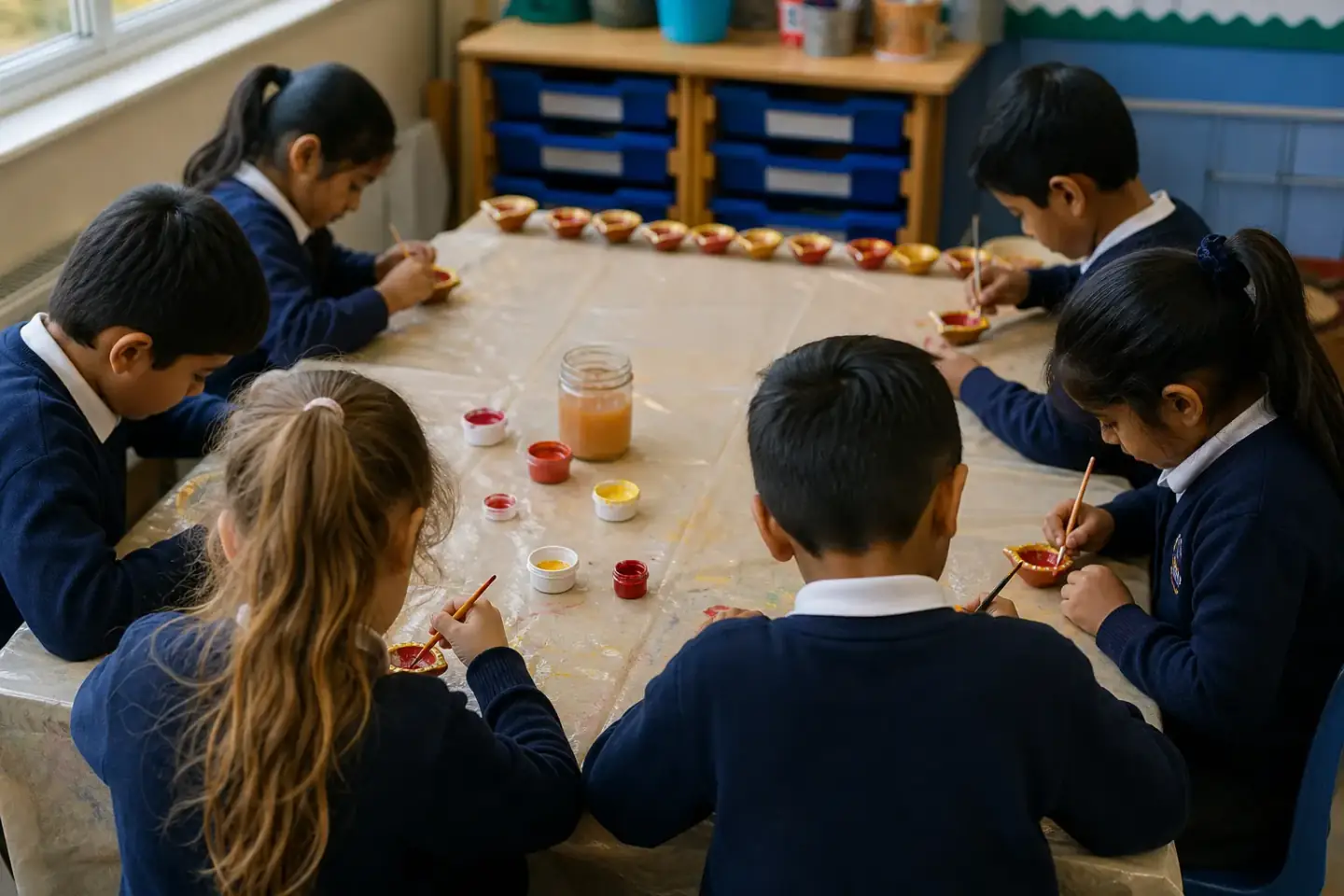 60–90 minutes per classDiya PaintingAdd your personal touch to the festival with a creative diya painting experience.See the session
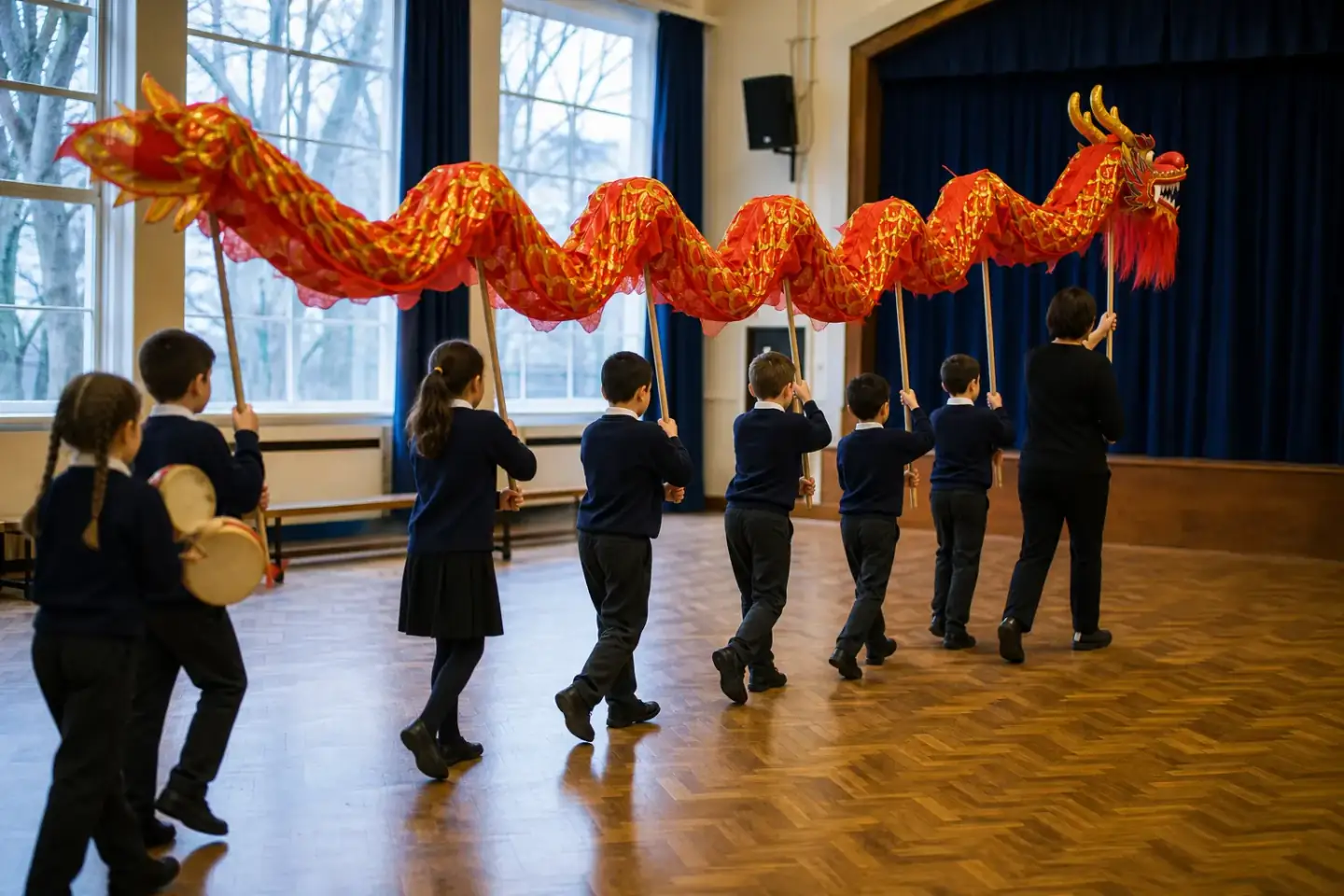 45–60 minutes per classChinese Dragon DanceStep into the vibrant traditions of Chinese culture with our exhilarating Chinese Dragon Dance workshop.See the session
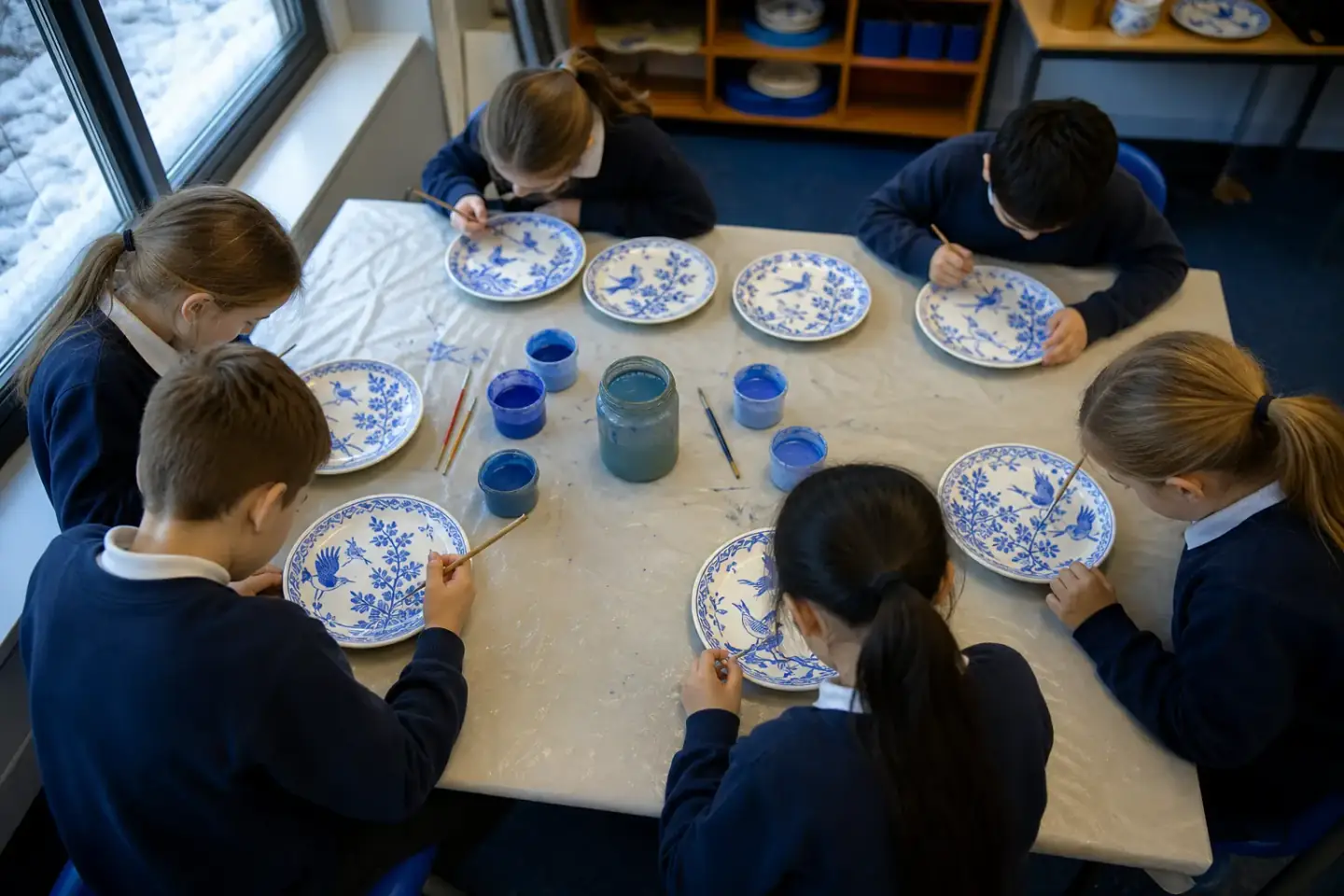 60–90 minutes per classChinese Plate PaintingEach child has the opportunity to create their own unique design.See the session
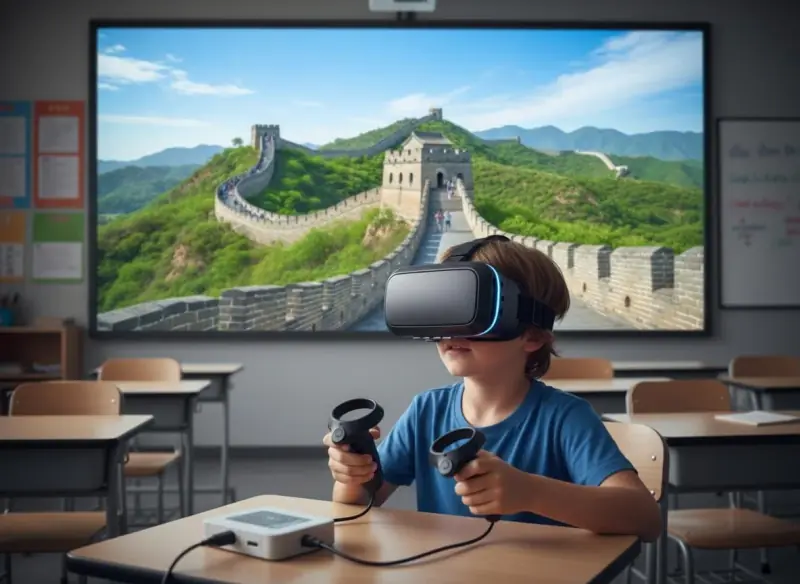 60 minutes per classAncient China in VRDiscover the twelve animals of the Zodiac and the story of the Great Race.See the session
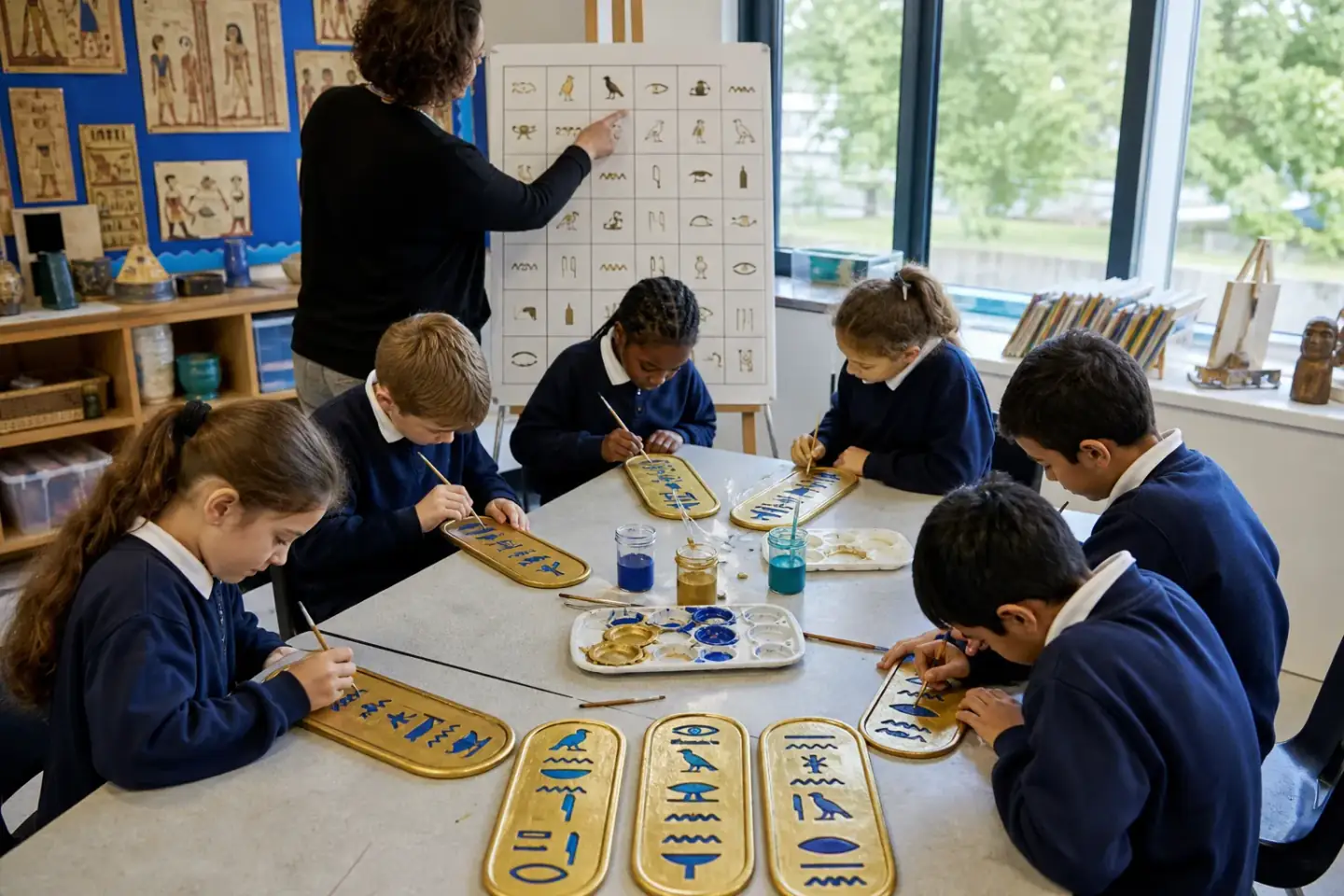 60–90 minutes per classEgyptian Cartouche PaintingHieroglyphic cartouches allow students to write their names like ancient Egyptian royalty.See the session
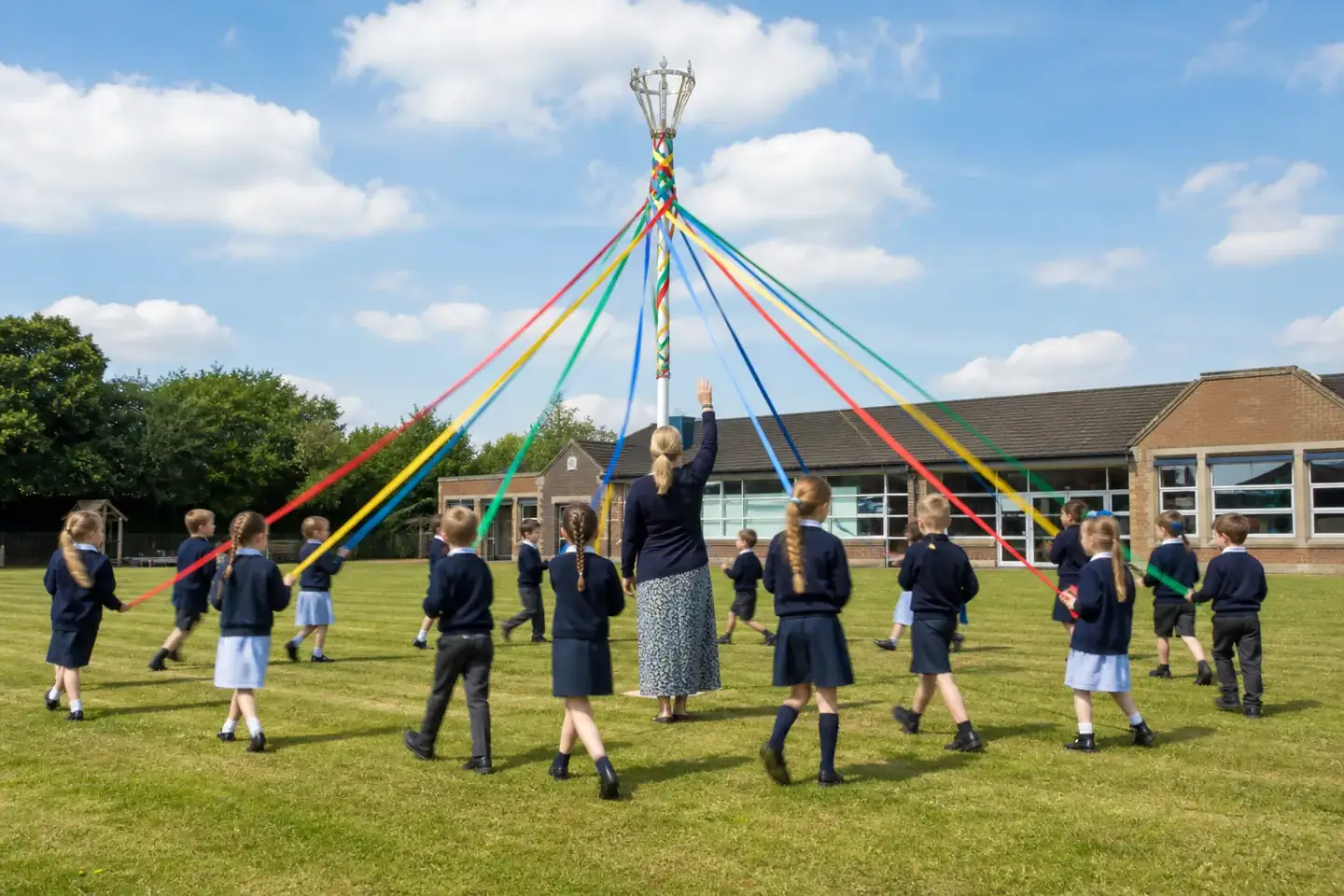 45–60 minutes per classMaypole DanceRibbons, weaving patterns and lively folk music.See the session
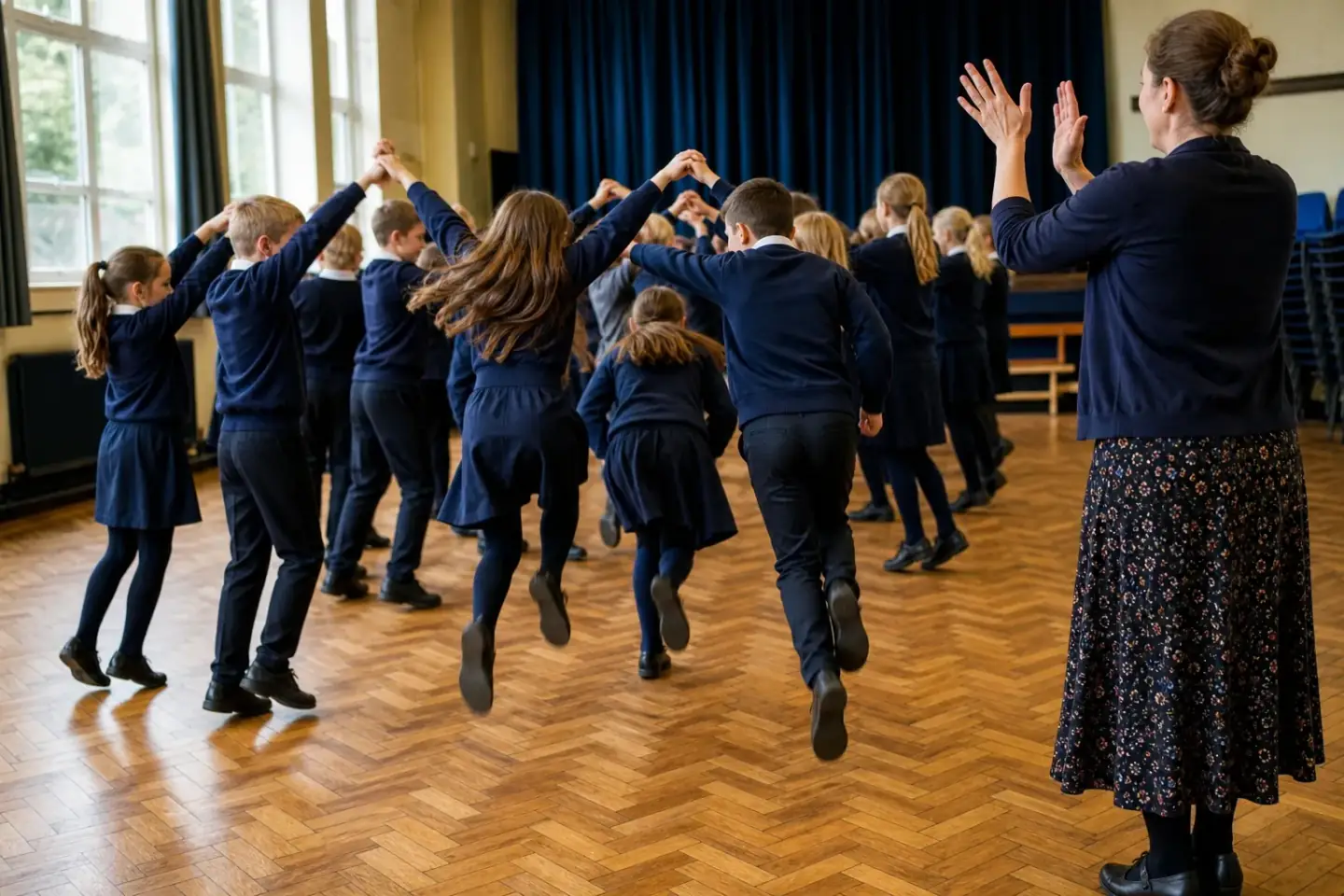 45–60 minutes per classIrish DanceOur Irish dance workshop brings the rhythm, footwork and heritage of Irish dance into your school.See the session
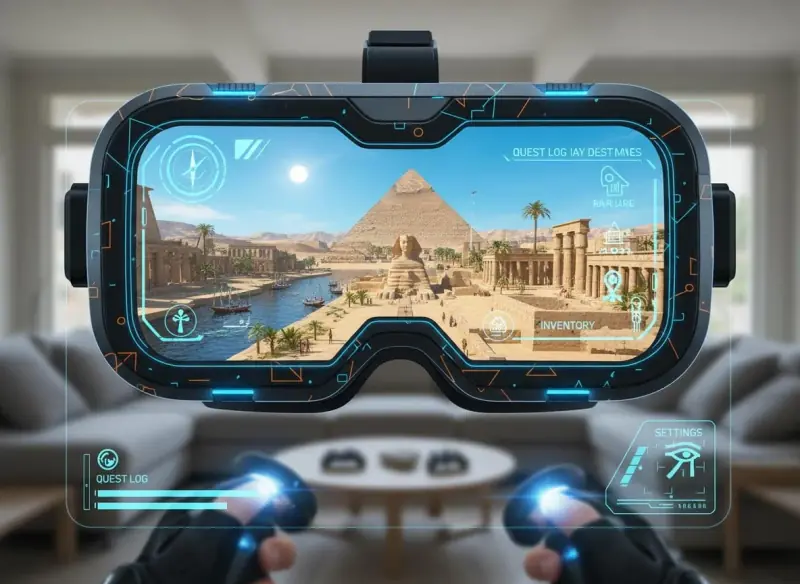 60 minutes per classAncient Egypt in VRCairo and the pyramids, pharaohs and gods, mummification and the Book of the Dead.See the session
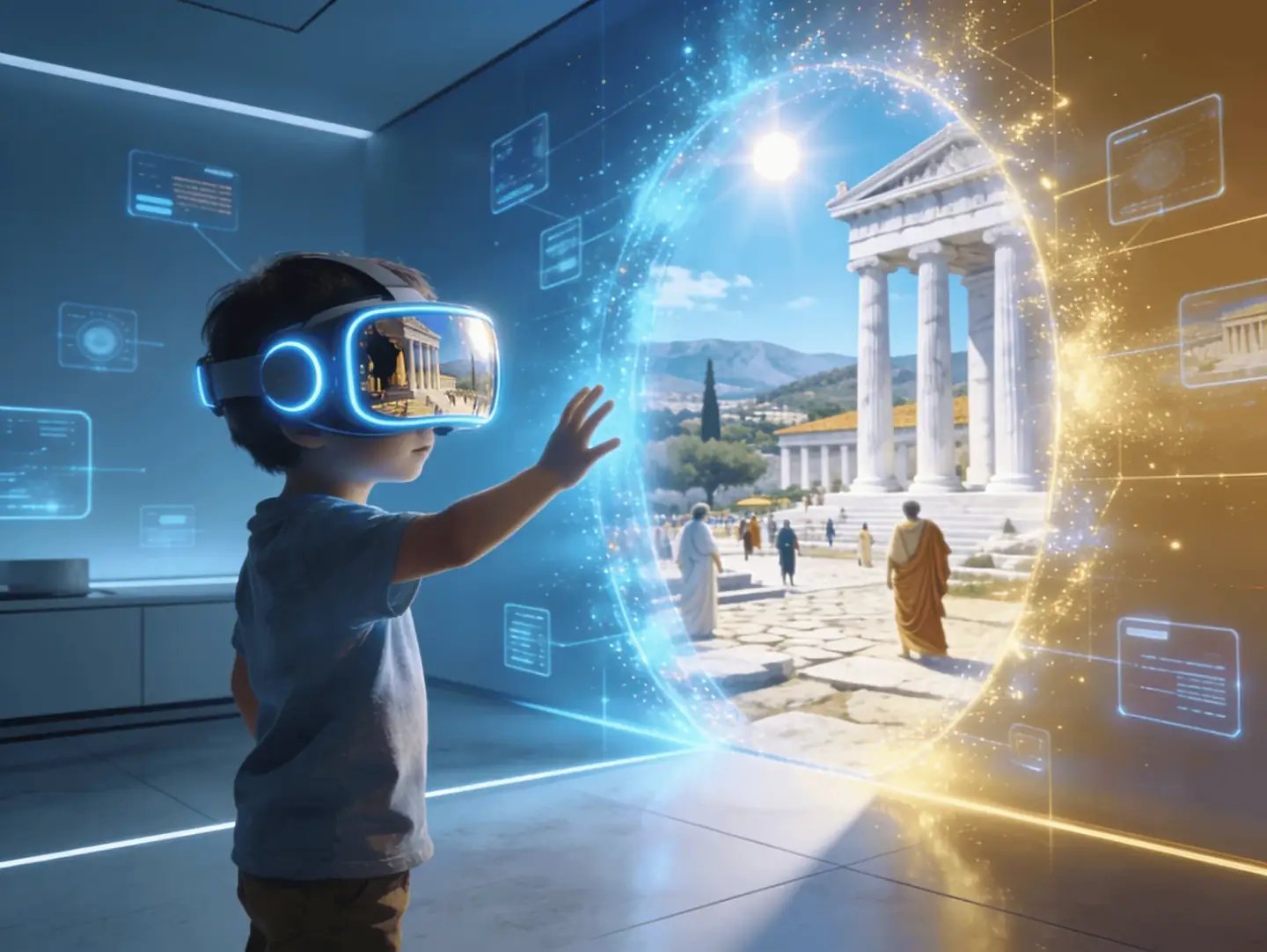 60 minutes per classAncient Greece in VRThe Greek gods and the origins of the Olympics.See the session
Real dances filmed in Far North Queensland, Australia.
Tell us the date you have in mind and we'll come back within one working day with options for your school.