
21 May · Cultural Diversity
African Drumming
Thirty pupils, thirty drums, one rhythm.
- Key stages
- EYFS to KS2
- Session length
- 45–60 minutes per class
- Group size
- Up to 30 pupils per session
- Formats
- Assembly, half day or full day
How the session runs
The instruments
Meet the drums
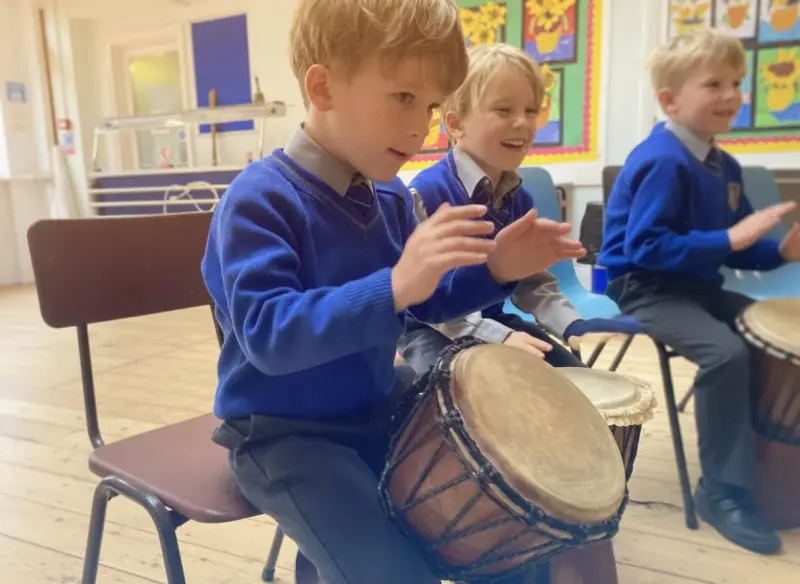
Pupils sit in a circle with a djembe each. In the first five minutes, the instructor introduces this energetic West African drum. Children quickly learn the correct posture and begin drumming straight away.
The three sounds
Three sounds, no notation
Bass, tone and slap: pupils learn the three djembe strokes and copy short patterns back by ear. Call and response means every pupil is playing from the first minute, whatever their musical experience.
The middle stretch
Layering the rhythm
The class splits into parts that interlock rather than double up, and builds a polyrhythm — two or three patterns fitting together. This is the part teachers mention afterwards: pupils listening hard to each other and judging their own volume so the quietest part stays audible, because the rhythm falls apart if they don't.
Solo turns
Room to take a risk
Anyone who wants one gets four bars over the top of the group rhythm. It is entirely optional, and it is often the moment a quieter pupil surprises their teacher.
The performance
Perform it
The class performs the finished piece — to each other, to another class, or to the whole school in the hall if we are with you for the full day. On a whole-school day each class is taught a different part and the parts are stacked in the closing assembly.
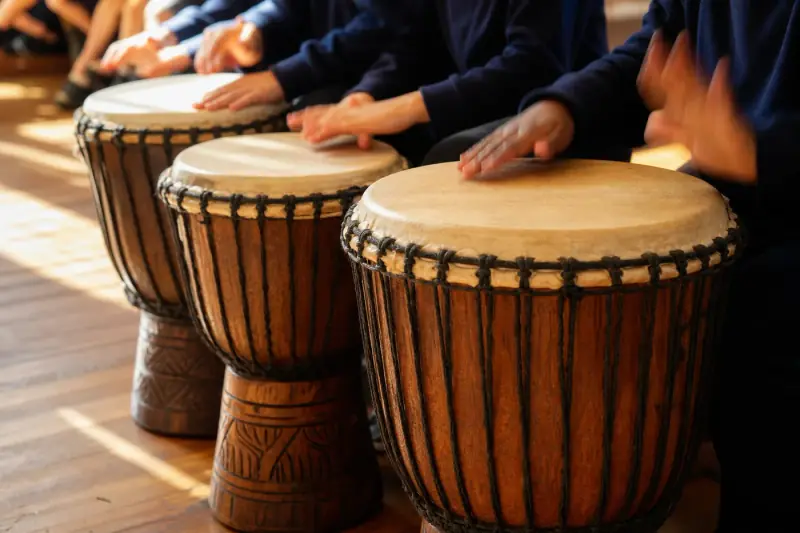
Ten minutes in, the whole class is playing one rhythm together.
What pupils will learn
- Where djembe drumming comes from: the people and the region a rhythm belongs to, what it is played for, and the role of the drum in West African communities
- The three djembe strokes — bass, tone and slap — and how to produce each one cleanly
- How to hold one part of a polyrhythm while other parts play against it
- Listening as a skill: judging your own volume so that somebody else's part stays audible
- Pulse, ensemble discipline and performing a piece from memory, with no notation at any stage
- How West African drumming travelled with the people who played it, where it is taught and performed in Britain today, and how it shaped music pupils already listen to
Curriculum links
EYFS to KS2
- Music, KS1
- Play tuned and untuned instruments musically; listen with concentration to a range of live music.
- Music, KS2
- Play and perform in solo and ensemble contexts; appreciate a wide range of music from different traditions.
- History and PSHE
- Cultural heritage and how traditions travel between continents — sits directly alongside Black History Month teaching in October and World Day for Cultural Diversity in May.
- PSHE and citizenship
- Cooperation with a shared goal: pupils adjust their own contribution so that everybody in the group can be heard.
- British Values
- Mutual respect and tolerance of those with different faiths and beliefs, through a living tradition that is practised in Britain rather than displayed from a distance.
What we bring
- Enough drums for a full class, so every pupil has their own djembe
- A facilitator who performs these traditions, DBS-checked and school-experienced
- Everything needed for a performance at the end of the session
What we need from you
- A hall, studio or cleared classroom with room for a circle of thirty
- A class teacher present throughout, as safeguarding requires
- Twenty minutes of access before the first session to lay the drums out
- Parking near an accessible entrance if you have it — the drums are heavy
When to book
21 May
World Day for Cultural Diversity for Dialogue and Development is a fixed date: 21 May every year.
Reviews for our workshop team
What schools say about our Cultural Diversity workshops
“Highly recommend the African mask workshop! It's one of the highlights of the Year 5 calendar. Well worth every penny”
Joanne Netto “What a great experience for the children! Ivan was amazing at keeping their interest and making the drumming session as active and exciting as possible.”
Demelza Jones “A great workshop. Fantastic resources and Chris was great with the children. They were engaged throughout and talked about it for ages afterwards. This is the third time we have used them and they never disappoint!”
Julie Gill “Fantastic workshops for primary school children - the facilitators Emma for African drumming and Naomi for dance workshops were friendly, skilled and provided a very enjoyable experience for the children. Thank you!”
Aleksandra Dass “We have had a number of experiences from the Education Group and are always impressed by the quality of the workshops. We return to them time after time because we know that the planning, content and age-appropriateness of their sessions are absolutely right for the children.”
Kate Baguley “Our infant school aged pupils enjoyed the Maypole experience and were amazed to see the maypole in the middle of their playground. The teacher was fantastic with our young children and we all managed to come away from our sessions feeling we had learnt something rather wonderful!”
St Peter's
Questions schools ask
Do pupils need any musical experience?
None at all. Everything is taught by call and response and nothing is written down during the session, so nobody has to read music and nobody starts behind. A class with no musical background performs a real piece by the end of the hour.
How many drums do you bring?
Enough for every pupil in the class to have their own — typically thirty djembes.
How loud is it?
Loud, honestly. A hall or a room away from exam groups works best. We can cap the volume for SEND groups and shorten the full-ensemble sections for groups who need it.
Can we tie it into our Black History Month teaching in October?
Yes, and that is what most October bookings are for. The facilitator names the communities each rhythm belongs to and talks about how the music travelled with the people who played it, so the session sits alongside what classes are already reading and writing about that month.
Can it run as a whole-school assembly?
Yes — a twenty-minute assembly demonstration, then classroom sessions across the rest of the day. Most schools book the full day so every class gets to play. Send us your break and lunch times and we will build the running order around them.
Is it suitable for pupils with SEND?
Yes. Drumming works especially well for pupils who find verbal learning harder, and a part can be as simple as two notes and still be essential to the piece. Tell us about the group when you book and the facilitator plans for it.
The other Cultural Diversity sessions
All of Cultural Diversity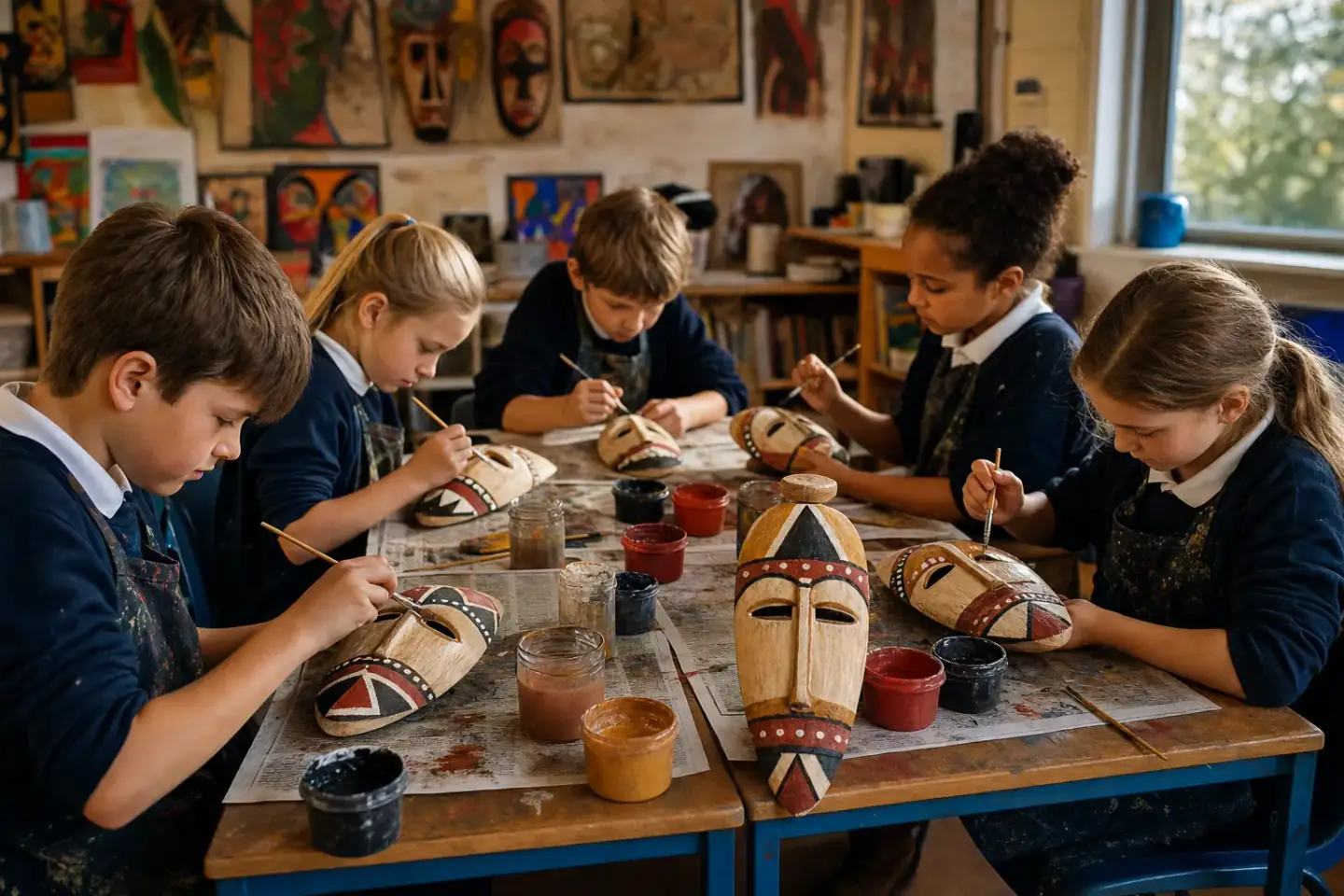 60–90 minutes per classAfrican Mask PaintingCreate African masks with intricate geometric designs.See the session
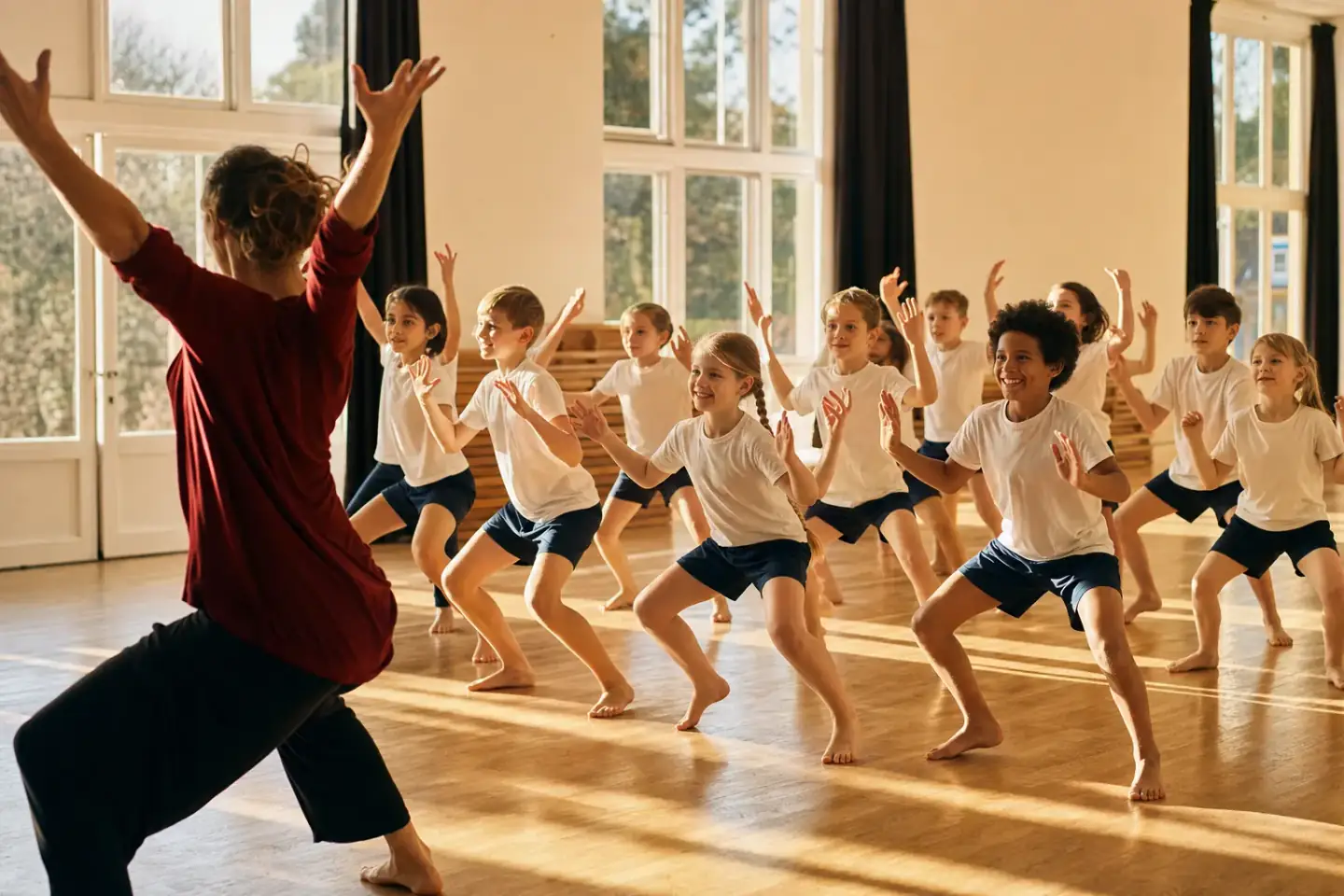 45–60 minutes per classAfrican DanceDiscover African history and culture through authentic dance.See the session
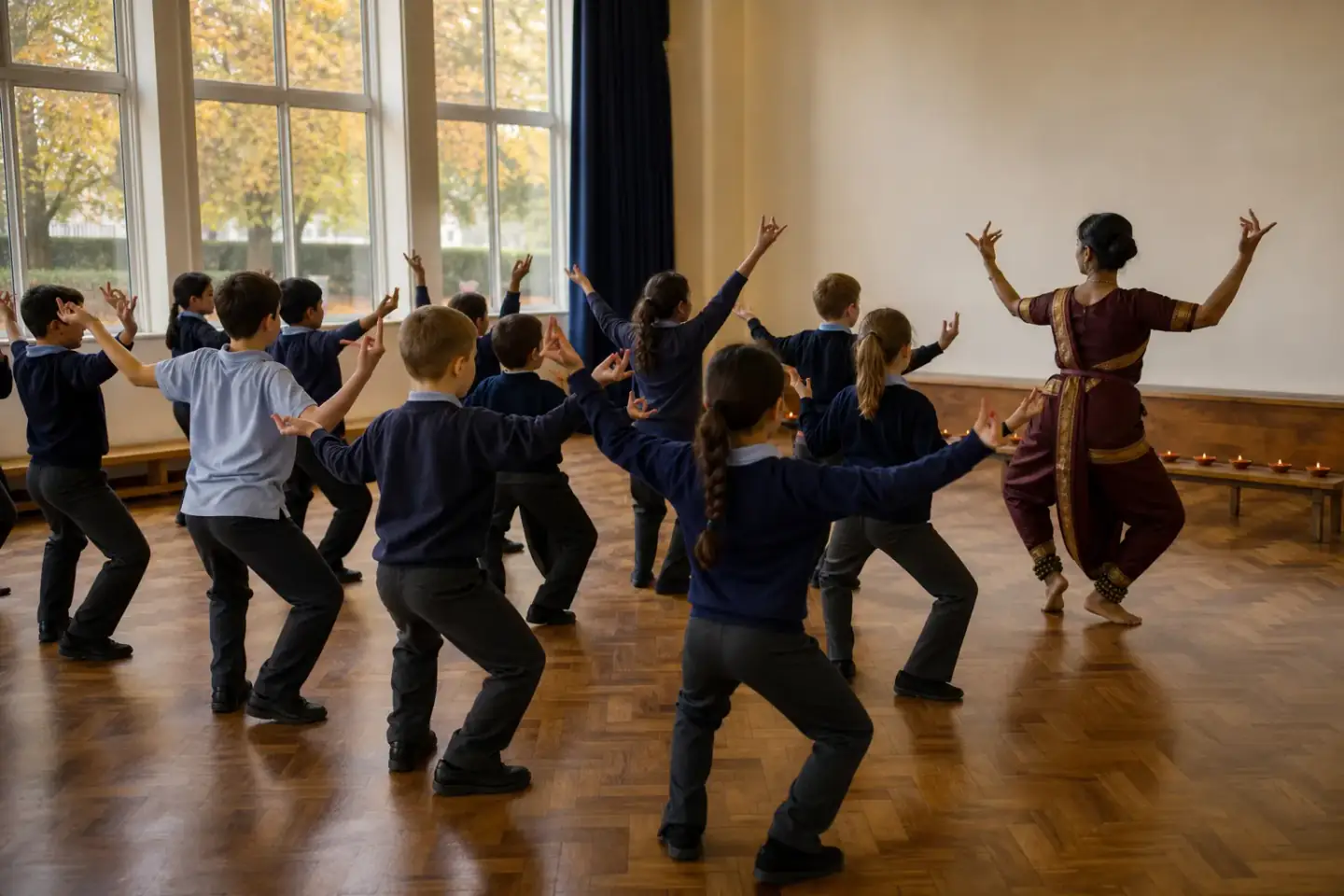 45–60 minutes per classIndian DanceExpress yourself through the graceful moves and rich traditions of Indian dance.See the session
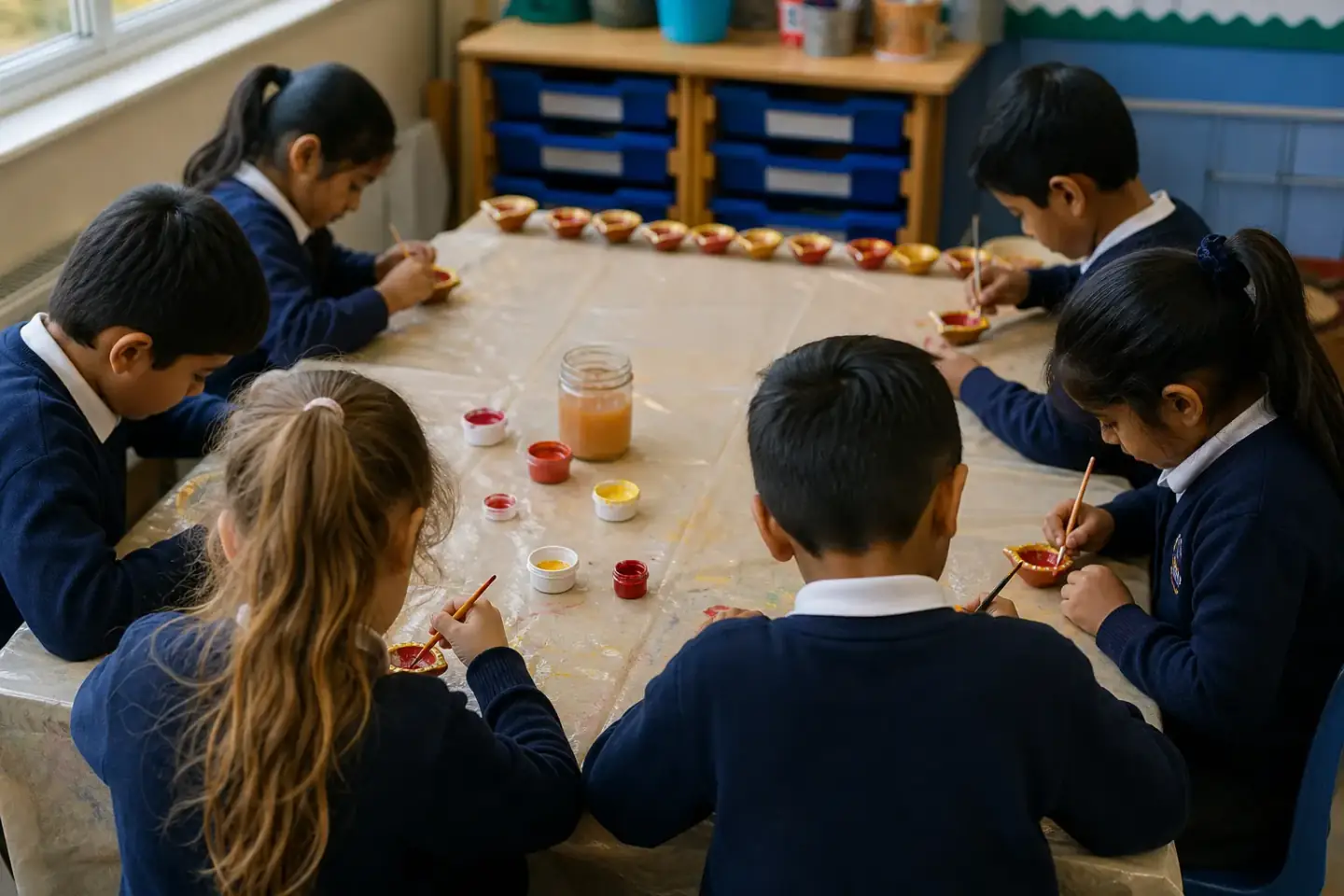 60–90 minutes per classDiya PaintingAdd your personal touch to the festival with a creative diya painting experience.See the session
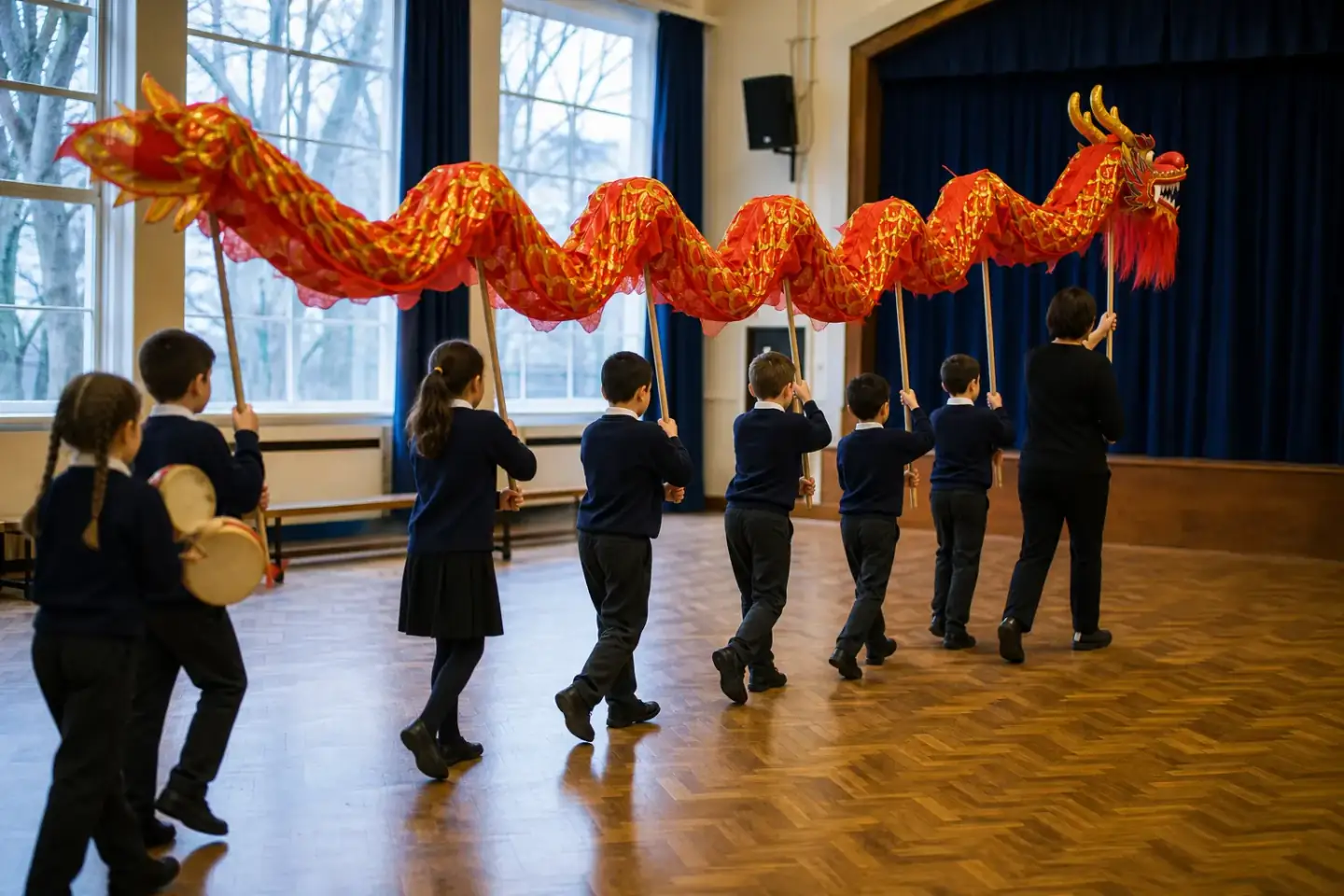 45–60 minutes per classChinese Dragon DanceStep into the vibrant traditions of Chinese culture with our exhilarating Chinese Dragon Dance workshop.See the session
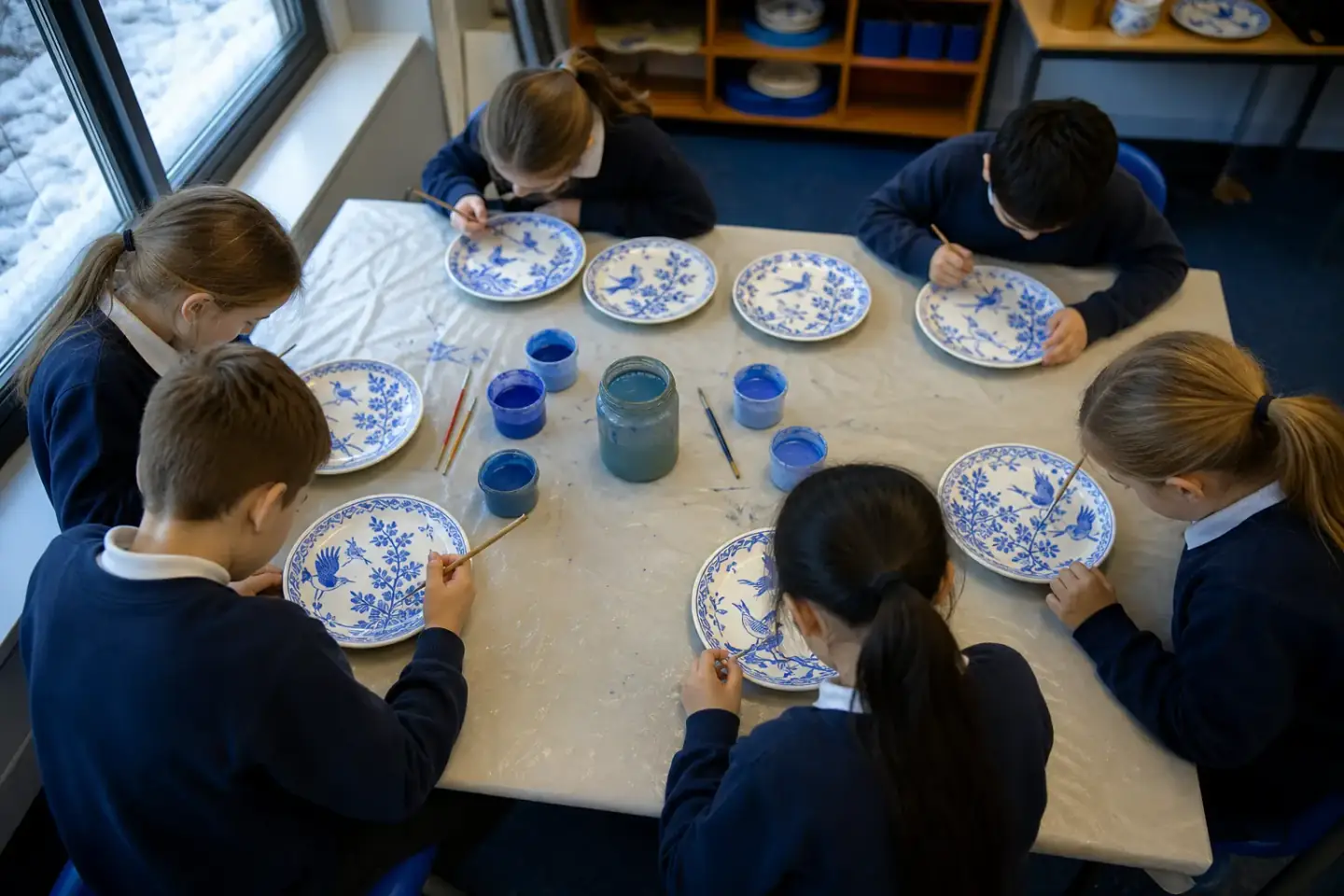 60–90 minutes per classChinese Plate PaintingEach child has the opportunity to create their own unique design.See the session
 60 minutes per classAncient China in VRDiscover the twelve animals of the Zodiac and the story of the Great Race.See the session
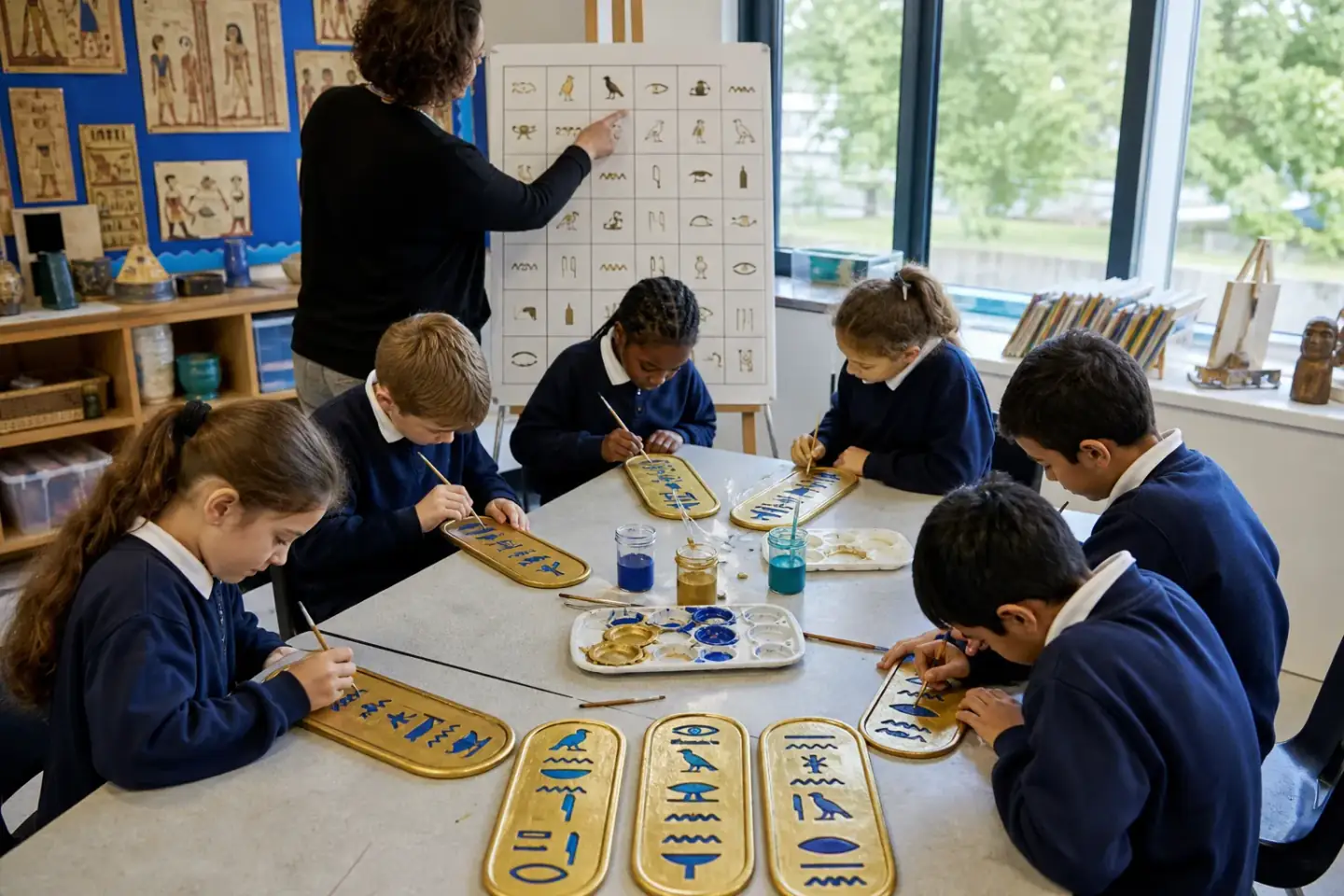 60–90 minutes per classEgyptian Cartouche PaintingHieroglyphic cartouches allow students to write their names like ancient Egyptian royalty.See the session
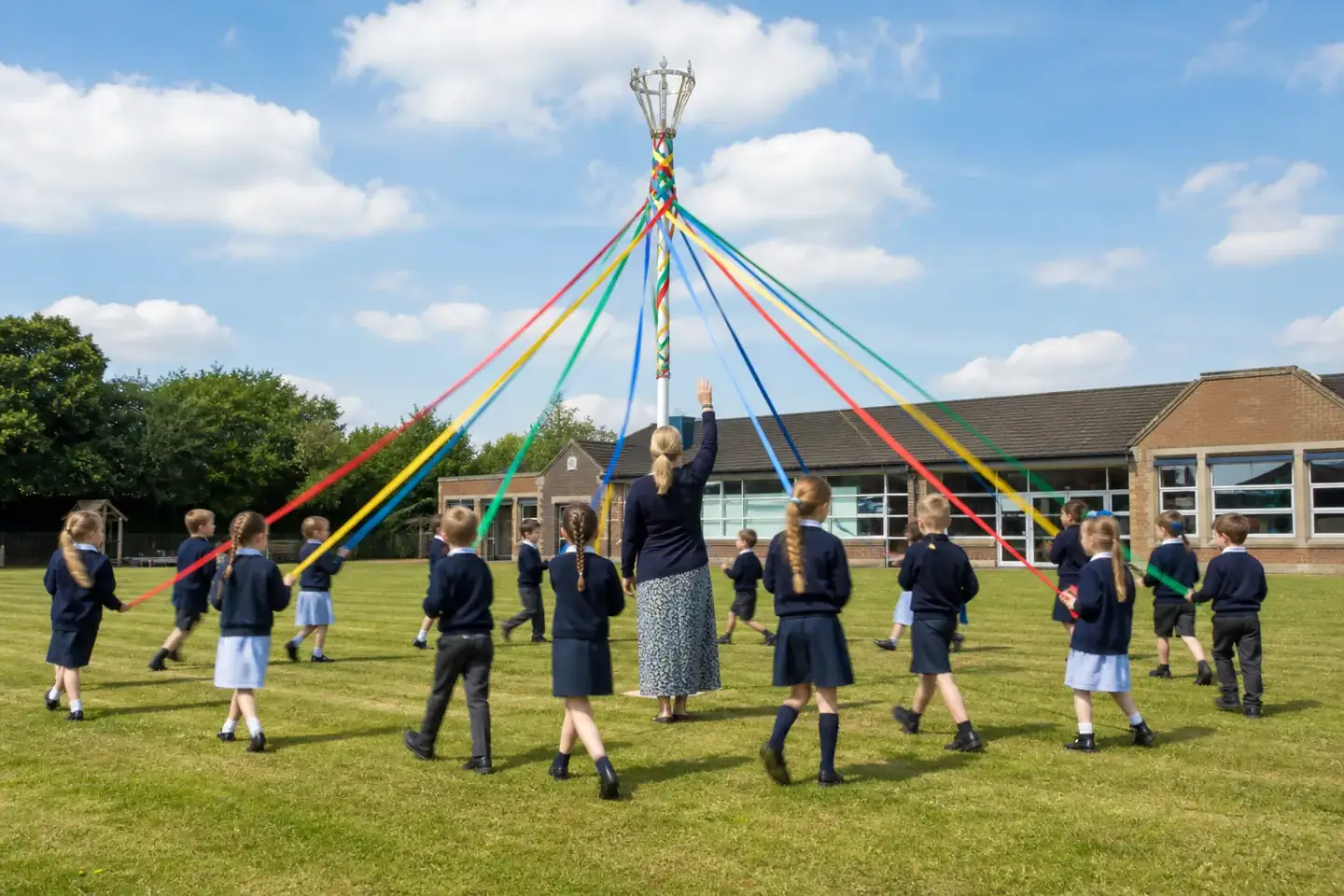 45–60 minutes per classMaypole DanceRibbons, weaving patterns and lively folk music.See the session
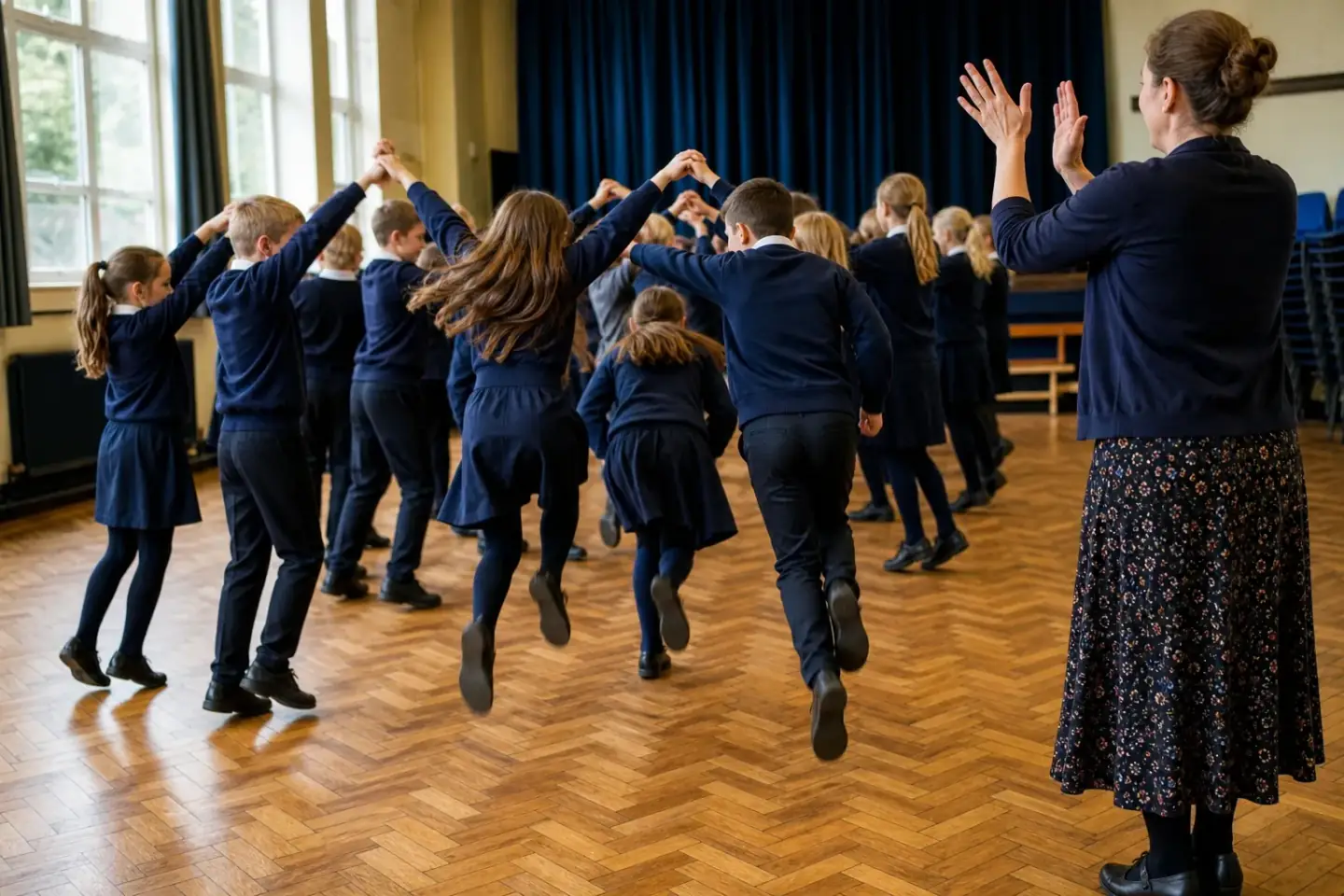 45–60 minutes per classIrish DanceOur Irish dance workshop brings the rhythm, footwork and heritage of Irish dance into your school.See the session
 60 minutes per classAncient Egypt in VRCairo and the pyramids, pharaohs and gods, mummification and the Book of the Dead.See the session
 60 minutes per classAncient Greece in VRThe Greek gods and the origins of the Olympics.See the session
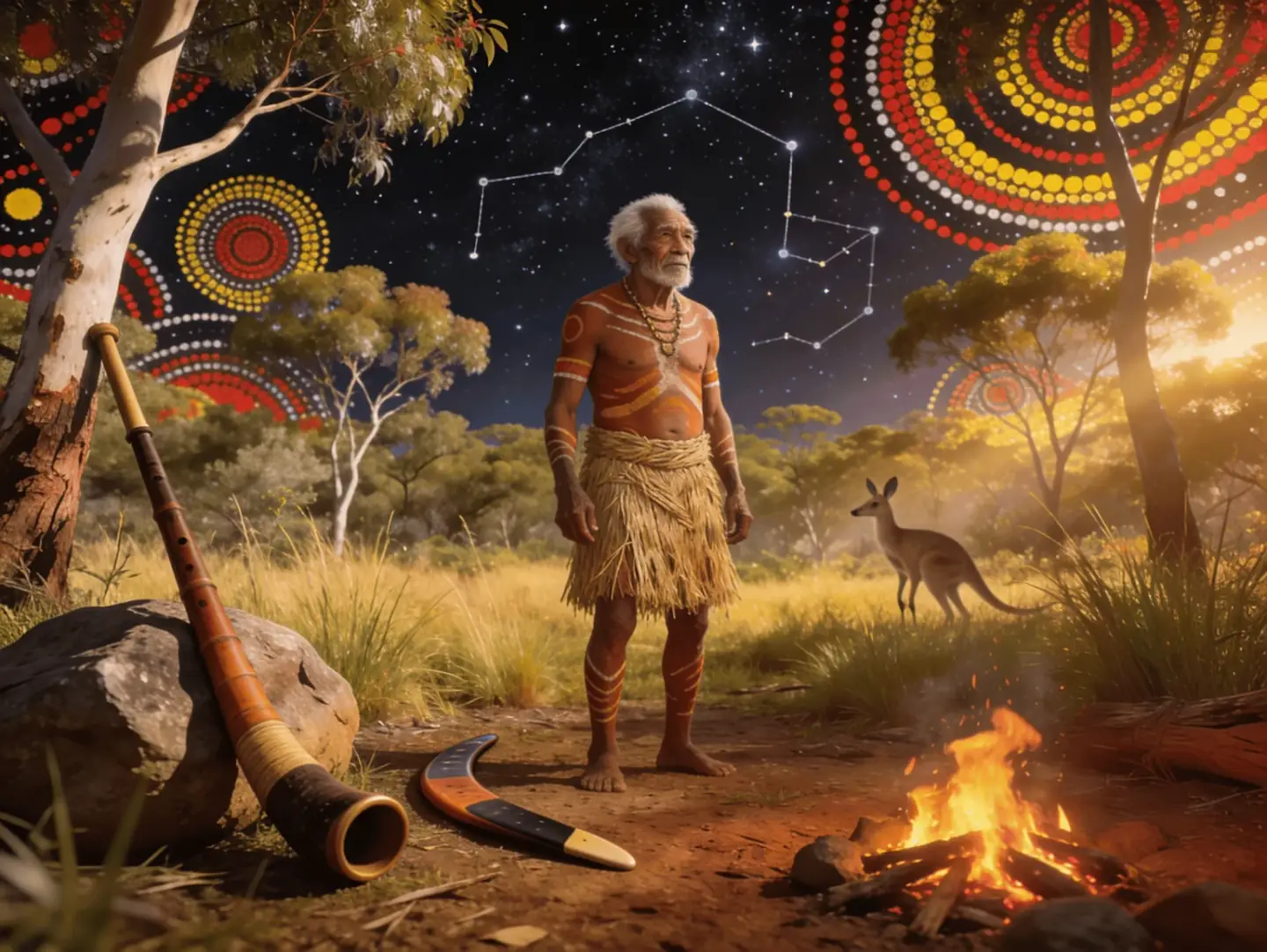 60 minutes per classIndigenous Australia in VRReal dances filmed in Far North Queensland, Australia.See the session
Thirty pupils, thirty drums, one rhythm.
Tell us the date you have in mind and we'll come back within one working day with options for your school.