21 May · Cultural Diversity
Ancient Greece in VR
The Greek gods and the origins of the Olympics.
- Key stages
- KS2
- Session length
- 60 minutes per class
- Group size
- A whole class at once — one headset per pupil, seated
- Formats
- Single class, a year group, or a full day of consecutive classes
How the session runs
Before we begin
Rules first, headsets second
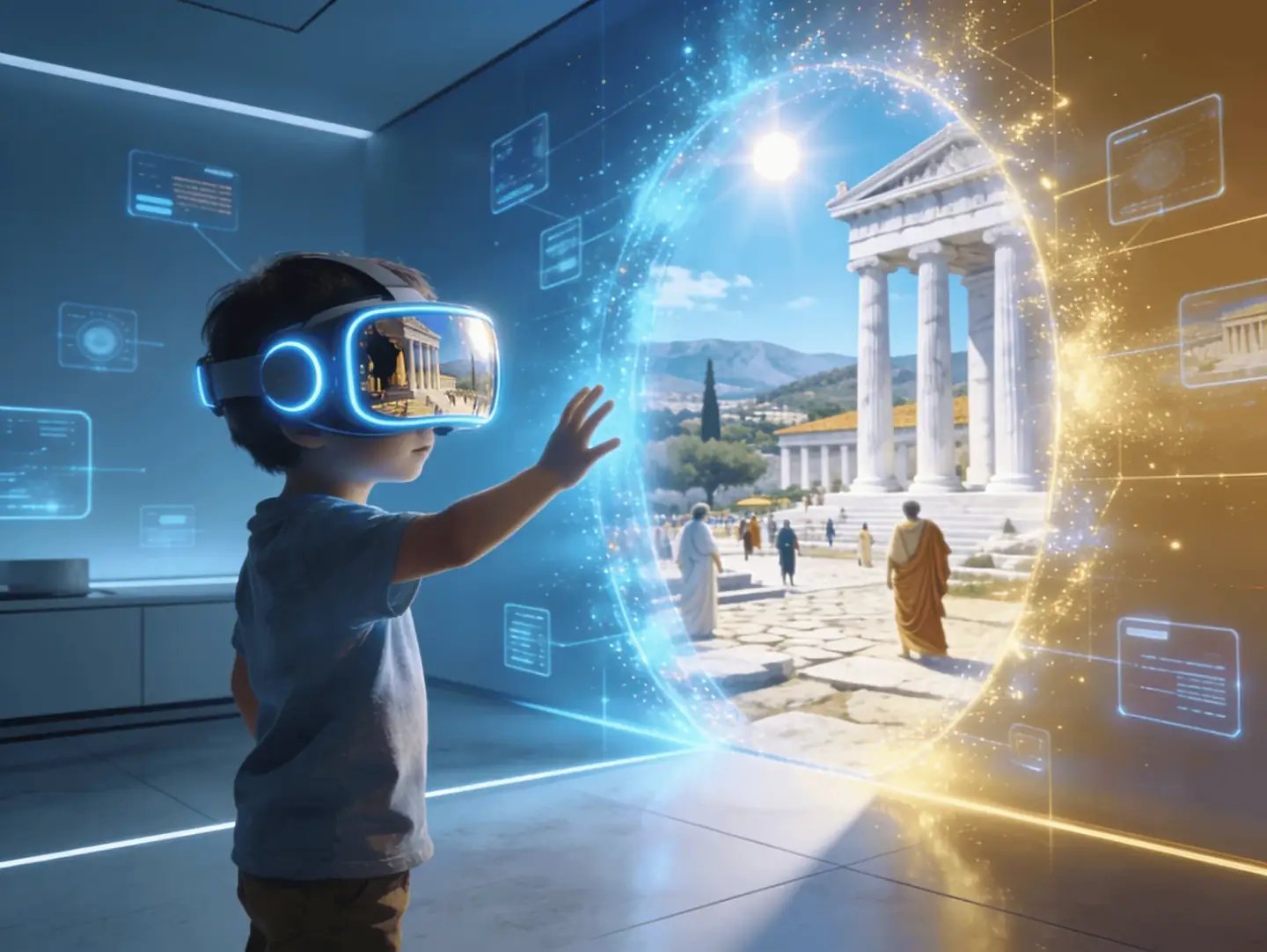
Before the session starts, we show the children how to use the virtual reality headsets. For everyone's safety, all students must stay seated throughout the experience.
Introduction
Greece today, to start with
The facilitator introduces the civilisation first — the centuries it spanned, the writing and the buildings that outlasted it, the hundreds of gods, the myths, and Athens and Sparta at war — then explains how the hour runs: two or three questions before each film to prime the class to listen, and the same questions again afterwards. The first film visits Greece as it is now. Afterwards pupils can say how many cities were named after Alexander the Great, and name the three kinds of column found in the temples.
Second film
Great thinkers and their discoveries
Before the film pupils name any famous Ancient Greek they can — Aristotle, Archimedes, Pythagoras, Hippocrates, Homer — and are told to listen out for English words that came from Greek. Afterwards they find them: acrobat, architect, dinosaur, galaxy, music, planet. Then the inventions, which are the ones classes least expect — the water wheel, the alarm clock, the catapult, the vending machine, even early automatons.
Third film
Meeting the gods
Between them a class can usually name a surprising number before the film starts: Zeus, Hades, Aphrodite, Hera, Hermes, Poseidon, Athena, Cerberus. Afterwards they know Zeus by his thunderbolt, and learn why a gold piece was buried in the mouth of somebody who had died — to pay the boatman to cross to the underworld. The bonus question is what a three-headed dog was doing at the gate.
Fourth film
The ancient Olympics against today's
Pupils are asked to name Olympic sports first, then find out which of them were part of the ancient Games — running, wrestling, boxing, discus and javelin — and which god the original Games honoured. Then the comparison runs the other way, through the modern list from cycling and swimming to skateboarding. The bonus question is how many golds Michael Phelps ended up with, which no class has ever guessed high enough.
The museum
Four rooms to search
The last module is a virtual museum with four rooms, each holding up to seven panels of images and text with a 3D exhibit in the centre. This is where the class works rather than watches: the facilitator can split them into teams, send each team into a room and set them a different task — as many gods as they can find, as many great thinkers, all about Hercules or Medusa, all about the inventions, writing and Greek words, or the ancient Olympics measured against the modern ones.
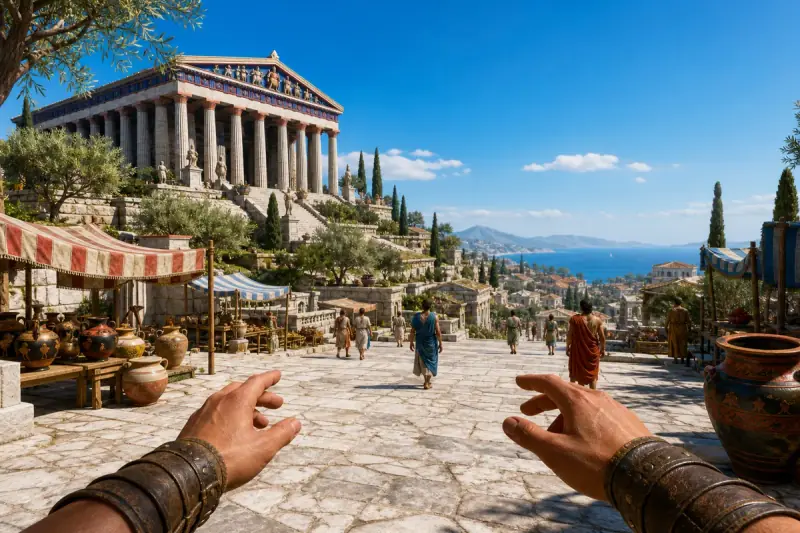
Asking a class to listen out for English words that came from Greek changes what they hear.
What pupils will learn
- That the Ancient Greeks were at their height from the eighth to the fourth centuries BC, and why we know so much about them
- That Athens and Sparta were the two important cities and were constantly at war
- That the Greeks worshipped hundreds of gods and built temples to them, and the three kinds of column those temples used — Doric, Ionic and Corinthian
- The names and stories of the gods — Zeus and his thunderbolt, Hades, Poseidon, Athena, Cerberus — and the myths of Hercules and Medusa
- What the Greeks believed about the underworld, including the gold piece buried to pay the boatman
- The great thinkers, and the everyday English words that came from Greek: acrobat, architect, dinosaur, galaxy, music, planet
- Greek inventions, from the water wheel and the catapult to the alarm clock, the vending machine and early automatons
- That the Greeks invented the Olympic Games in honour of Zeus, which sports were in them, and how the modern Games compare
- How to search a source for themselves and report back, working as a team in one of the museum rooms
Curriculum links
KS2
- History, KS1 and KS2
- Ancient Greece: a study of Greek life and achievements and their influence on the western world. Every key learning point in the session is drawn from the KS1 and KS2 history curriculum.
- English, KS1 and KS2
- Spoken language: listen for specific information in a narration, then answer questions on it and explain the answer to the class. Vocabulary: English words with Greek roots.
- PE and PSHE
- The origins of the Olympic Games, the sports they contained, and how the modern Games compare with the ancient ones.
- Computing and PSHE
- Using digital devices safely and responsibly, and discussing how a simulated place is built and what it leaves out.
What we bring
- A charged headset for every pupil, enough for a full class at once with no rotation and no waiting
- A DBS-checked facilitator who runs the whole session from a master device, keeping every headset in step, and teaches the history around it
- The full journey: four films and a four-room virtual museum, shown in the order the script follows
- The question sets used before and after each film, so your staff can revisit them the following week
- Set-up before the first class, cleaning between classes, and pack-down at the end — our job, not yours
What we need from you
- A hall or cleared space where the whole class can sit spaced out, each pupil in front of their own headset and clear of walls and furniture
- Forty minutes before the workshop start time, so the facilitator can park, sign in and set the headsets out
- A mains socket near a table we can lay the kit out on
- A member of staff who stays with the class for the session
- A word in advance if pupils wear glasses — they can usually stay on under the headset
When to book
21 May
World Day for Cultural Diversity for Dialogue and Development is a fixed date: 21 May every year.
Reviews for our workshop team
What schools say about our Cultural Diversity workshops
“What a great experience for the children! Ivan was amazing at keeping their interest and making the drumming session as active and exciting as possible.”
Demelza Jones “A great workshop. Fantastic resources and Chris was great with the children. They were engaged throughout and talked about it for ages afterwards. This is the third time we have used them and they never disappoint!”
Julie Gill “Fantastic workshops for primary school children - the facilitators Emma for African drumming and Naomi for dance workshops were friendly, skilled and provided a very enjoyable experience for the children. Thank you!”
Aleksandra Dass “We have had a number of experiences from the Education Group and are always impressed by the quality of the workshops. We return to them time after time because we know that the planning, content and age-appropriateness of their sessions are absolutely right for the children.”
Kate Baguley “Our infant school aged pupils enjoyed the Maypole experience and were amazed to see the maypole in the middle of their playground. The teacher was fantastic with our young children and we all managed to come away from our sessions feeling we had learnt something rather wonderful!”
St Peter's “Highly recommend the African mask workshop! It's one of the highlights of the Year 5 calendar. Well worth every penny”
Joanne Netto
Questions schools ask
How many pupils can take part at the same time?
The whole class, all at once. There is one headset for every pupil and they sit down in front of them together, so nobody queues for the kit.
Do pupils stay seated?
Throughout. Pupils sit down in front of a headset at the start and stay seated the whole way through, because the films bring the journey to them rather than the other way round. If anything goes wrong a hand goes up and the facilitator comes over.
How does one facilitator keep a whole class in step?
Everything runs from a master device. The sound comes from the facilitator's device rather than the pupils', so the class hears one narration together, and each film begins when everybody looks up for three seconds — which is why the class practises that look-up before a single headset goes on.
Why the questions before each film?
Because it changes what pupils hear. Two or three questions asked before a film prime the class to listen for the answers, and the facilitator recaps the same questions afterwards, gives the answers and adds a couple more. It is the difference between a class watching a film and a class looking for something.
Can a pupil opt out of the headset?
Always. We say so to the whole class up front, before the kit is handed round, so it never becomes a request a pupil has to make in front of everyone. The facilitator asks the questions out loud and runs the discussion between films, so an opted-out pupil still follows the whole session.
What is the museum at the end?
A virtual museum with four rooms, each holding up to seven panels of images and text and a 3D exhibit in the middle. The facilitator can split the class into teams, send each into a room and give them a different thing to find — the gods, the great thinkers, Hercules or Medusa, the inventions, or the two Olympic Games side by side.
The other Cultural Diversity sessions
All of Cultural Diversity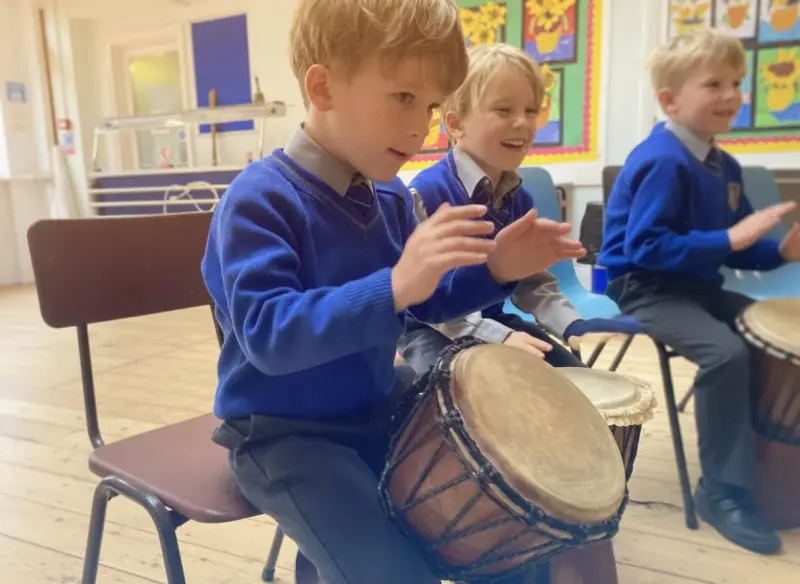 45–60 minutes per classAfrican DrummingThirty pupils, thirty drums, one rhythm.See the session
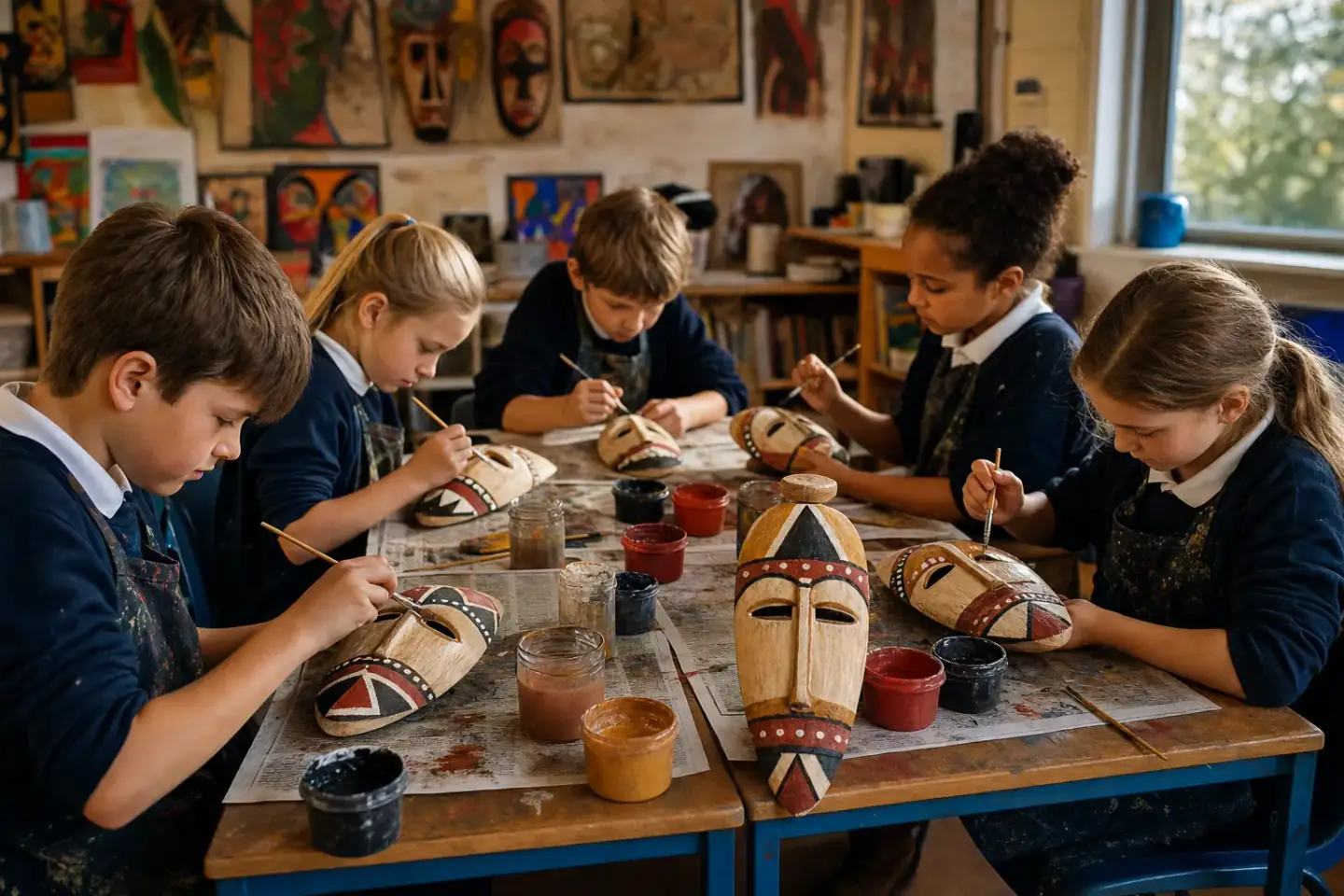 60–90 minutes per classAfrican Mask PaintingCreate African masks with intricate geometric designs.See the session
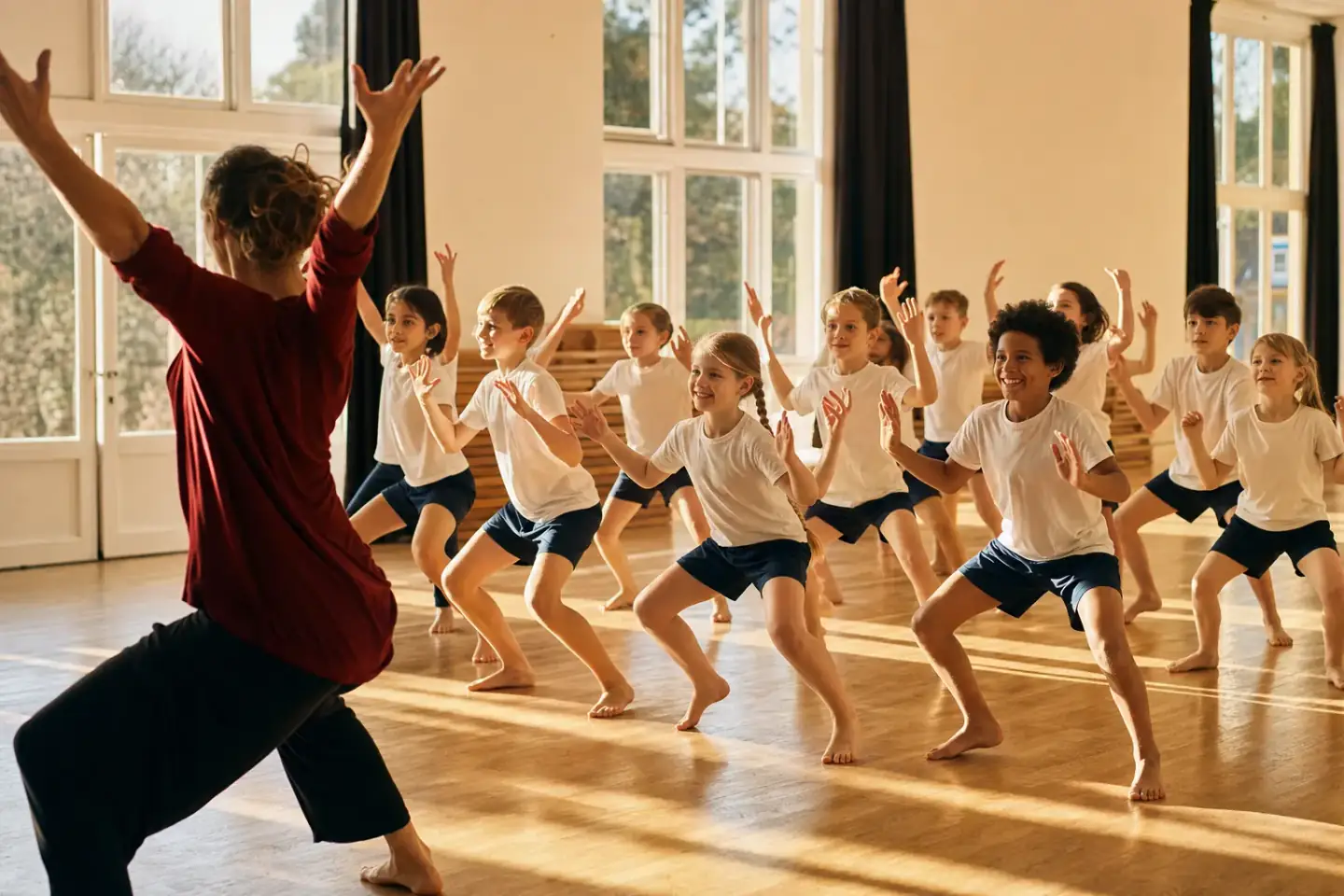 45–60 minutes per classAfrican DanceDiscover African history and culture through authentic dance.See the session
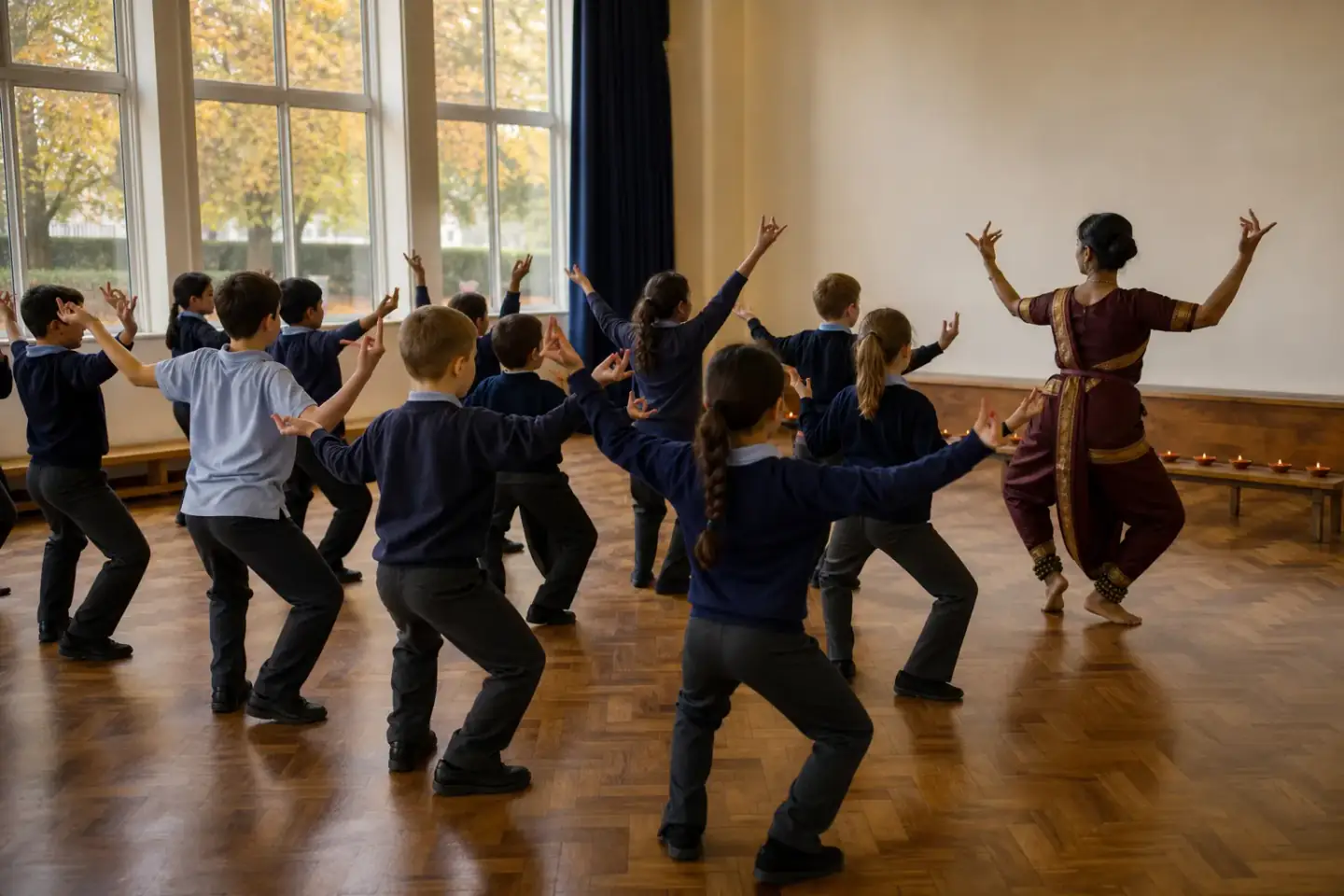 45–60 minutes per classIndian DanceExpress yourself through the graceful moves and rich traditions of Indian dance.See the session
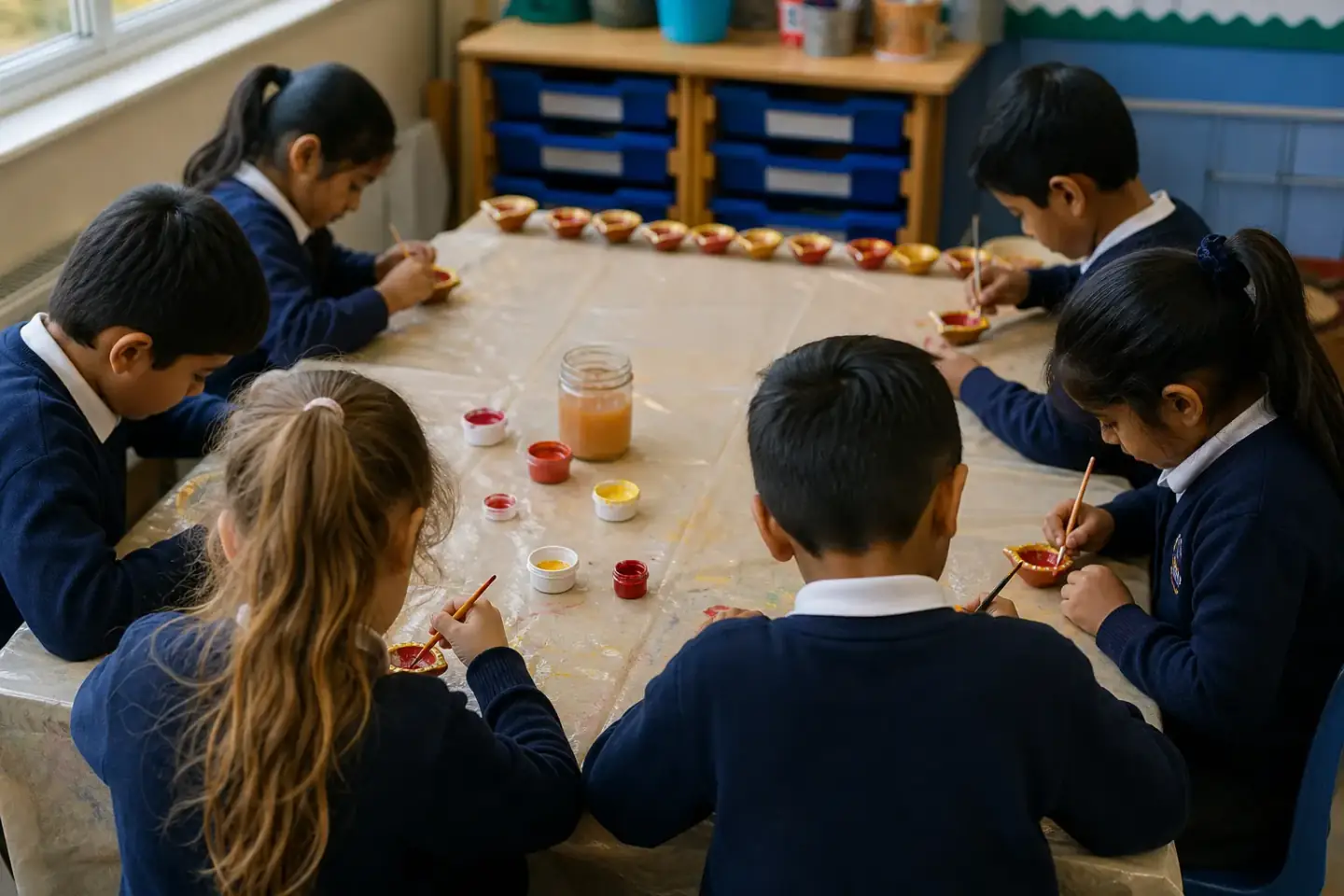 60–90 minutes per classDiya PaintingAdd your personal touch to the festival with a creative diya painting experience.See the session
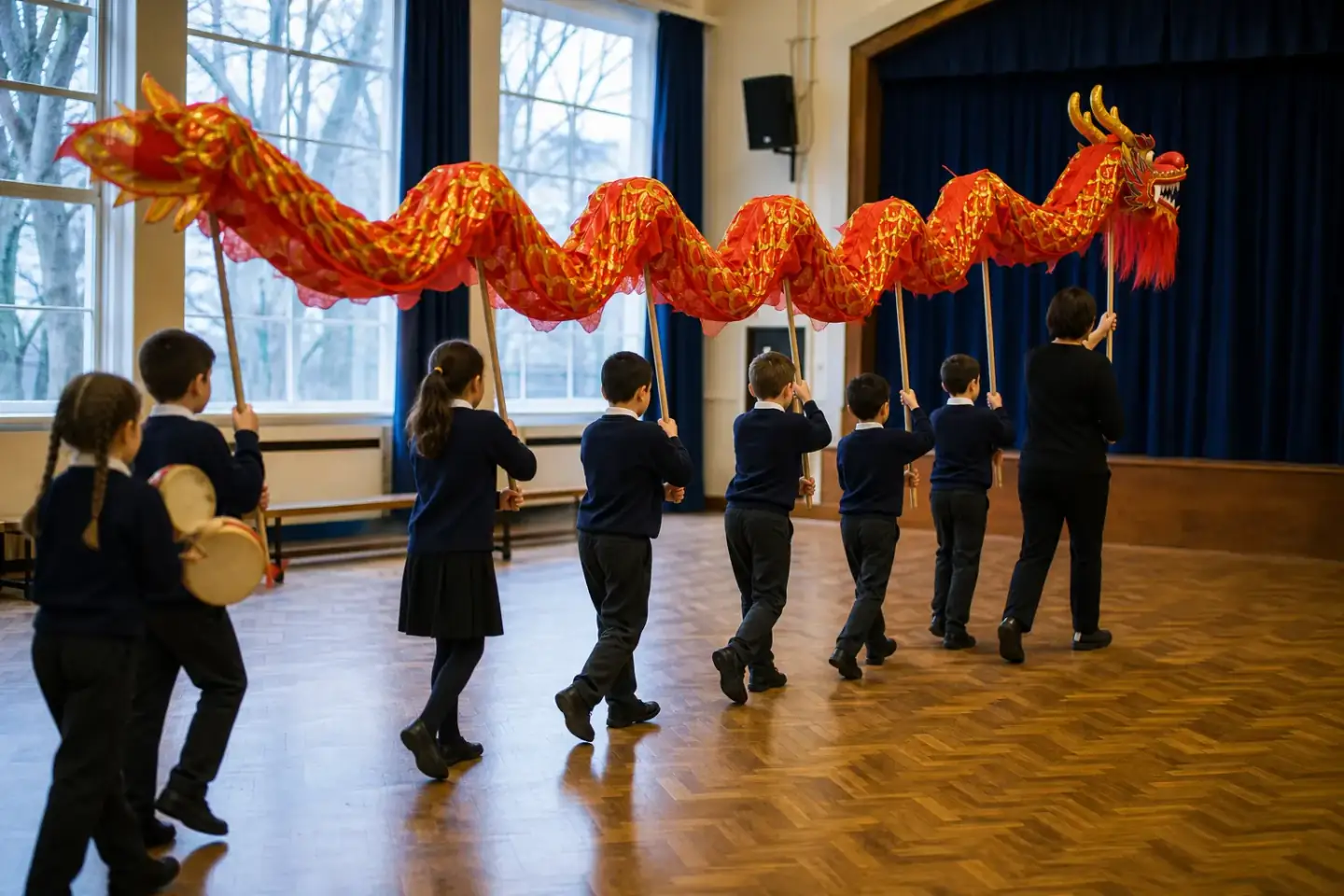 45–60 minutes per classChinese Dragon DanceStep into the vibrant traditions of Chinese culture with our exhilarating Chinese Dragon Dance workshop.See the session
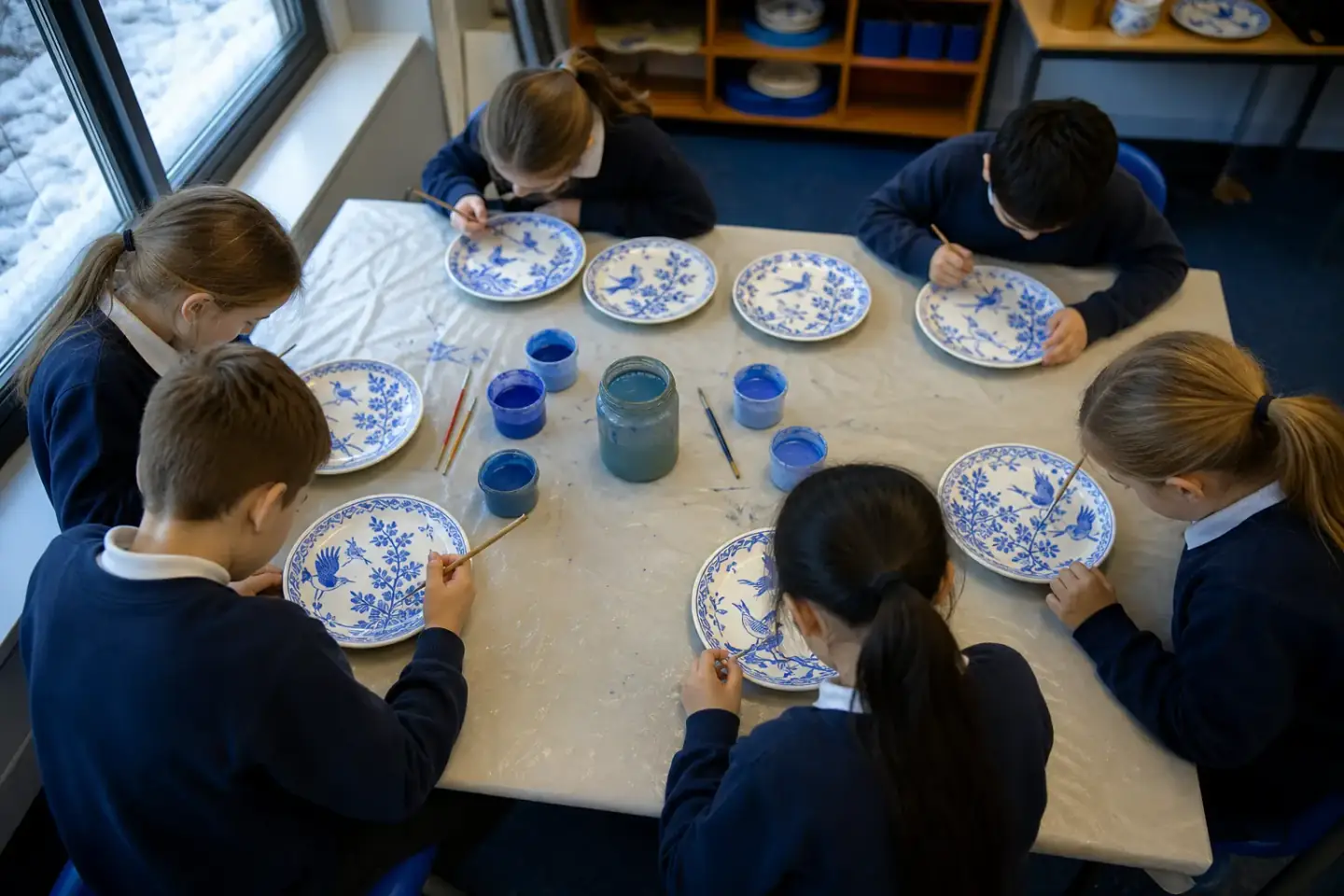 60–90 minutes per classChinese Plate PaintingEach child has the opportunity to create their own unique design.See the session
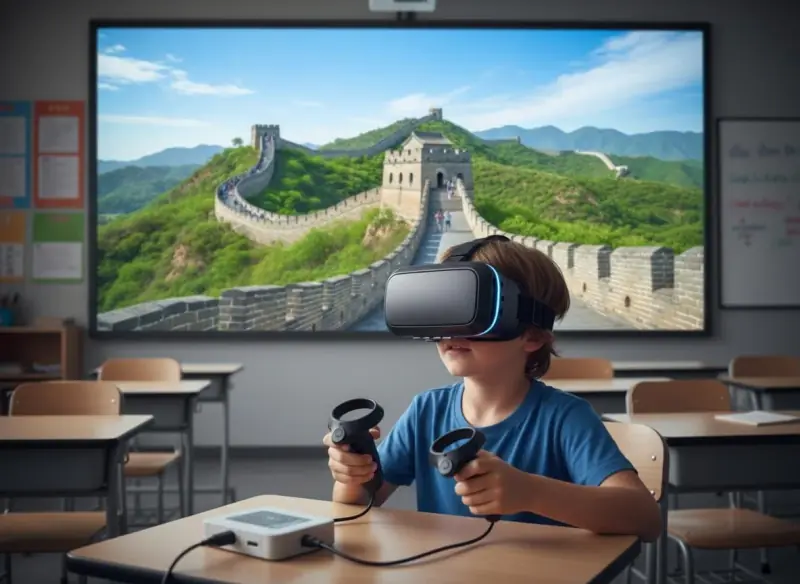 60 minutes per classAncient China in VRDiscover the twelve animals of the Zodiac and the story of the Great Race.See the session
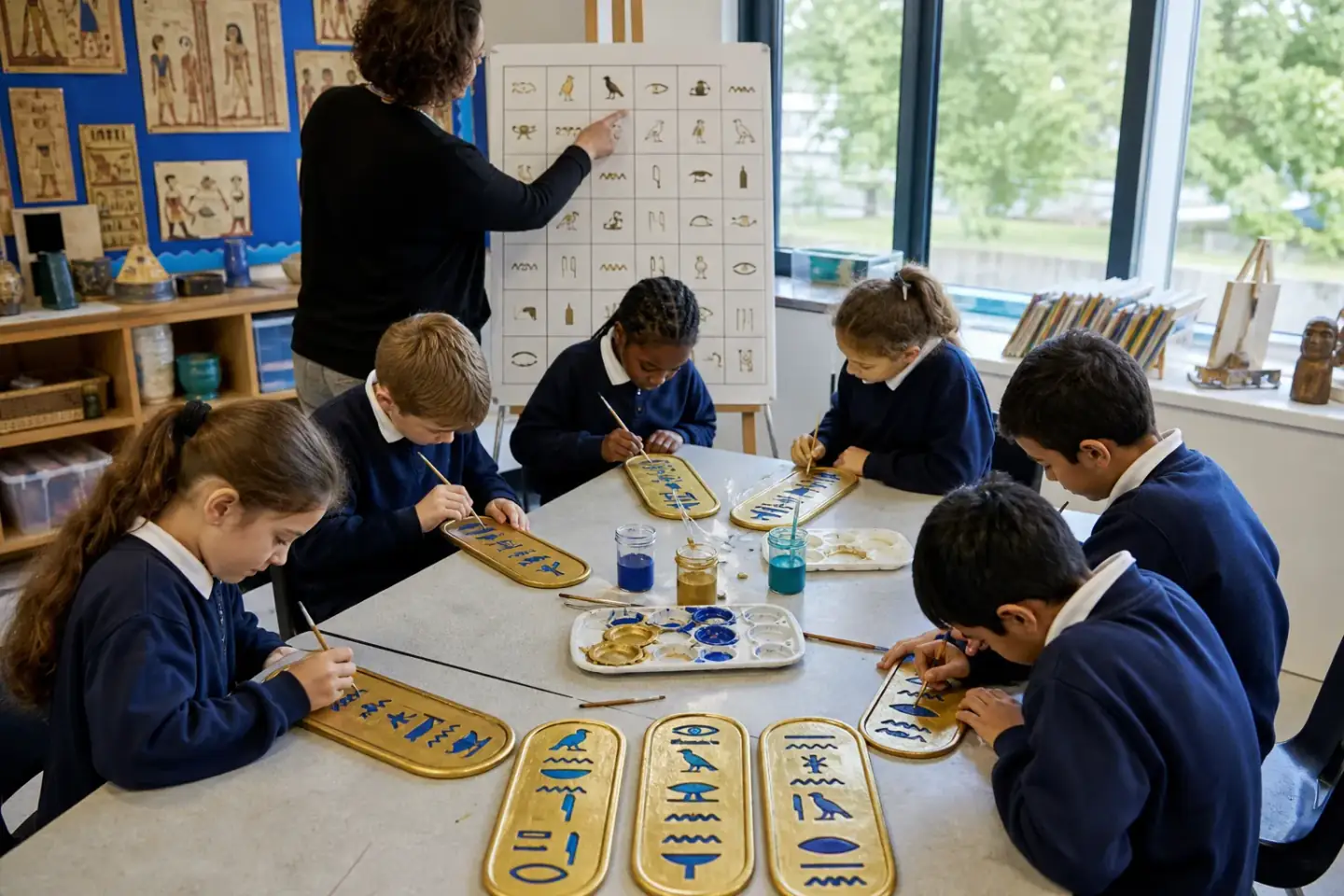 60–90 minutes per classEgyptian Cartouche PaintingHieroglyphic cartouches allow students to write their names like ancient Egyptian royalty.See the session
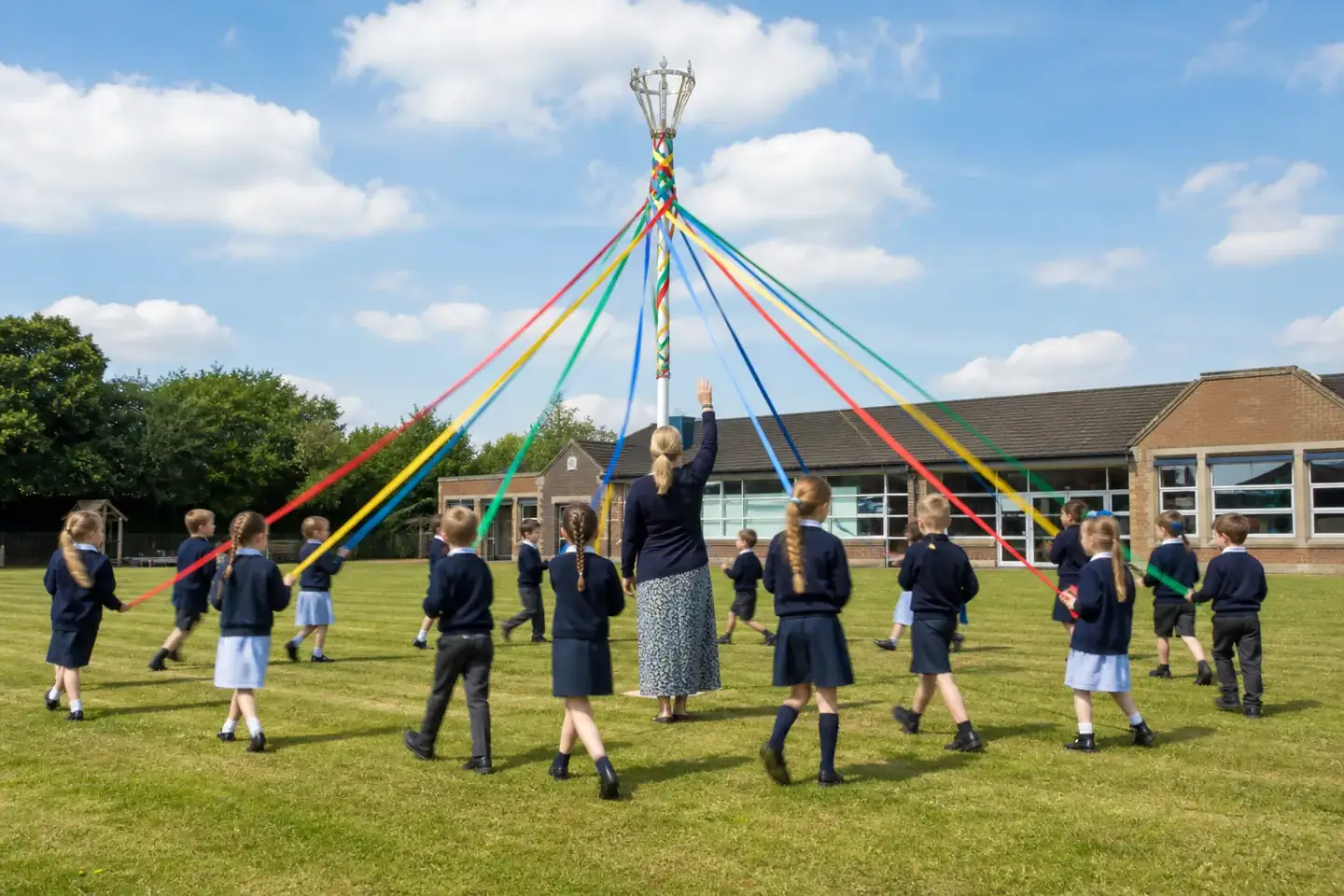 45–60 minutes per classMaypole DanceRibbons, weaving patterns and lively folk music.See the session
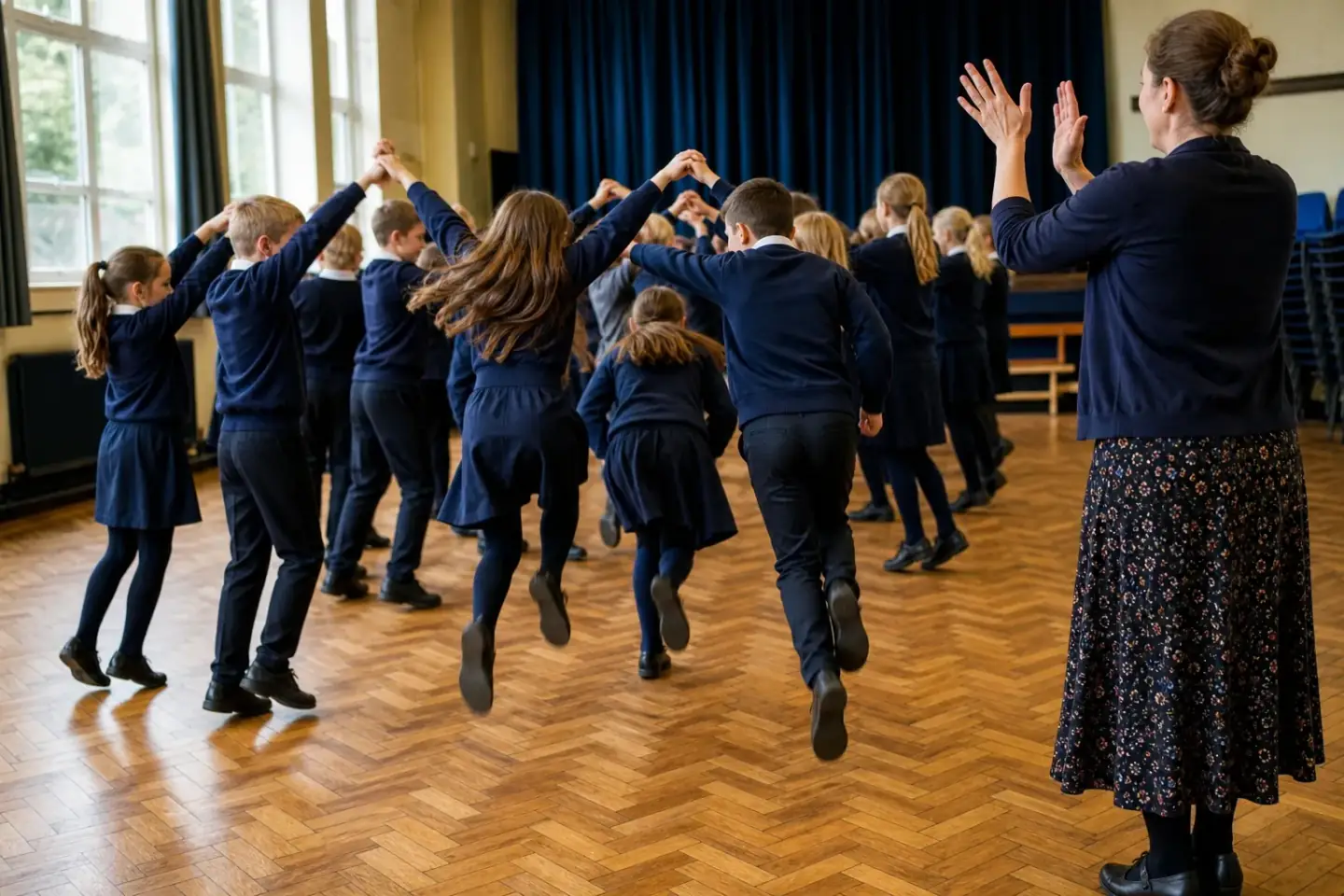 45–60 minutes per classIrish DanceOur Irish dance workshop brings the rhythm, footwork and heritage of Irish dance into your school.See the session
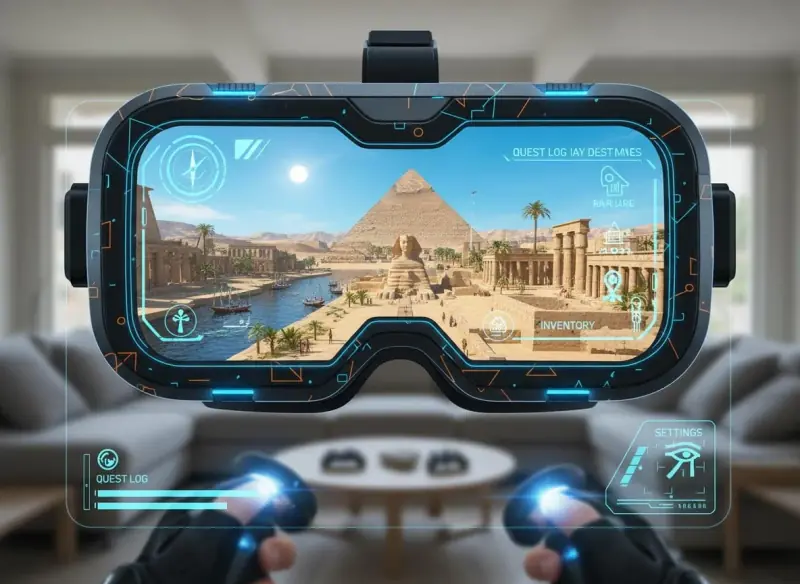 60 minutes per classAncient Egypt in VRCairo and the pyramids, pharaohs and gods, mummification and the Book of the Dead.See the session
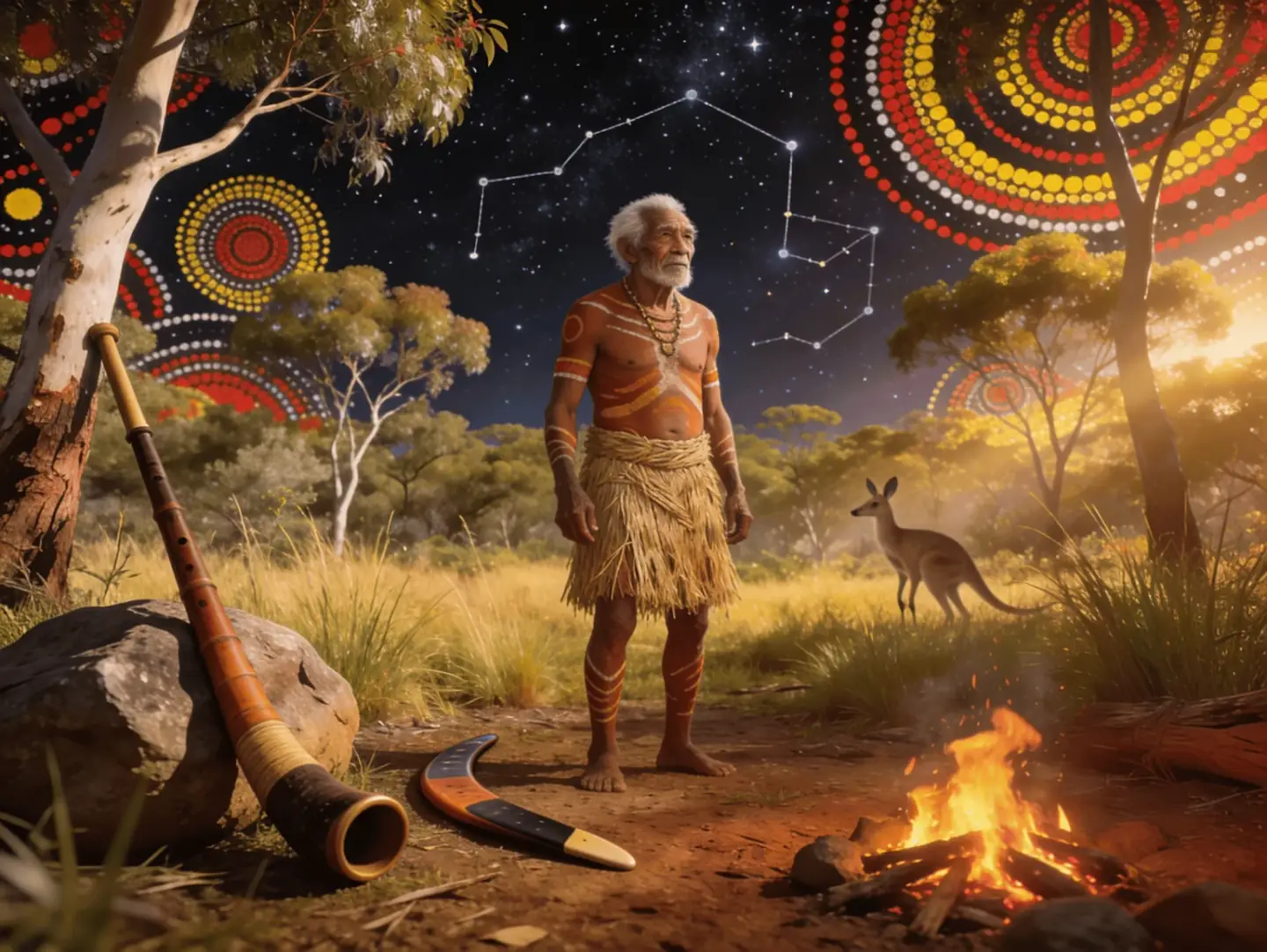 60 minutes per classIndigenous Australia in VRReal dances filmed in Far North Queensland, Australia.See the session
The Greek gods and the origins of the Olympics.
Tell us the date you have in mind and we'll come back within one working day with options for your school.