
21 May · Cultural Diversity
Irish Dance
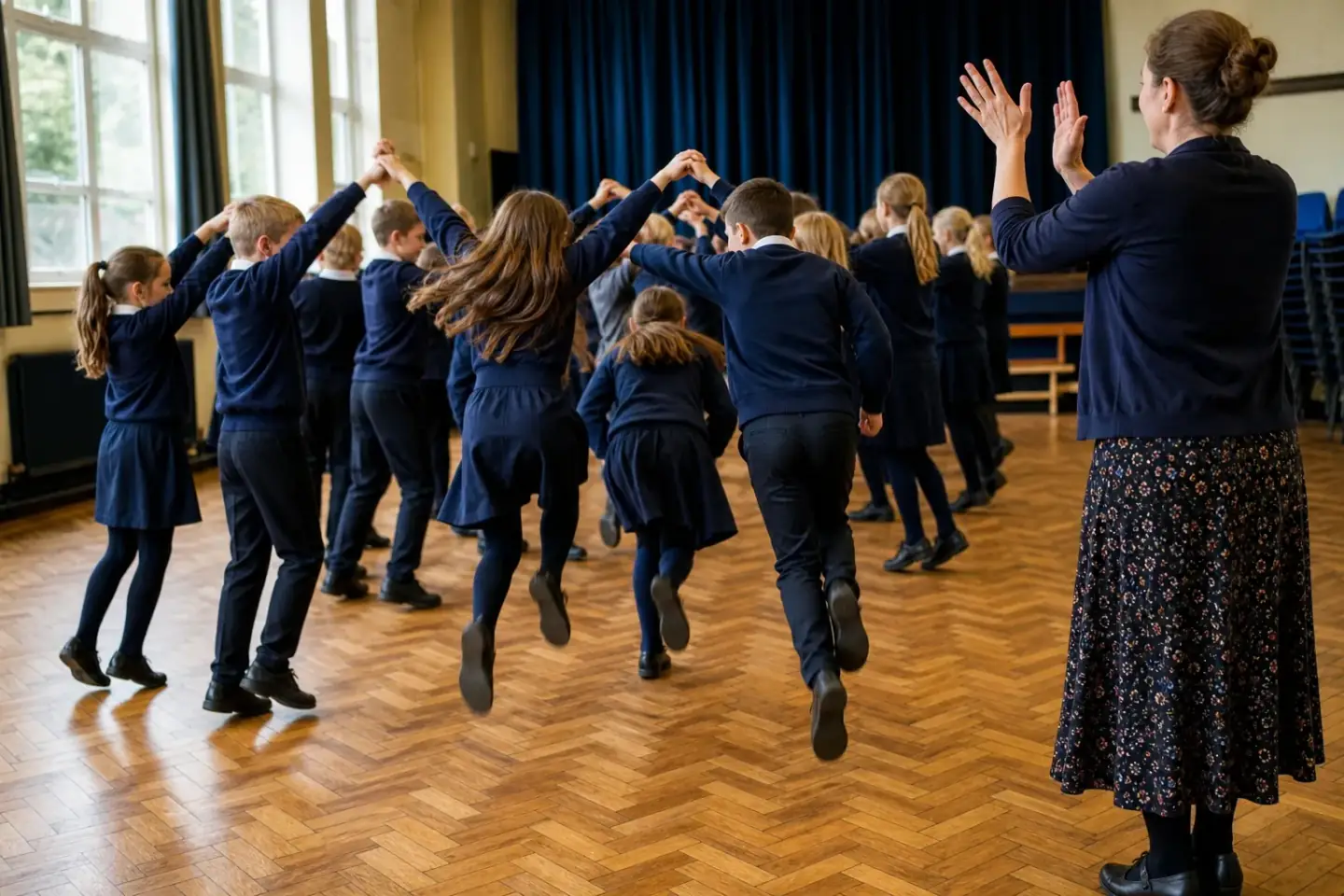
Our Irish dance workshop brings the rhythm, footwork and heritage of Irish dance into your school.
- Key stages
- EYFS to KS2
- Session length
- 45–60 minutes per class
- Group size
- Up to 30 per class, or 60 in a hall working in lines
- Formats
- Assembly, class sessions, or a full day with a showcase
How the session runs
Introduction
Where Irish dance comes from
The facilitator introduces Irish dance as an important part of Irish cultural heritage, explains that it takes different forms — social dancing and performance dancing — and gives the class the words the hour will use. Costume examples come out here too, so pupils can see what a dancer wears and why.
Warm-up
Into the rhythm
Traditional Irish music goes on and the class warms up, building as it goes: gentle jogging and skipping, then ankle, knee and hip movements, heel and toe work, and small jumps and hops. The upright posture and controlled arm position are practised here rather than corrected later, and simple movements settle everybody onto the beat.
Explore movement
Footwork and posture
Pupils learn simple Irish-inspired steps: hopping, stepping and small jumps, held to a strong steady rhythm with clear beats and the posture kept upright. Short movement patterns repeat, and travel forwards, backwards and sideways. Every movement is demonstrated slowly before the speed comes up, and pupils are asked to listen for the rhythm and name it.
Create and practise
Their own sequence
Groups build a short sequence from the steps they have learned, combining them with changes of direction and repeated patterns while staying together with the music. Speed and complexity are set by the age and ability of the class, and the more confident pupils are encouraged to invent a short step pattern of their own.
Performance
Perform it
Groups perform their sequences for one another, or the class dances a final sequence together. Good posture, accurate footwork, rhythm and confidence are what the facilitator draws out — and watching each other properly is part of it, not an afterthought.
Cool down
Stretch and reflect
Gentle stretches and slower movement to finish, then pupils reflect in pairs or on their own: what they learned about Irish dance, what made it different from other styles they know, what a reel, a jig, a céilí or a step is, what they found hard, and why rhythm and footwork matter so much in this tradition.
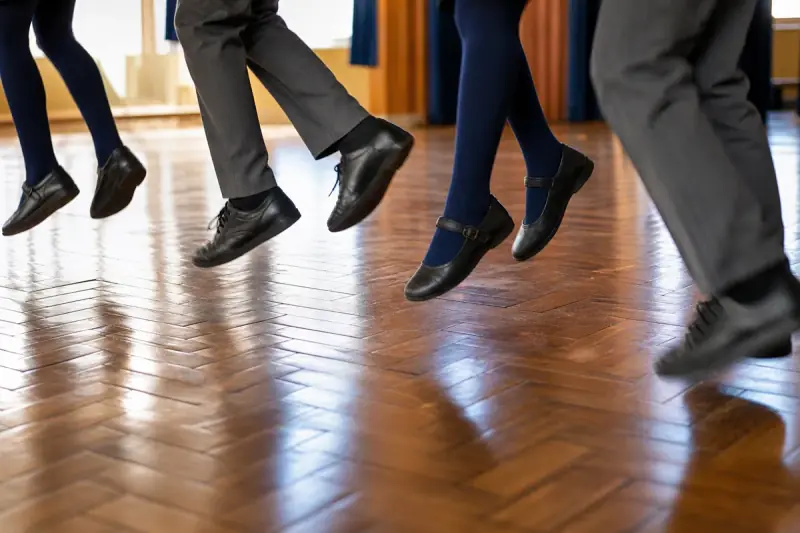
Pupils build their own sequence and perform it.
What pupils will learn
- That Irish dance has a long history and is an important part of Irish cultural heritage
- That the tradition includes both social dancing and performance dancing, and can be danced alone, in pairs or in groups
- What makes Irish dance recognisable: upright posture, precise footwork and rhythmic movement
- That step dancing developed into the highly structured style associated with Irish dance today, shaped by different cultures across Ireland's history
- That stage productions such as Riverdance carried Irish dance to an international audience
- The vocabulary — reel, jig, step, céilí, posture and rhythm — learned while dancing rather than written down
- Simple Irish step-dance movements: hopping, stepping and small jumps, travelling forwards, backwards and sideways
- Creating and practising a short sequence in a group, then performing it with rhythm, accuracy and confidence
Curriculum links
EYFS to KS2
- Dance within PE, KS1
- Perform dances using simple movement patterns, moving in time with the music and with others.
- Dance within PE, KS2
- Perform dances using a range of movement patterns, creating and refining a short sequence in a group.
- Music, KS2
- Listen with attention to a traditional style and identify its rhythm by ear, distinguishing a reel from a jig.
- PSHE and British Values
- Mutual respect: Irish heritage recognised as one of the cultures inside a British school community, not as a visitor to it.
What we bring
- A DBS-checked facilitator who dances this tradition and is used to teaching a full class from scratch
- Traditional Irish music — reels and jigs with a clear beat, chosen for the age group — and a portable speaker if you would rather not use your own
- A map of Ireland, photographs and clips of Irish dancers, and examples of Irish dance costume
- Visual cards showing the steps and movements, where they help a class
- Nothing for pupils to wear — plimsolls or trainers are all the footwear this needs
What we need from you
- A hall or open space with a swept, non-slip floor and room for a class to dance — a dusty hall floor is the commonest cause of a slip
- Pupils in PE kit with plimsolls or trainers, not socks
- A member of teaching staff with each class throughout
- A socket for the speaker, a screen or board if you would like the map and photographs shown large, and fifteen minutes before the first group
- A note in advance of any pupil who needs a seated or adapted version, so the steps are planned around them
When to book
21 May
World Day for Cultural Diversity for Dialogue and Development is a fixed date: 21 May every year.
Reviews for our workshop team
What schools say about our Cultural Diversity workshops
“What a great experience for the children! Ivan was amazing at keeping their interest and making the drumming session as active and exciting as possible.”
Demelza Jones “A great workshop. Fantastic resources and Chris was great with the children. They were engaged throughout and talked about it for ages afterwards. This is the third time we have used them and they never disappoint!”
Julie Gill “Fantastic workshops for primary school children - the facilitators Emma for African drumming and Naomi for dance workshops were friendly, skilled and provided a very enjoyable experience for the children. Thank you!”
Aleksandra Dass “We have had a number of experiences from the Education Group and are always impressed by the quality of the workshops. We return to them time after time because we know that the planning, content and age-appropriateness of their sessions are absolutely right for the children.”
Kate Baguley “Our infant school aged pupils enjoyed the Maypole experience and were amazed to see the maypole in the middle of their playground. The teacher was fantastic with our young children and we all managed to come away from our sessions feeling we had learnt something rather wonderful!”
St Peter's “Highly recommend the African mask workshop! It's one of the highlights of the Year 5 calendar. Well worth every penny”
Joanne Netto
Questions schools ask
Is this Riverdance?
Riverdance is where most people first met Irish dance, and the facilitator uses it as a way in. What pupils learn is simple step-dance movement — the posture, the footwork and the rhythm the style is built on — rather than the stage choreography itself, which takes years of training. That distinction is explained honestly to the class.
Do pupils need Irish dance shoes?
No. Plimsolls or trainers are fine, and the soft-shoe footwork is designed for ordinary shoes on an ordinary floor. Nothing needs to be bought or borrowed for this session.
What music is used?
Traditional Irish music throughout, reels and jigs chosen for a clear beat and a tempo that suits the age group. We bring it with us, along with a speaker if you would rather not use your own.
Why is Irish dance on a cultural diversity day?
Because Irish heritage is part of the British classroom rather than something outside it. Putting it in the day alongside African, Chinese and South Asian traditions makes the honest point: every culture in the room is one of the cultures in the room, including the ones from these islands.
Can a whole school do this in one day?
Comfortably. Class sessions through the day, then a showcase at the end where groups perform the sequences they built. Send us your timetable and we will build the running order round your break and lunch slots.
The other Cultural Diversity sessions
All of Cultural Diversity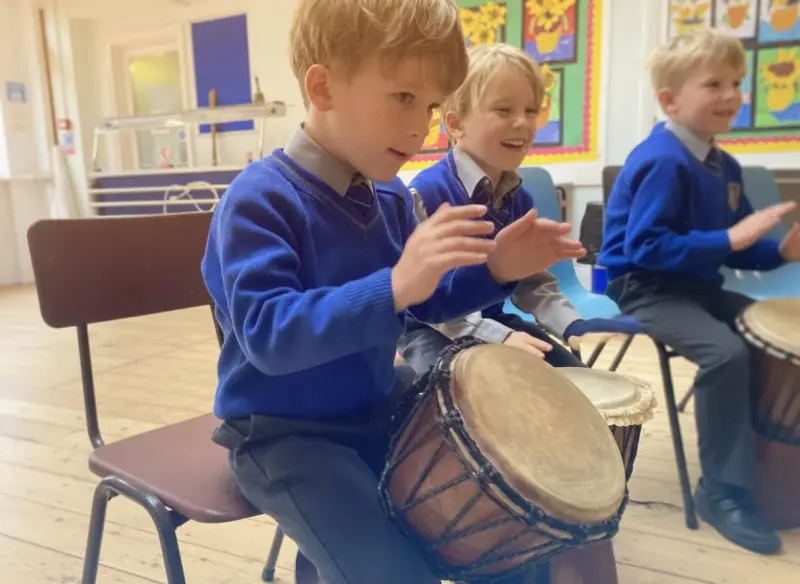 45–60 minutes per classAfrican DrummingThirty pupils, thirty drums, one rhythm.See the session
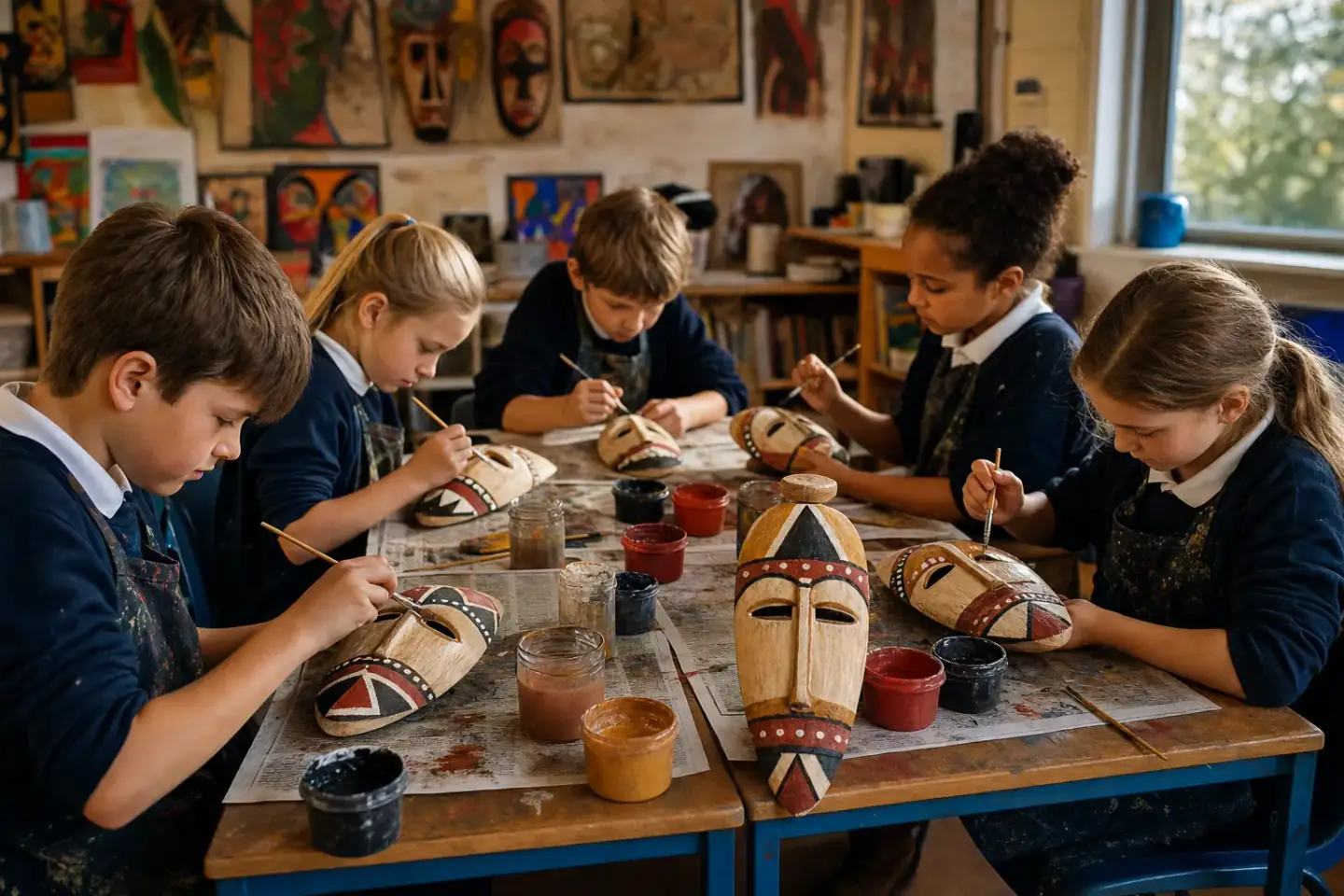 60–90 minutes per classAfrican Mask PaintingCreate African masks with intricate geometric designs.See the session
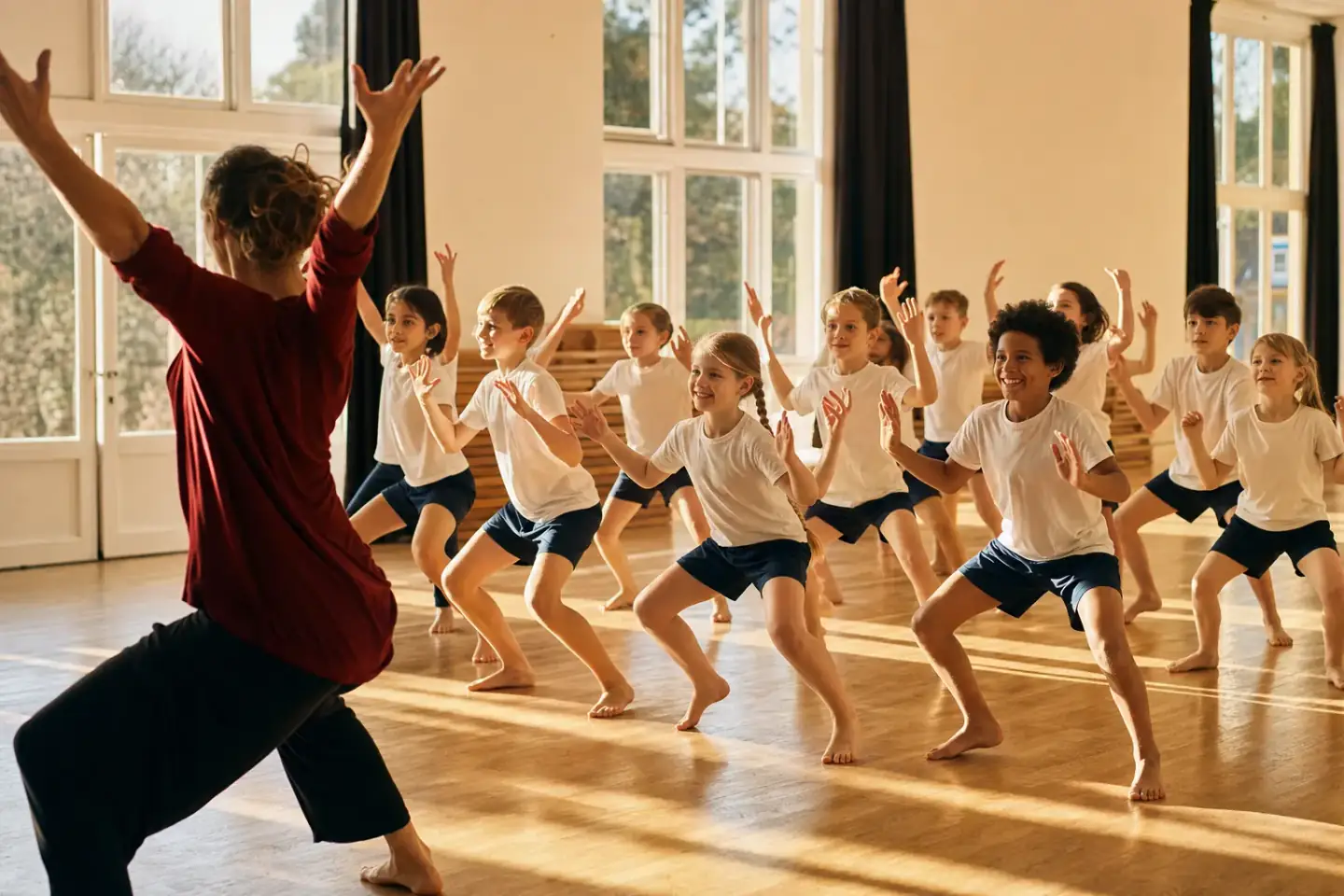 45–60 minutes per classAfrican DanceDiscover African history and culture through authentic dance.See the session
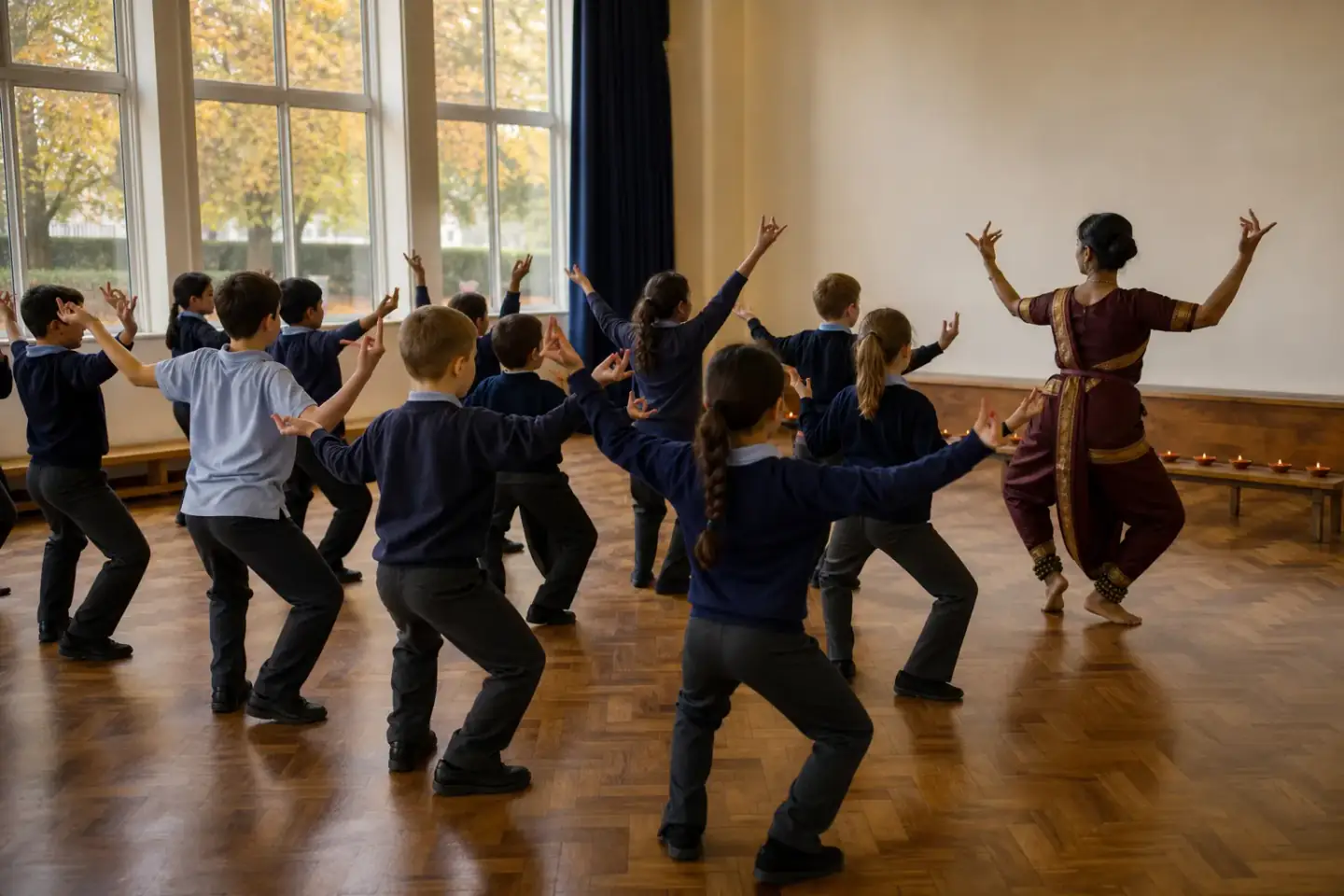 45–60 minutes per classIndian DanceExpress yourself through the graceful moves and rich traditions of Indian dance.See the session
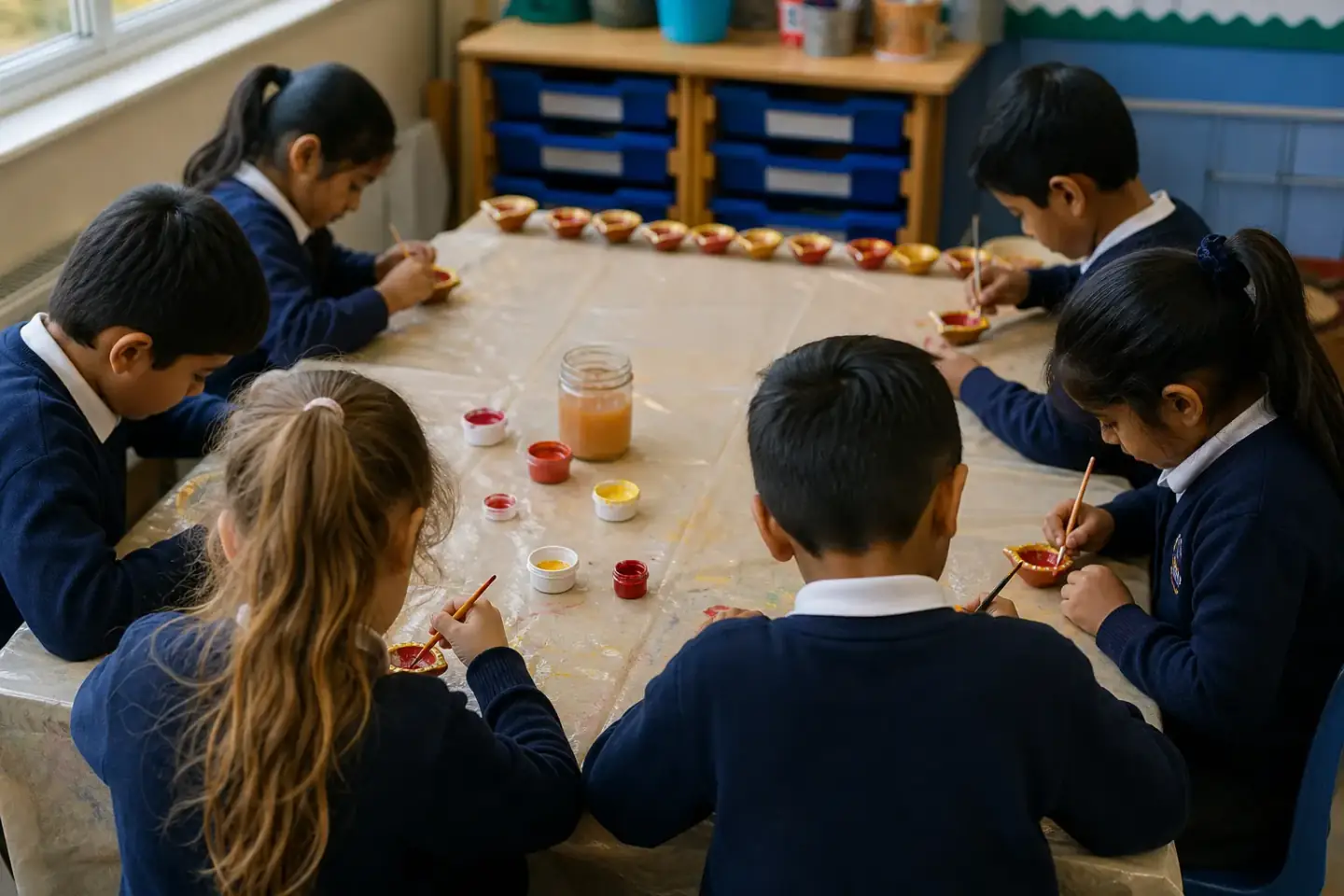 60–90 minutes per classDiya PaintingAdd your personal touch to the festival with a creative diya painting experience.See the session
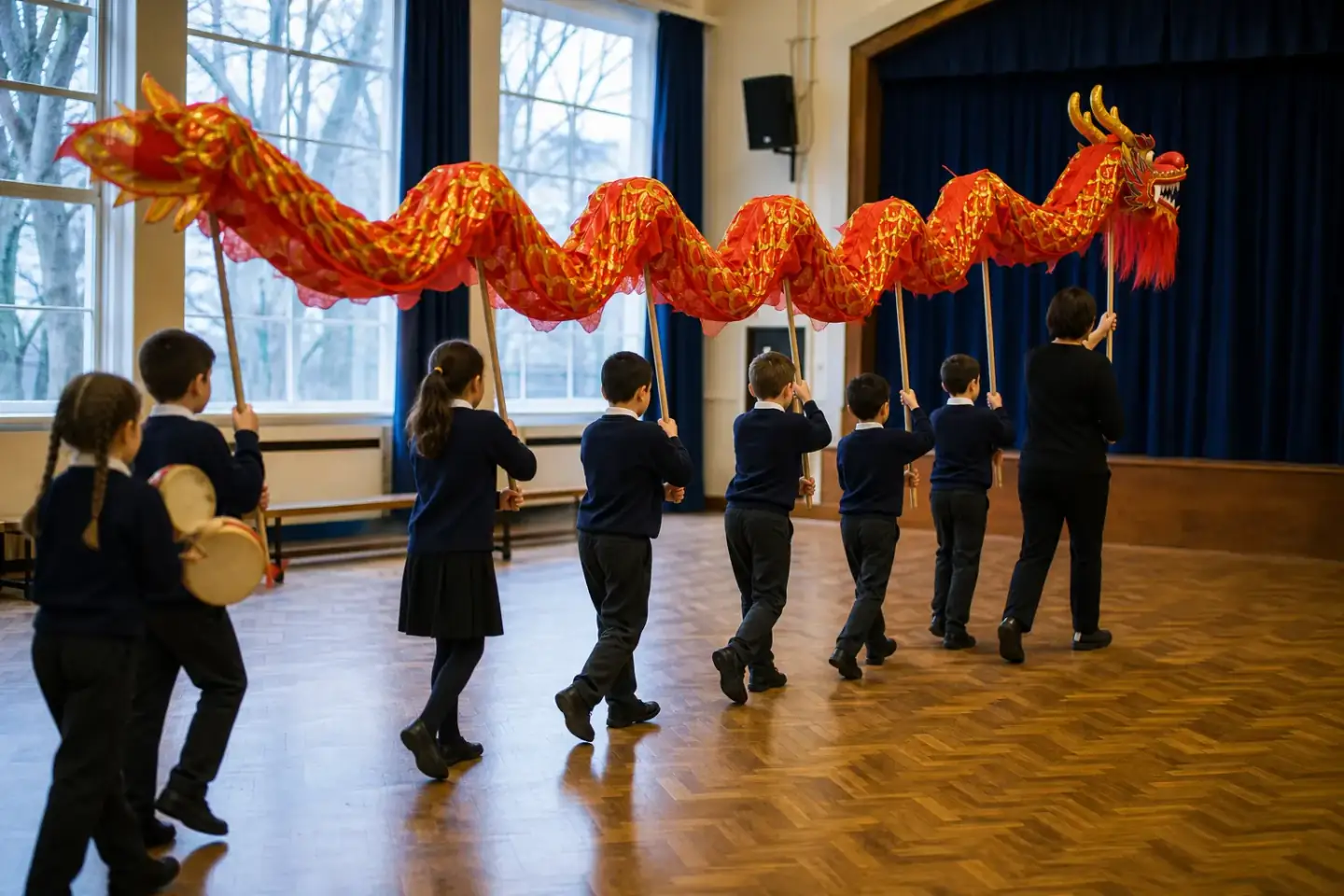 45–60 minutes per classChinese Dragon DanceStep into the vibrant traditions of Chinese culture with our exhilarating Chinese Dragon Dance workshop.See the session
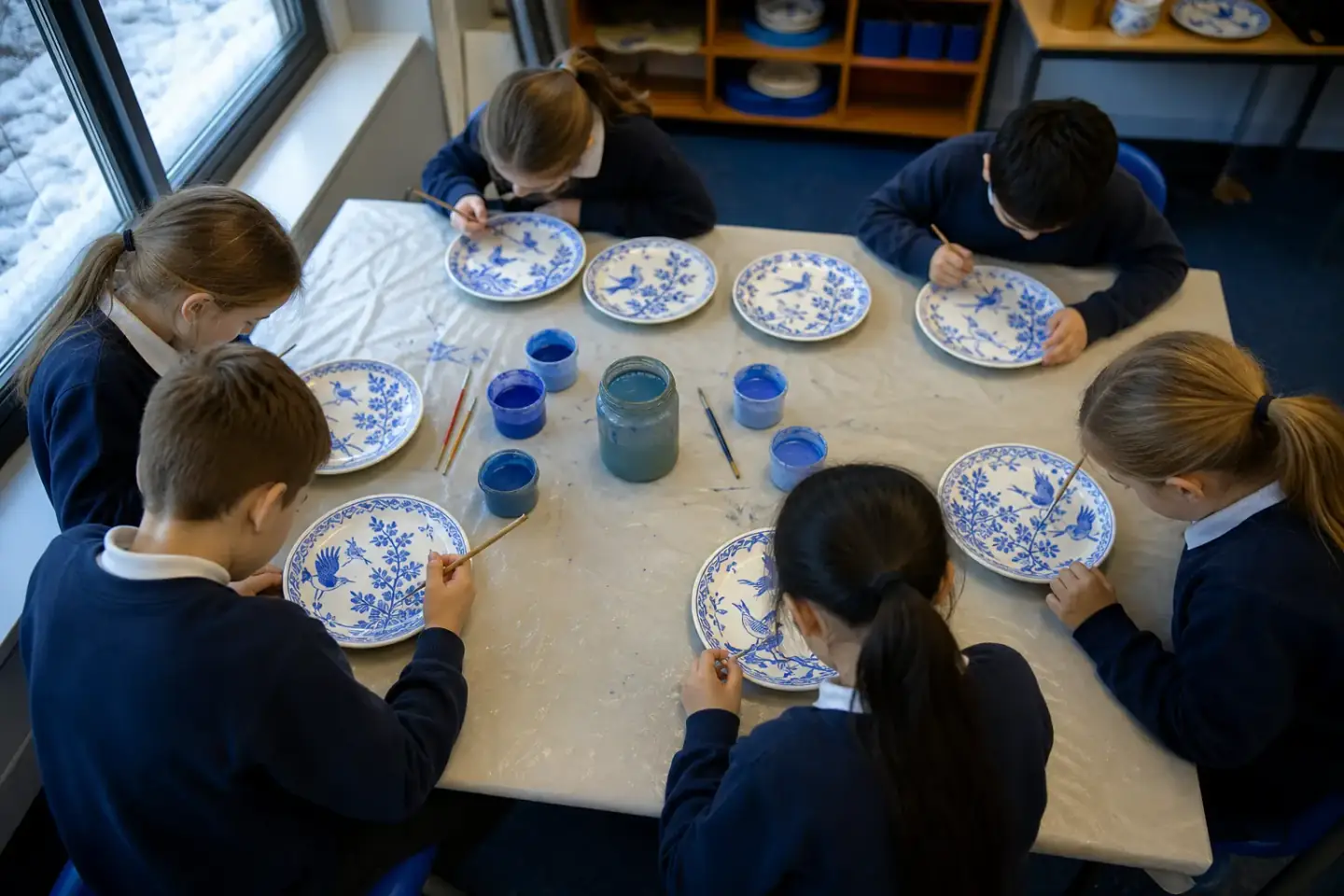 60–90 minutes per classChinese Plate PaintingEach child has the opportunity to create their own unique design.See the session
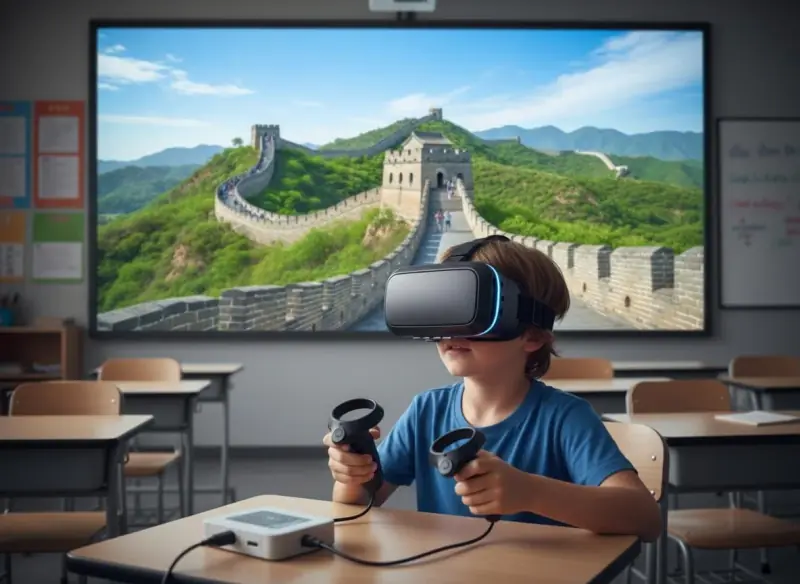 60 minutes per classAncient China in VRDiscover the twelve animals of the Zodiac and the story of the Great Race.See the session
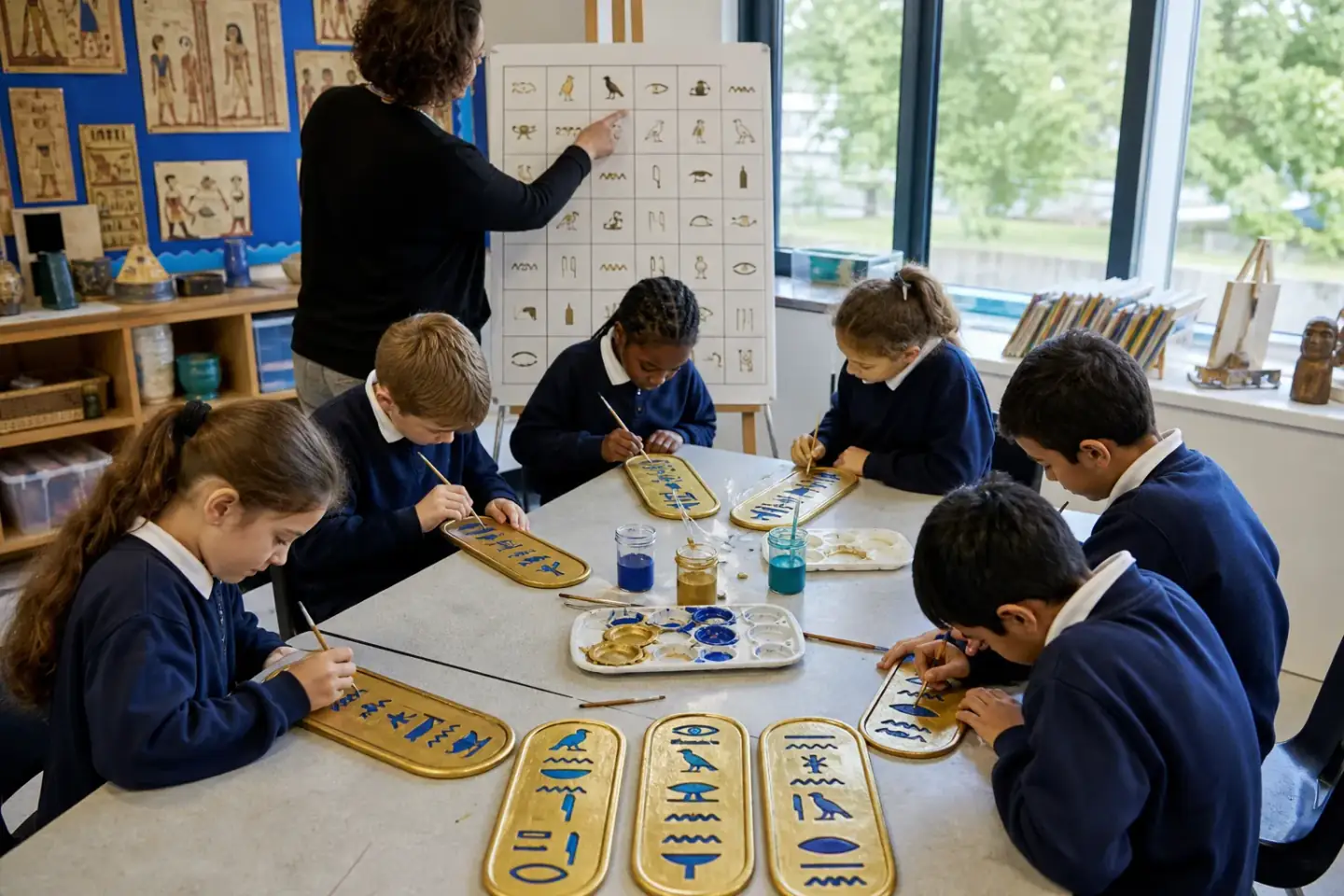 60–90 minutes per classEgyptian Cartouche PaintingHieroglyphic cartouches allow students to write their names like ancient Egyptian royalty.See the session
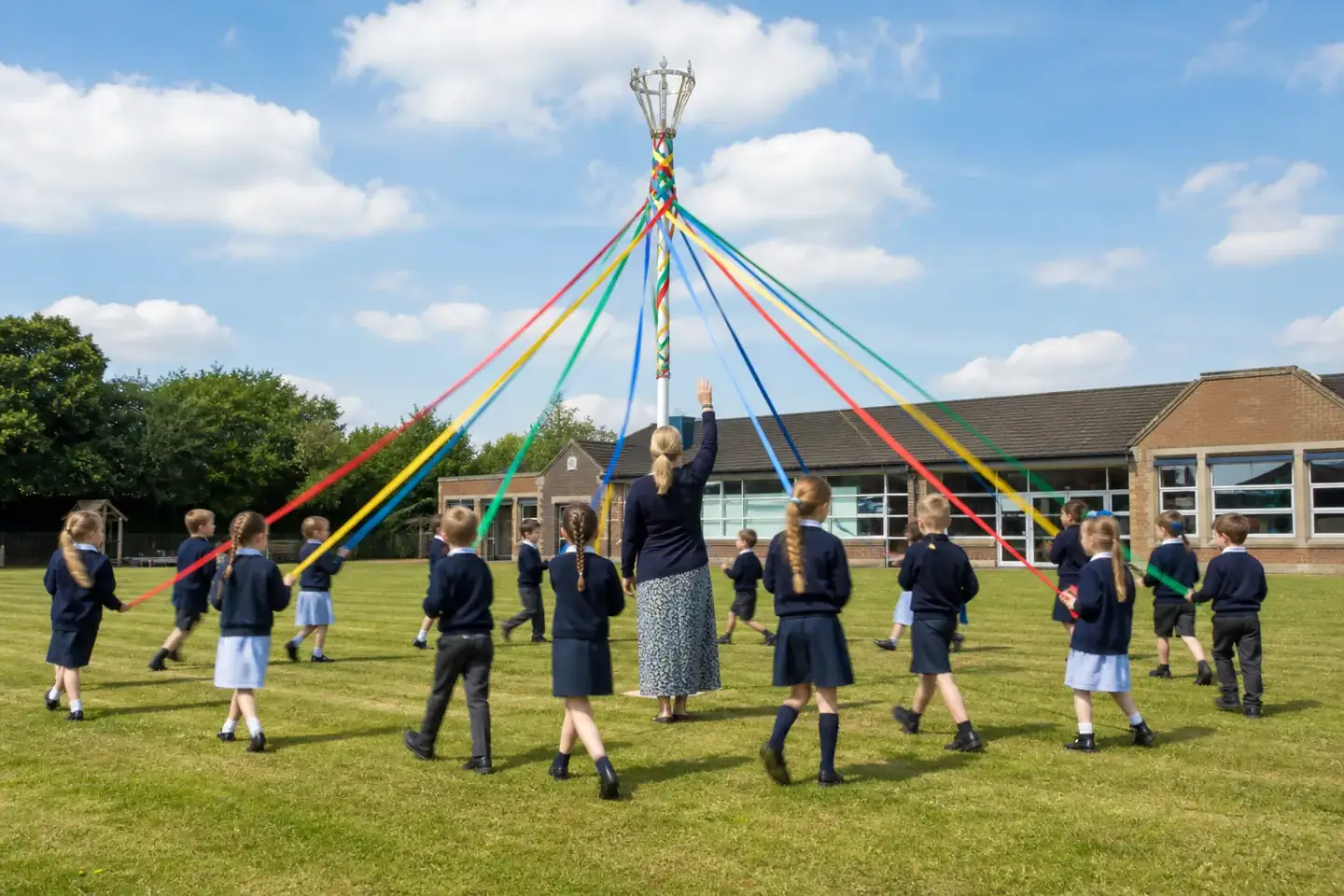 45–60 minutes per classMaypole DanceRibbons, weaving patterns and lively folk music.See the session
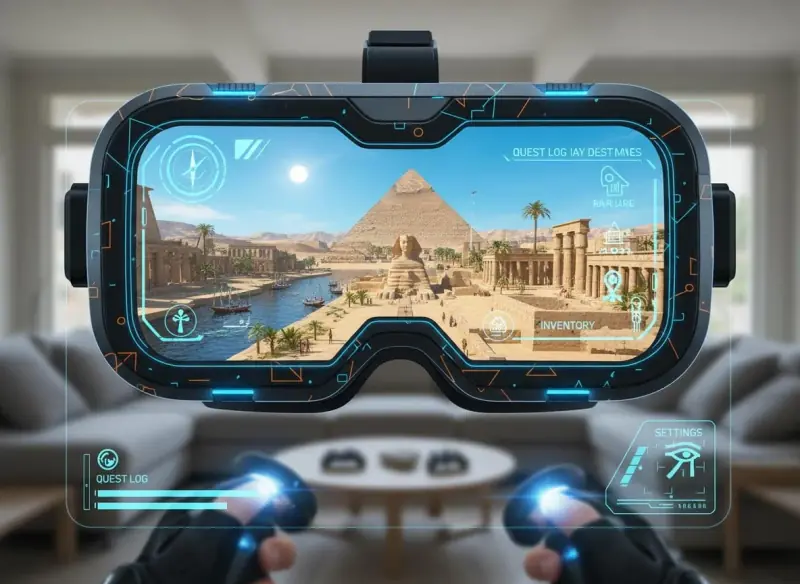 60 minutes per classAncient Egypt in VRCairo and the pyramids, pharaohs and gods, mummification and the Book of the Dead.See the session
 60 minutes per classAncient Greece in VRThe Greek gods and the origins of the Olympics.See the session
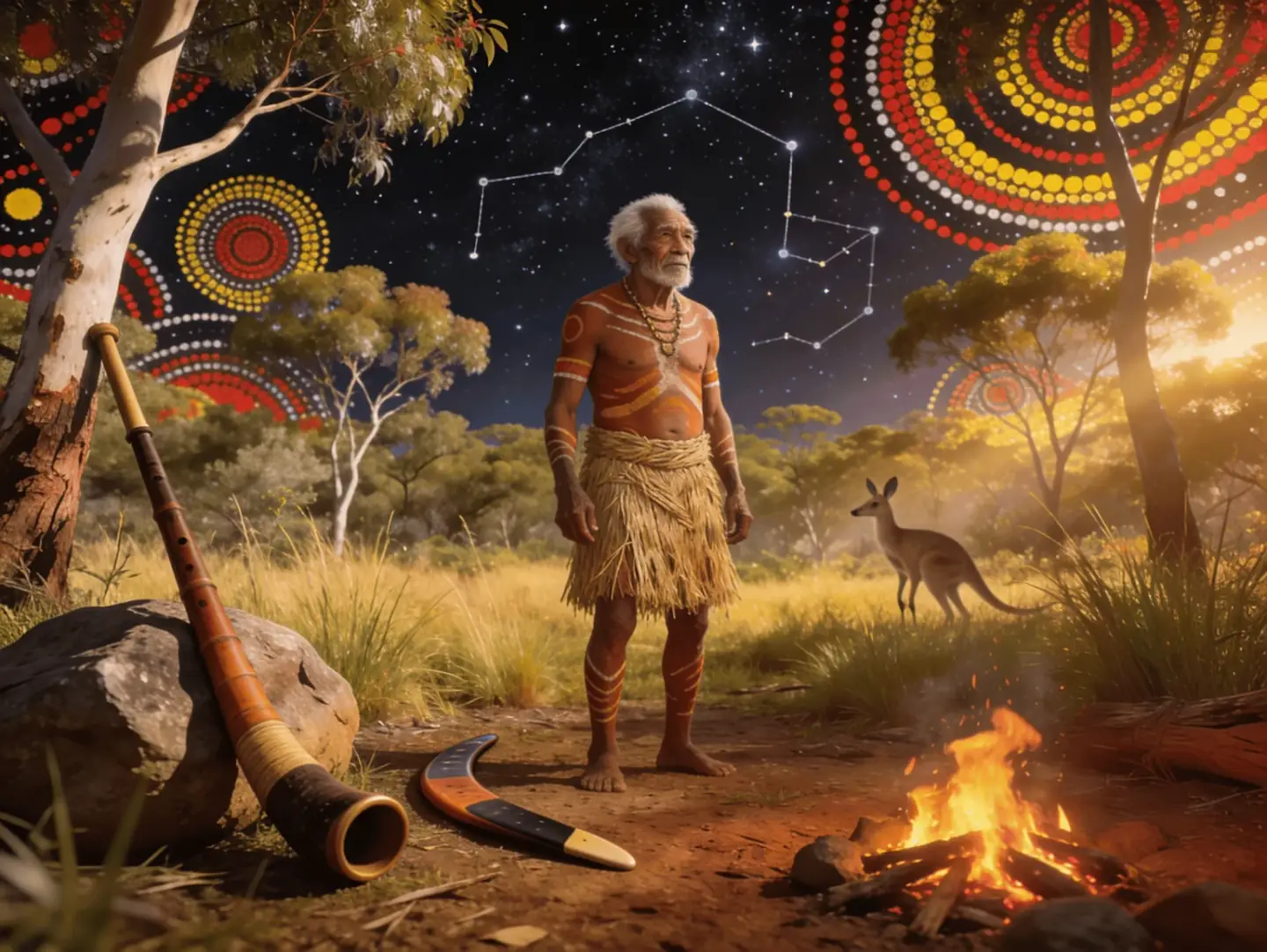 60 minutes per classIndigenous Australia in VRReal dances filmed in Far North Queensland, Australia.See the session
Our Irish dance workshop brings the rhythm, footwork and heritage of Irish dance into your school.
Tell us the date you have in mind and we'll come back within one working day with options for your school.