
21 May · Cultural Diversity
Egyptian Cartouche Painting
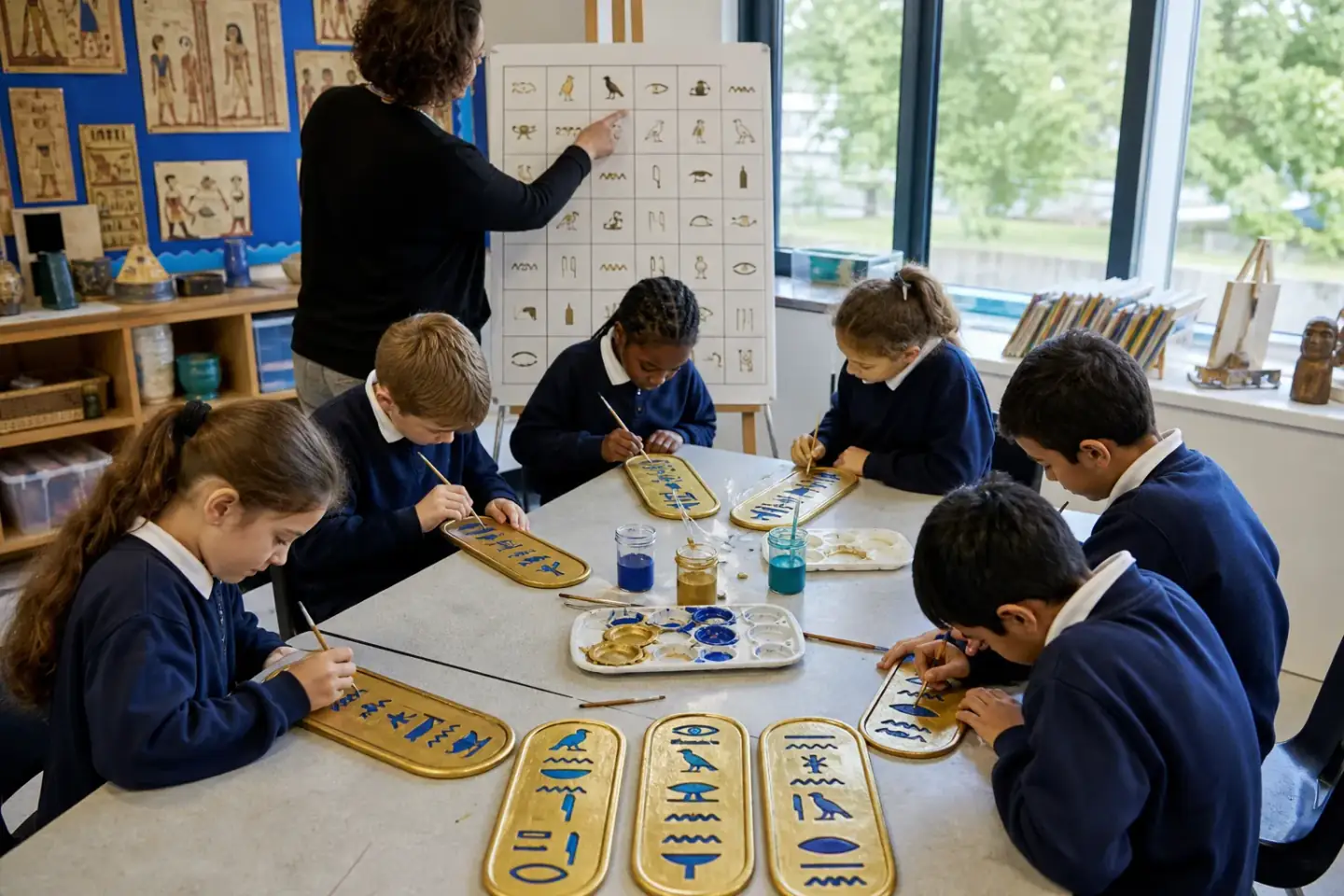
Hieroglyphic cartouches allow students to write their names like ancient Egyptian royalty.
- Key stages
- KS1 to KS2
- Session length
- 60–90 minutes per class
- Group size
- Up to 30 pupils per group
- Formats
- A single class, a year-group carousel, or a full day
How the session runs
Introduction
What a cartouche is for
Tables are covered and each pupil has a cartouche, a hieroglyphic example sheet, a pencil and a brush in front of them. Names go on the back before anything else. The facilitator then explains what they are holding: a naming plate carrying a royal or divine name, ringed by a looped rope with the magical power of protecting the name and the person inside — good luck on a tombstone, and a way for the BA and the KA to find their way home to the tomb.
Sketching
Their name in pencil
Using the example sheet, pupils work out the hieroglyphics of their own name and sketch them in pencil. The facilitator's attention here goes on spacing and size, because the signs need to sit evenly in the middle of the cartouche — get that right and everything painted afterwards looks deliberate.
Painting the signs
Each one its own colour
With the smallest brush, pupils paint each hieroglyph in a different colour. Changing colour properly is taught as part of it: a gentle rinse in water, then dried on the cloth at their place, so the next colour goes on clean.
The edge
Paint the outside
The outside edge of the cartouche is painted next, which frames the name and settles the whole panel down. The facilitator works step by step through this stage so nobody puts a hand into wet paint on their way across the table.
Outlining
Black around every sign
A very little black paint goes around the outside edge of each hieroglyph, and it is the pass that makes the name legible from across a room. Then the rope effect is painted in black around the cutting edge of the cartouche — and the facilitator links it straight back to the protecting rope discussed at the start.
Finishing
Dots and a pattern
The last few minutes go on finishing: dots or a pattern around the outside edge, however each pupil wants theirs to end. The cartouches are then carried carefully somewhere flat to dry for half an hour or more.
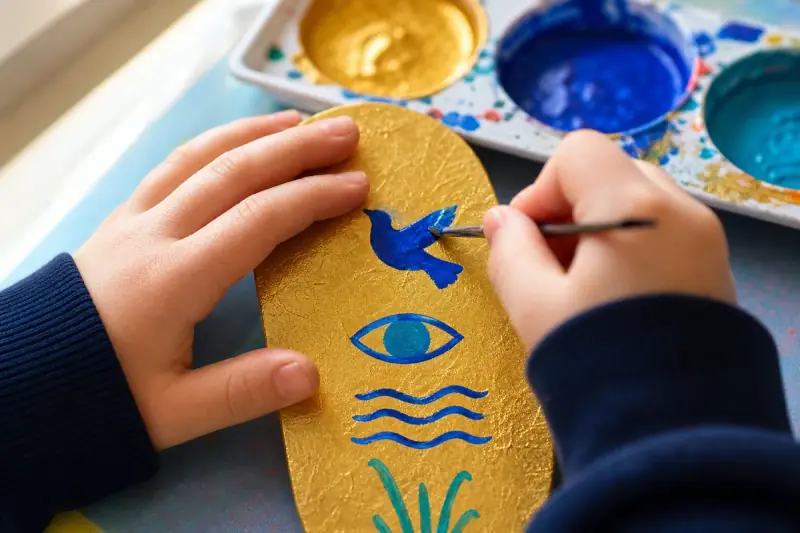
The rope is not a border. Egyptians believed it protected the name inside it.
What pupils will learn
- What a cartouche is: a naming plate carrying a royal or divine name written in hieroglyphics
- That the looped rope around the name was believed to protect the name and the person inside it
- Why a cartouche on a tombstone was considered good luck, protecting the soul from evil spirits in life and after death
- That a naming plate was placed on the coffin so the two souls, the BA and the KA, could find their way back to the tomb
- How to write their own name in hieroglyphs from an example sheet, spaced and sized to fit the cartouche
- Sketching in pencil before committing to paint, and why that order matters on a small surface
- Fine brushwork: painting individual signs, then outlining in black to make the whole name legible
- Brush care — rinsing gently and drying on a cloth so each colour stays clean
Curriculum links
KS1 to KS2
- History, KS2
- The achievements of the earliest civilizations, with Ancient Egypt as a depth study: how a name was recorded, protected and expected to outlast a life.
- English, KS2
- How a writing system maps symbols to sounds, and what it takes to write a familiar name in an unfamiliar script.
- Art and Design, KS2
- Design within a fixed shape: sketching in pencil, painting fine detail, then outlining to make a design legible.
- PSHE and British Values
- Names as part of who somebody is, and respect for the languages and alphabets pupils in the class read and write at home.
What we bring
- A cartouche for every pupil, with spares
- A hieroglyphic example sheet each, so nobody is guessing at their own name
- Paints, small brushes and pencils, plus the black used for the outlining and the rope effect
- Tablecloths to cover every surface pupils paint on, cloths and kitchen roll for cleaning brushes, and water cups within arm's reach
- An apron for every child, handed to the organiser at the start of the day
- A DBS-checked facilitator who explains what a cartouche is for before anybody paints
What we need from you
- Tables the class can sit round in groups of about six, and floor covering if the room is carpeted
- Pupils arriving with sleeves rolled up, ready to put an apron on
- A sink in the room, or clean water for refilling the cups between classes
- A member of teaching staff with the class throughout
- Somewhere flat where thirty cartouches can dry for half an hour or more
- A class list of first names in advance if you would like the example sheets checked beforehand — long names are better decided before the lesson than during it
When to book
21 May
World Day for Cultural Diversity for Dialogue and Development is a fixed date: 21 May every year.
Reviews for our workshop team
What schools say about our Cultural Diversity workshops
“What a great experience for the children! Ivan was amazing at keeping their interest and making the drumming session as active and exciting as possible.”
Demelza Jones “A great workshop. Fantastic resources and Chris was great with the children. They were engaged throughout and talked about it for ages afterwards. This is the third time we have used them and they never disappoint!”
Julie Gill “Fantastic workshops for primary school children - the facilitators Emma for African drumming and Naomi for dance workshops were friendly, skilled and provided a very enjoyable experience for the children. Thank you!”
Aleksandra Dass “We have had a number of experiences from the Education Group and are always impressed by the quality of the workshops. We return to them time after time because we know that the planning, content and age-appropriateness of their sessions are absolutely right for the children.”
Kate Baguley “Our infant school aged pupils enjoyed the Maypole experience and were amazed to see the maypole in the middle of their playground. The teacher was fantastic with our young children and we all managed to come away from our sessions feeling we had learnt something rather wonderful!”
St Peter's “Highly recommend the African mask workshop! It's one of the highlights of the Year 5 calendar. Well worth every penny”
Joanne Netto
Questions schools ask
Can pupils take the cartouche home the same day?
Yes, as long as there is somewhere flat for them to dry for half an hour or more after the session. They are dry to the touch well before home time.
Is spelling an English name in hieroglyphs actually accurate?
It is a sensible approximation, and pupils are told so rather than left with a false impression. Egyptian writing left out most vowels and had no sign for some English sounds, so the example sheet we use is a modern convention — and explaining why is one of the best parts of the session.
Does it fit the Year 3 or Year 4 Egypt topic?
Yes, and plenty of schools book it into the topic rather than the diversity day. Tell us where the class has got to and the facilitator pitches the historical content to match instead of repeating what they already know.
How does Ancient Egypt belong on a cultural diversity day?
Through writing and through names. Every pupil writes their own name in a script invented by somebody else, which is a direct way into how much a name carries — and a class that already reads and writes in more than one script recognises that immediately.
What do the youngest pupils do?
KS1 pupils spell a first name only, work from a shorter example sheet and use bigger brushes, and the session runs closer to sixty minutes than ninety. The facilitator does more of the outlining with them so the finished panel still reads cleanly.
The other Cultural Diversity sessions
All of Cultural Diversity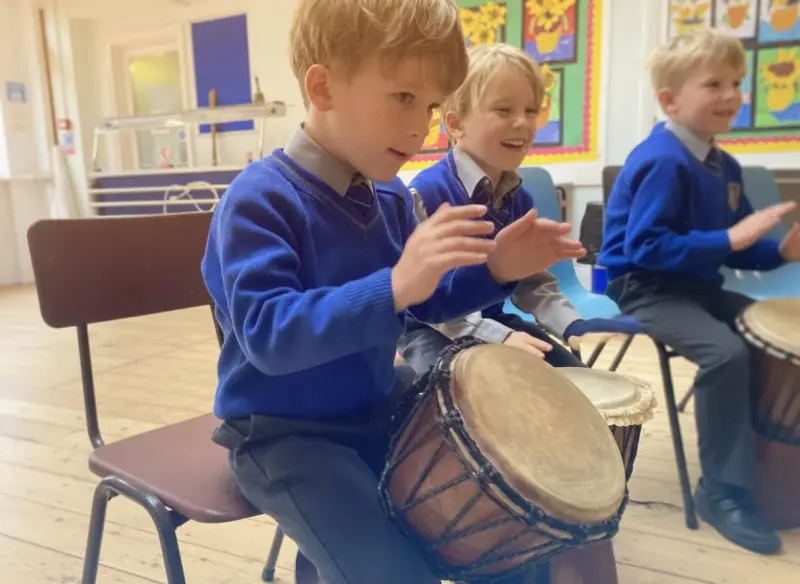 45–60 minutes per classAfrican DrummingThirty pupils, thirty drums, one rhythm.See the session
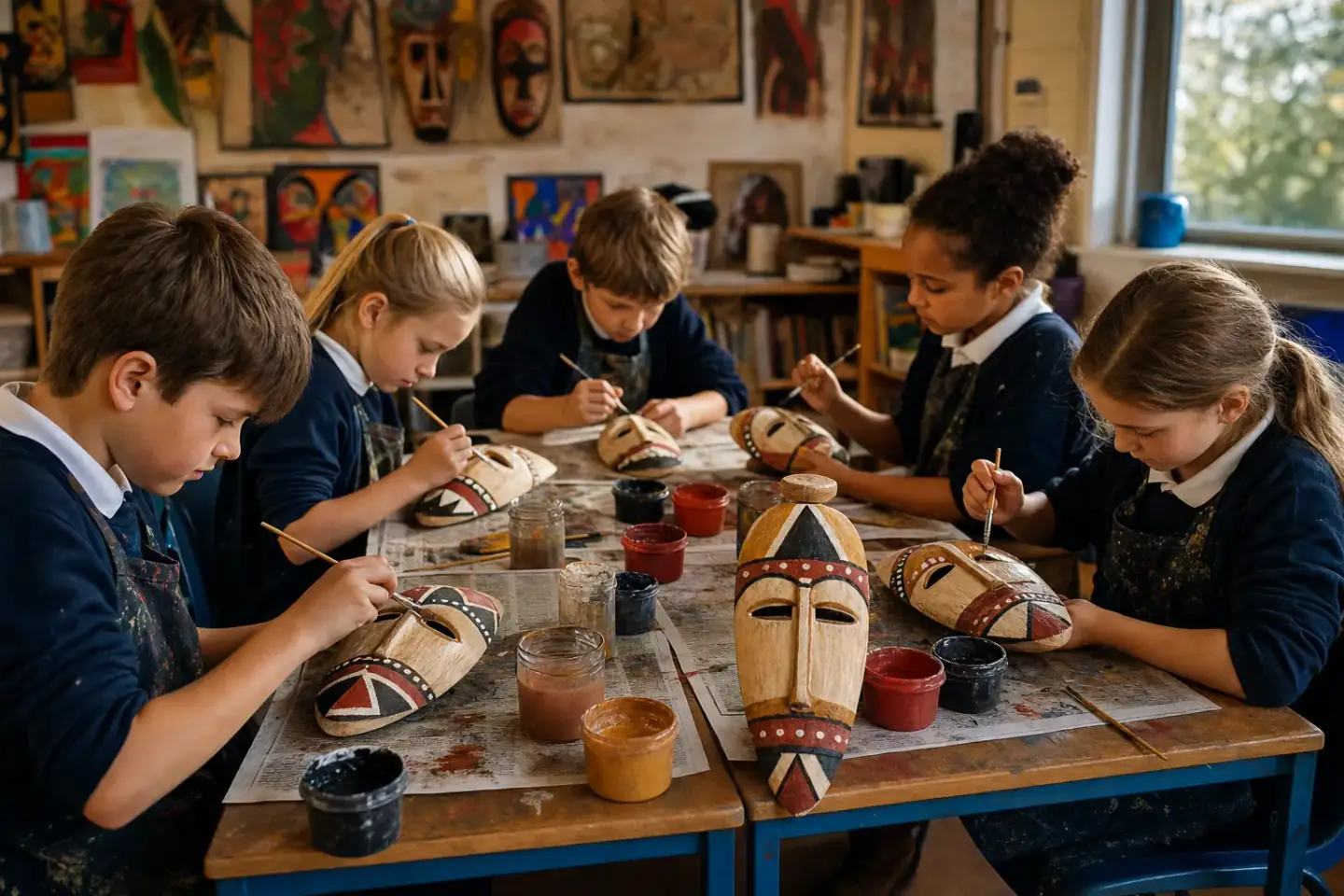 60–90 minutes per classAfrican Mask PaintingCreate African masks with intricate geometric designs.See the session
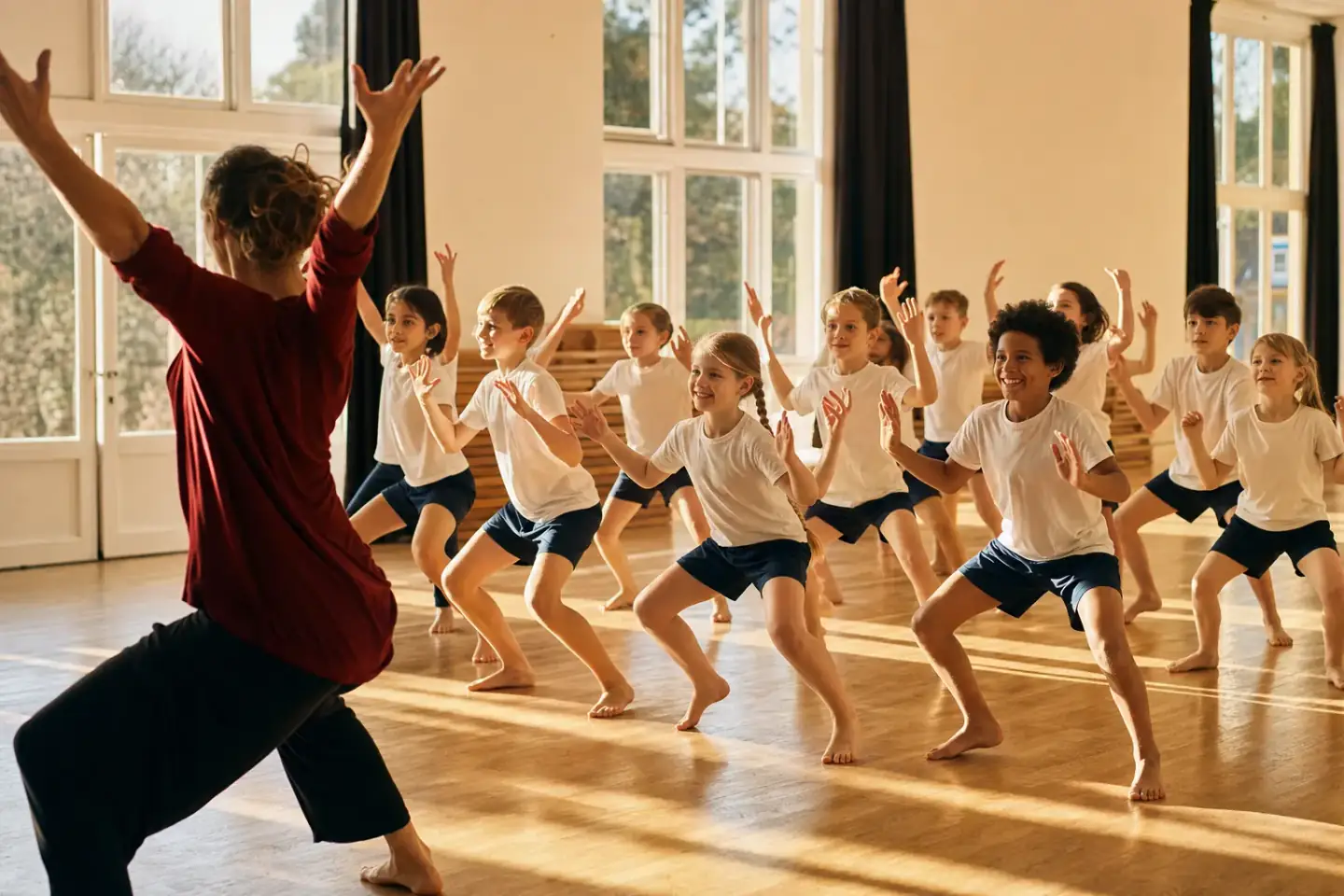 45–60 minutes per classAfrican DanceDiscover African history and culture through authentic dance.See the session
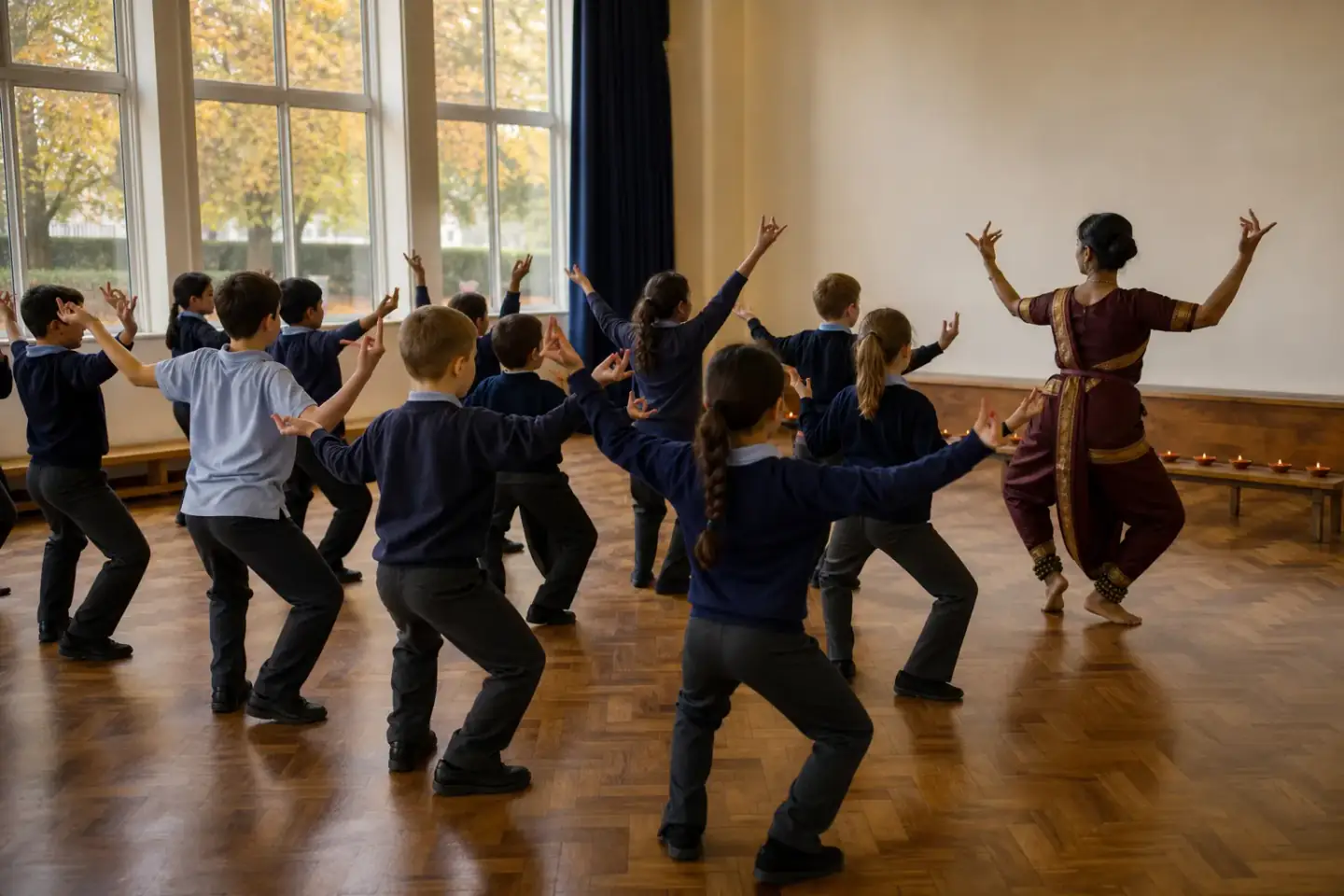 45–60 minutes per classIndian DanceExpress yourself through the graceful moves and rich traditions of Indian dance.See the session
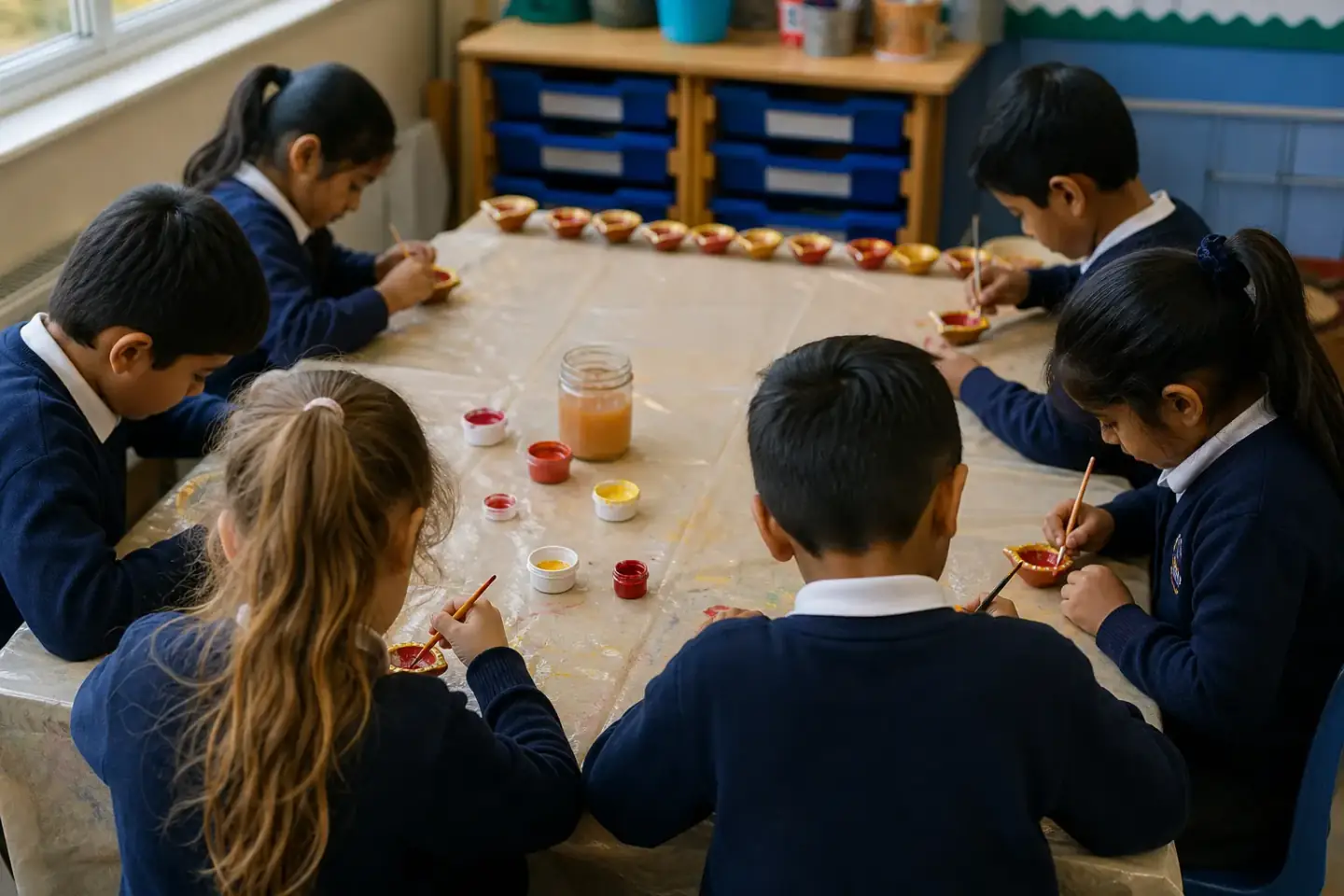 60–90 minutes per classDiya PaintingAdd your personal touch to the festival with a creative diya painting experience.See the session
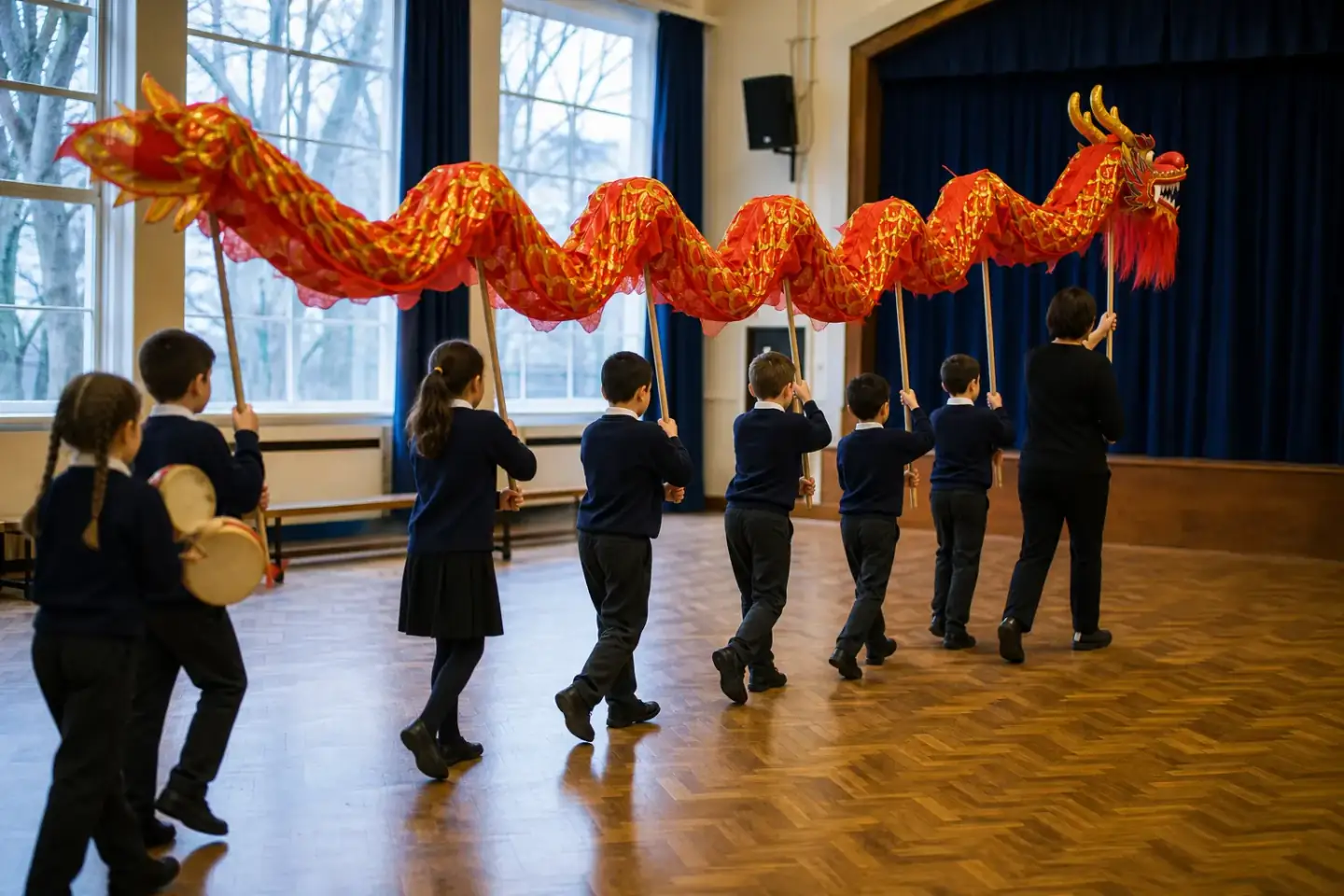 45–60 minutes per classChinese Dragon DanceStep into the vibrant traditions of Chinese culture with our exhilarating Chinese Dragon Dance workshop.See the session
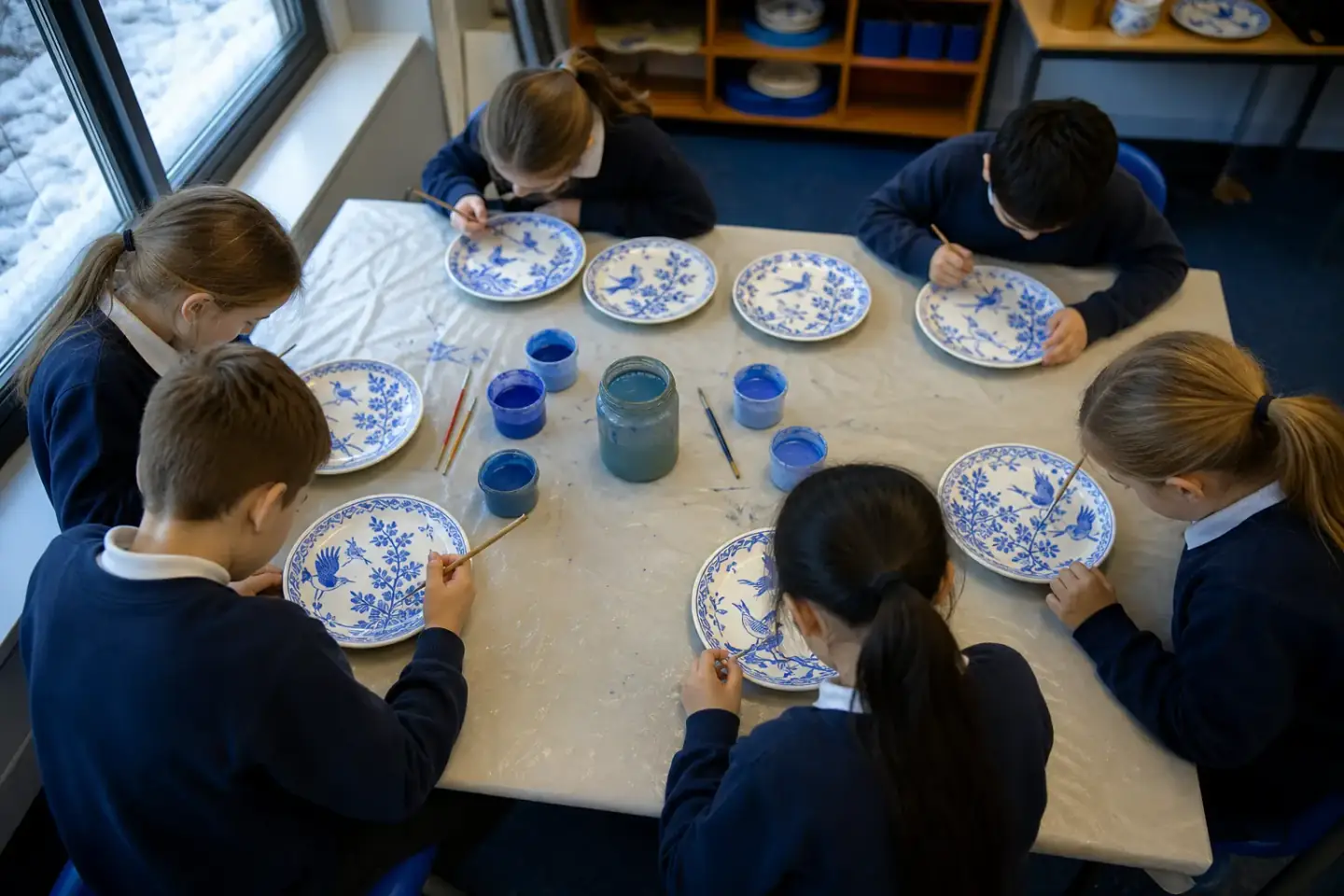 60–90 minutes per classChinese Plate PaintingEach child has the opportunity to create their own unique design.See the session
 60 minutes per classAncient China in VRDiscover the twelve animals of the Zodiac and the story of the Great Race.See the session
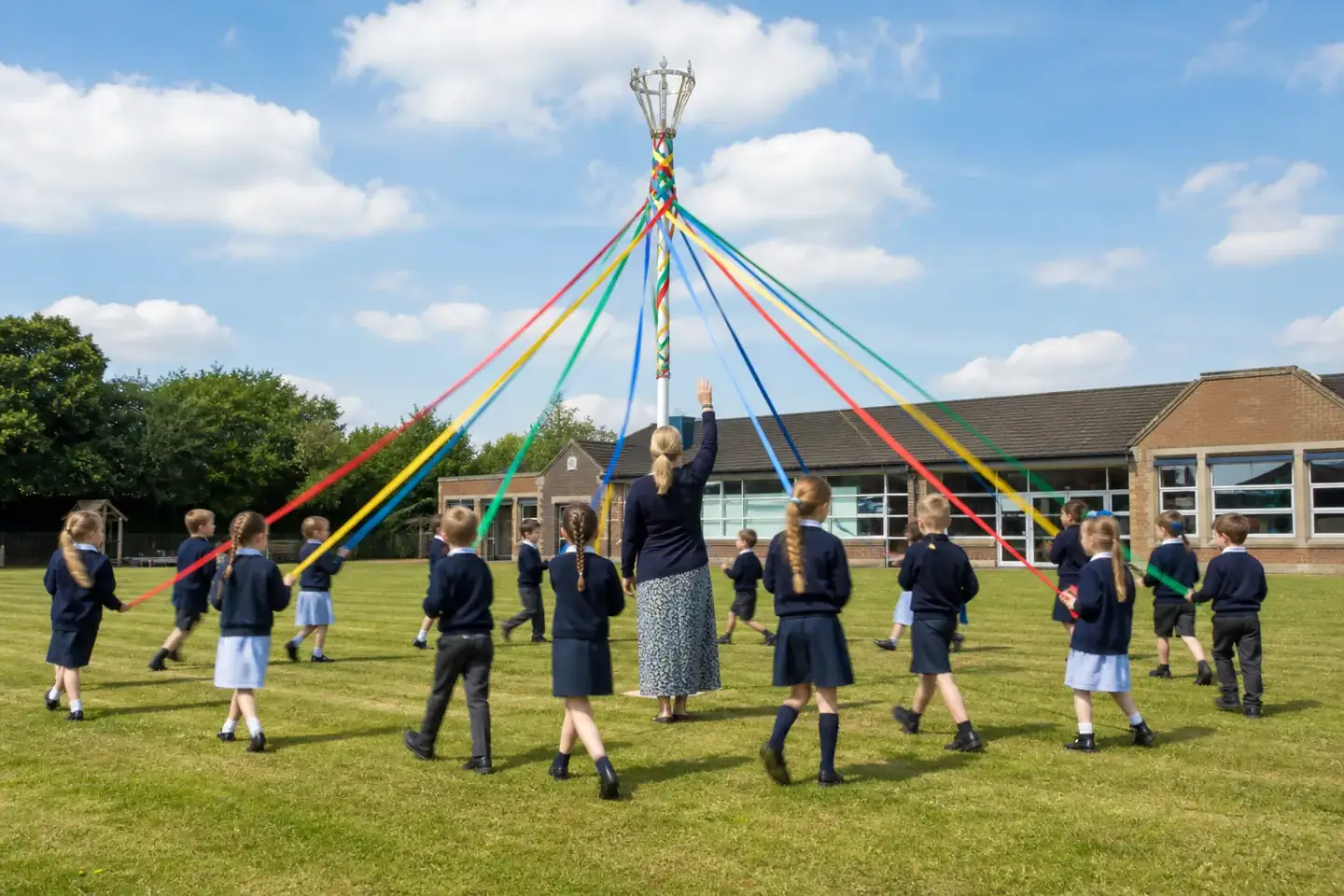 45–60 minutes per classMaypole DanceRibbons, weaving patterns and lively folk music.See the session
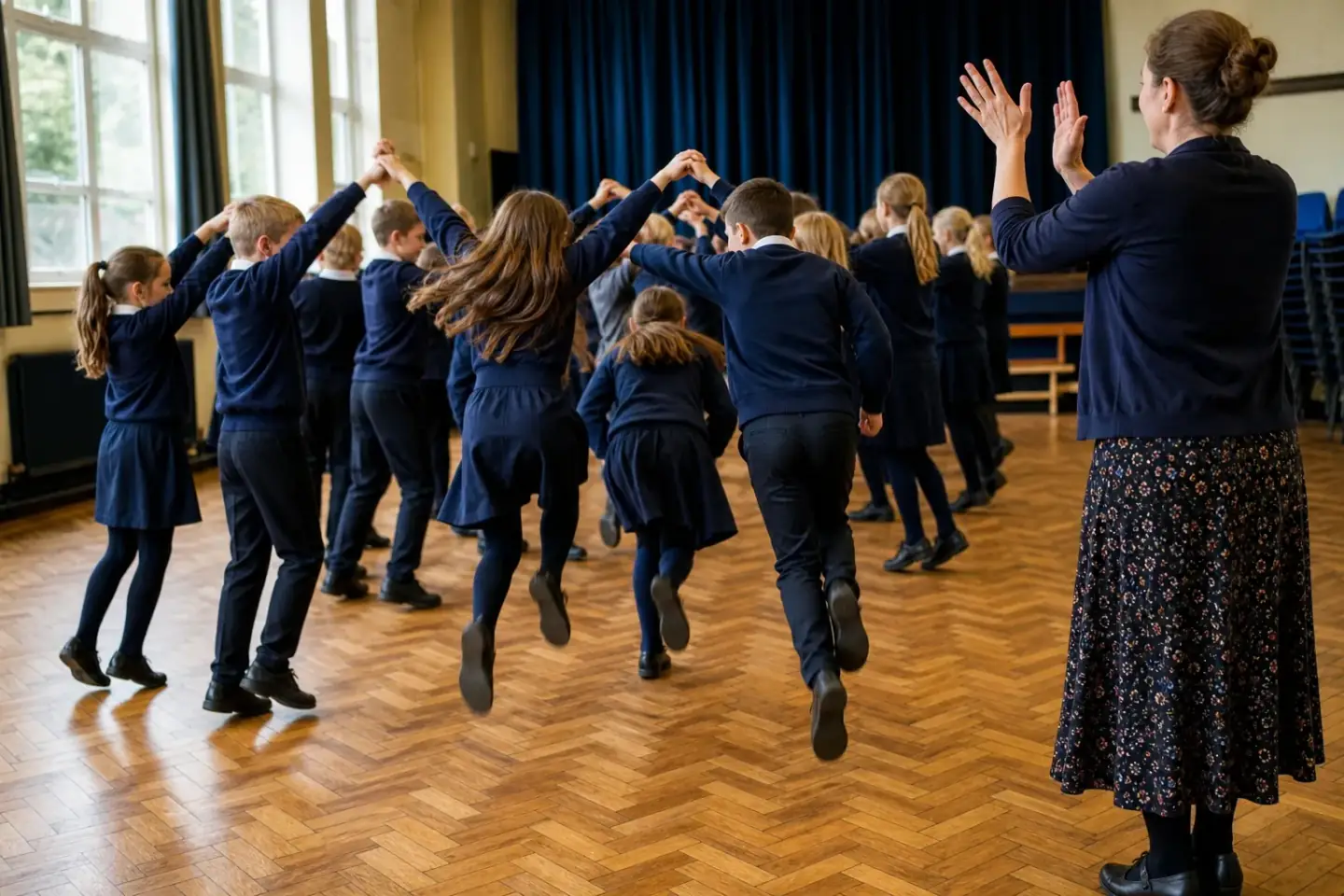 45–60 minutes per classIrish DanceOur Irish dance workshop brings the rhythm, footwork and heritage of Irish dance into your school.See the session
 60 minutes per classAncient Egypt in VRCairo and the pyramids, pharaohs and gods, mummification and the Book of the Dead.See the session
 60 minutes per classAncient Greece in VRThe Greek gods and the origins of the Olympics.See the session
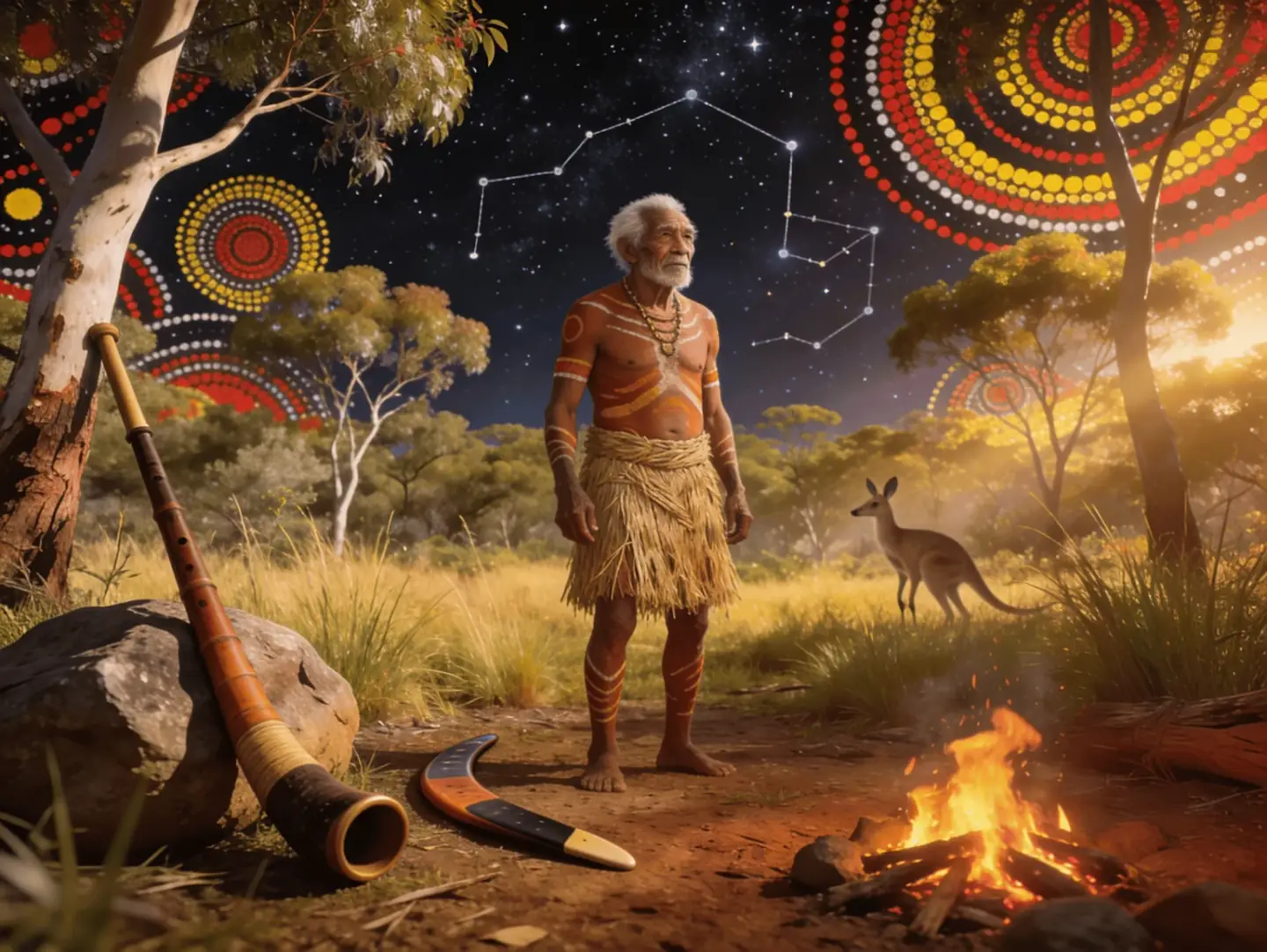 60 minutes per classIndigenous Australia in VRReal dances filmed in Far North Queensland, Australia.See the session
Hieroglyphic cartouches allow students to write their names like ancient Egyptian royalty.
Tell us the date you have in mind and we'll come back within one working day with options for your school.